

As a gardener, you know that top-notch substrate materials can cost a lot. A big part of gardening expenses comes from the substrate. But, you don’t have to spend a lot to keep your garden healthy.
I’ll look into affordable substrate materials to help you garden without spending too much. By knowing about cheap substrate options, you can make smart choices for your garden.
Key Takeaways
- Understanding the importance of substrate materials in gardening
- Exploring affordable substrate options for your garden
- Learning how to choose the right substrate for your plants
- Discovering the benefits of using affordable substrate materials
- Tips for maintaining a healthy garden on a budget
What is a Garden Substrate?
A garden substrate, or growing medium, is the base for healthy plants. It provides nutrients, water, and support for roots. Knowing about garden substrates is key to a thriving garden.
Definition and Importance
A garden substrate supports plant growth. It can be organic or inorganic. Choosing the right one is vital for plant health and garden success.
As gardening expert Jeff Cox said, “The soil is the stomach of the plant; it’s where the nutrients are stored and made available to the plant.” This shows how important a garden substrate is for plant health.
Different Types of Substrates
Substrates are divided into organic and inorganic types. Organic substrates come from natural sources like peat moss and compost. Inorganic substrates are processed, such as vermiculite and perlite.
| Substrate Type | Characteristics | Examples |
|---|---|---|
| Organic | Derived from natural sources, high water-holding capacity | Peat Moss, Coconut Coir |
| Inorganic | Processed or manufactured, improves drainage | Vermiculite, Perlite |
When picking a substrate, think about cost, availability, and plant needs. For a budget, budget-friendly base materials like peat moss and coconut coir are great. For better drainage, low-cost substrate alternatives like vermiculite and perlite are good choices.
Why Choose Affordable Substrate Options?
Choosing economical substrate solutions can save you money. This means you can spend more on other important gardening needs. Gardening on a budget doesn’t mean you have to sacrifice quality.
Opting for affordable substrates can make gardening more budget-friendly. You can use the saved money for other gardening essentials. This includes fertilizers, pest control, and irrigation systems.
Cost-Effective Gardening
Cost-effective gardening is all about getting the most out of your garden without spending too much. Affordable substrates help you achieve this goal. For example, using local or recycled materials can cut down costs.
Here’s a comparison of different substrate options and their costs:
| Substrate Type | Cost per Unit | Environmental Impact |
|---|---|---|
| Peat Moss | $3.50 | High |
| Coconut Coir | $2.75 | Low |
| Vermiculite | $4.00 | Medium |
Coconut coir is both affordable and better for the environment than peat moss.
Environmental Benefits
Choosing affordable substrates also has environmental perks. Many are made from recycled or sustainable materials. This reduces waste and the carbon footprint of gardening.
Using coconut coir or rice hulls instead of peat moss helps protect sensitive ecosystems. This choice supports sustainable gardening.
In conclusion, picking affordable substrate options is smart for your wallet and the planet. By choosing cost-effective and eco-friendly substrates, you can have a healthy garden. Plus, you’ll be supporting sustainable gardening practices.
Types of Cheap Substrate Options
For gardeners on a budget, there are many cheap substrate options. These substrates not only save money but also help plants grow well.
Let’s look at some common affordable substrates:
Peat Moss
Peat moss is a favorite among gardeners. It holds water well, so you don’t have to water as often. But, it can make the soil too acidic, so watch the pH levels.
Coconut Coir
Coconut coir is another budget-friendly option. It’s good for the environment and helps the soil breathe better. It’s a great choice if you want to be kinder to the planet.
Vermiculite
Vermiculite is a mineral that gets bigger when heated. It makes the soil lighter and better for plants. It’s great for young plants because it helps their roots grow strong.
Perlite
Perlite is made from volcanic glass. It’s light and helps water drain well. It’s perfect for plants that don’t like wet soil, like cacti.
When picking a cheap substrate, think about what your plants need. Some substrates work better for certain plants. Do your research to find the best one for your garden.
- Peat Moss: Excellent for water retention, but may require pH monitoring.
- Coconut Coir: Eco-friendly, improves soil aeration.
- Vermiculite: Enhances soil structure, promotes healthy root development.
- Perlite: Improves soil drainage, prevents compaction.
Choosing the right affordable substrate can help your garden thrive without costing a lot.
How to Select the Right Substrate
To make your garden thrive, choosing the right substrate is key. You need to think about what your plants need. Finding a budget-friendly base material that fits these needs is vital for your garden’s health.
Consider What You Are Growing
Each plant has its own needs for the soil. For example, orchids and succulents need soil that drains well. On the other hand, vegetables and flowers might do better in soil that’s rich in nutrients.
When picking a substrate, think about how it will handle moisture, air, and nutrients. For plants that like dry soil, a substrate with good drainage like perlite or vermiculite is a good choice.
Analyze Soil Quality Needs
Understanding your soil’s current state is the first step. You should test its pH level and nutrient content. This will help you pick a substrate that matches your soil’s needs.
If your soil is heavy clay or sandy, adding organic matter like peat moss or coconut coir can help. This will improve your soil’s structure and fertility. By choosing the right substrate and making the necessary soil amendments, you can create a better growing space for your plants.
By carefully thinking about what you’re growing and analyzing your soil, you can make a smart choice. This will help you find a budget-friendly base material for your garden.
DIY Substrate Blends for Cost Savings
Making your own DIY substrate blends can save you money without losing quality. You can mix different materials to meet your plants’ needs. This ensures they get the best start in life.
Simple Recipes for Mixes
Mixing peat moss, vermiculite, and perlite in equal parts is simple. This mix balances water, air, and drainage well. It works for many plants.
For specific plants, like seedlings, add more coconut coir. It keeps moisture in, so you water less often.
“The key to a successful DIY substrate blend is understanding the needs of your plants and adjusting the mix.”
Here’s a basic recipe to start with:
| Component | Proportion | Benefit |
|---|---|---|
| Peat Moss | 30% | Water Retention |
| Coconut Coir | 30% | Aeration and Drainage |
| Vermiculite | 20% | Nutrient Retention |
| Perlite | 20% | Improved Drainage |
Benefits of Custom Blends
DIY substrate blends save money and meet your plants’ needs. You can improve soil structure and nutrient availability. This helps roots grow strong and healthy.
For more tips on organic seedling mixes, check out this resource.
By making your own substrate blends, you save money and learn about your plants. This leads to a more successful garden.
Where to Buy Affordable Substrates
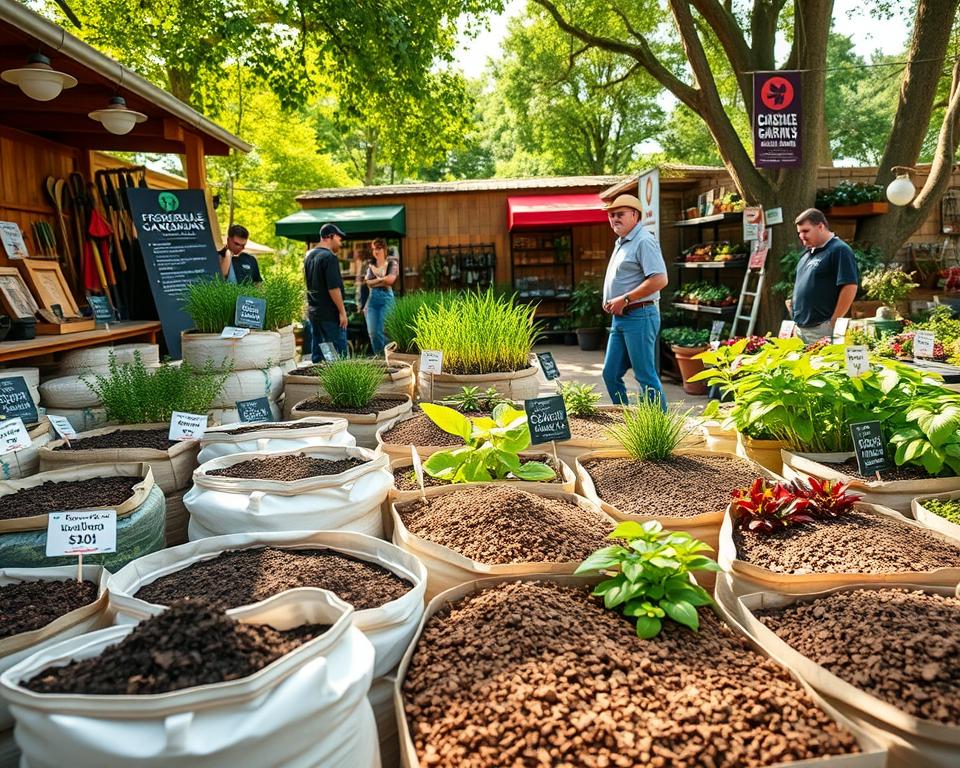
Gardeners have many places to find cheap substrates. You can look online or in stores.
Local Gardening Stores
Local gardening stores are a good place to start. They have many substrates and helpful staff.
Shopping locally lets you see the product first. You also get help right away.
Online Retailers
Online stores are also great for finding cheap substrates. They have good prices and reviews.
When you shop online, read the reviews and check the seller ratings. This helps you buy quality products.
Bulk Purchasing Options
Buying in bulk is smart for big projects or frequent use. Many stores give discounts for big orders.
Before buying, figure out how much you need. Also, think about where to store it to keep it fresh.
Pros and Cons of Cheap Substrates
When you’re gardening on a budget, knowing the good and bad of cheap substrates is key. I’ve found that affordable substrates can greatly affect your garden’s health and output.
Advantages
One big plus of cheap substrates is their cost-effectiveness. They let you spend more on other gardening needs. The main benefits are:
- Lower gardening costs
- More people can start gardening
- They can improve soil structure if used right
Gardening expert,
“Using the right substrate can make all the difference in your garden’s success.”
This shows how important it is to pick the right substrate for your garden.
Disadvantages
Even with their benefits, cheap substrates have downsides. Some issues are:
- Potential for lower quality and consistency
- Less nutrients
- May have contaminants or weed seeds
Knowing these problems helps you make better choices for your garden.
Long-term Effects
The long-term effects of cheap substrates depend on several things. This includes the type of substrate and how you garden. Some substrates may degrade, harming soil structure and fertility. Remember, “A good substrate is the foundation of a healthy garden.” It’s important to think about the long-term to keep your garden thriving.
In summary, while cheap substrates are good for budget gardeners, it’s important to weigh their pros and cons. By understanding both sides, gardeners can make choices that help their garden stay healthy and productive over time.
Tips for Maximizing Substrate Efficiency
To get the most out of your garden substrate, keeping it maintained and amended is key. A few simple steps can boost your substrate’s performance and help your plants thrive.
Regular Maintenance
Keeping your substrate in top shape is vital. This means:
- Watching moisture levels to avoid too much or too little water
- Checking pH levels often to keep them right for your plants
- Adding nutrients when needed to keep the soil rich
By doing these tasks, you can dodge problems that hurt your substrate’s efficiency.
Using Amendments
Amendments are great for making your substrate better. Some good ones are:
- Organic stuff like compost or manure, which makes soil better and more fertile
- Fertilizers, which give plants the nutrients they need to grow
- Materials like perlite or vermiculite, which help with drainage and air
When adding amendments, pick ones that work well with your substrate and plants.
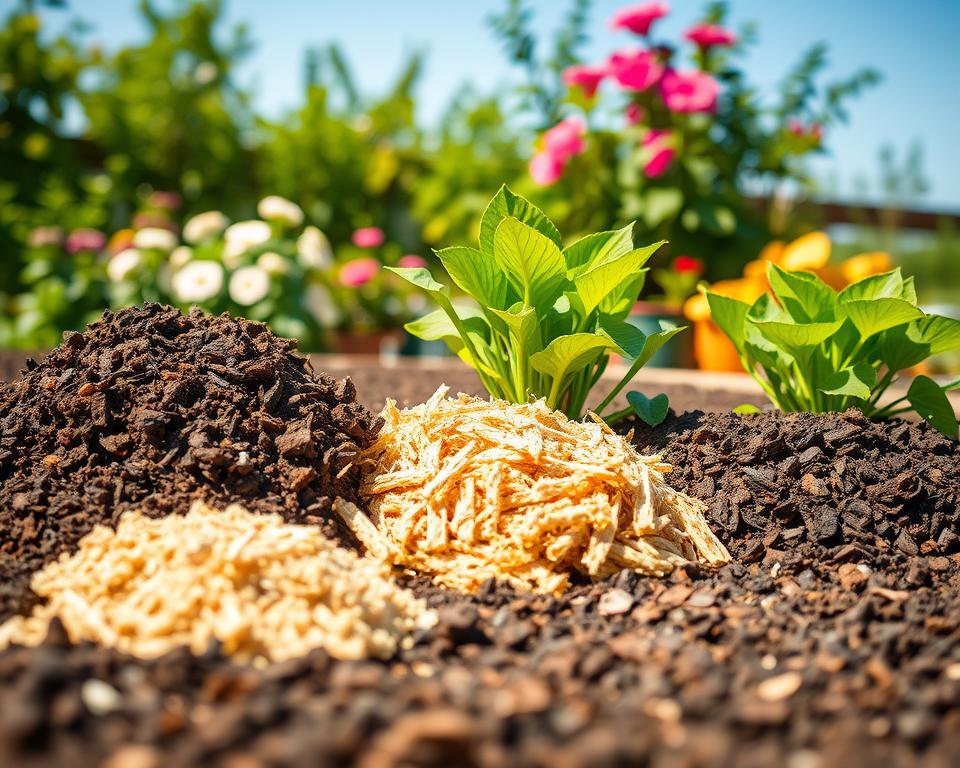
By keeping up with maintenance and using the right amendments, you can make your substrate work its best. This will lead to a healthier, more productive garden.
Conclusion: The Best Budget-Friendly Choices
Creating a thriving garden on a budget is achievable. By picking the right affordable substrate options, you can do it. Consider the type of plants you’re growing and the soil quality they need. This way, you can choose from various budget-friendly base materials that support healthy plant growth.
Affordable Options
Some of the most effective low-cost substrate alternatives include peat moss, coconut coir, vermiculite, and perlite. These materials offer benefits like improved drainage and increased water retention. They do this without costing a lot of money.
Achieving Garden Success
To make the most of your garden, think about mixing your own substrate. Using affordable materials like these can save you money. It also lets you tailor your substrate to your plants’ specific needs. By choosing the right budget-friendly base materials and following simple gardening practices, you can have a lush, thriving garden without spending too much.