

Did you know that noisy equipment is a big disturbance in homes? Switching to Silent Air Pumps can make a huge difference. It brings a quieter and more comfortable living space.
When thinking about upgrading home equipment, a quiet home is key. Silent Air Pumps are made to be quiet but work well. They’re a great choice for anyone wanting a peaceful home.
Choosing these pumps means a quieter home. In this article, we’ll look at the benefits and uses of Silent Air Pumps. This will help you decide if they’re right for your home.
Key Takeaways
- Silent Air Pumps reduce noise disturbance in homes.
- They maintain efficiency while minimizing noise.
- Upgrading can lead to a more comfortable living space.
- These pumps are designed for homeowners seeking peace.
- They offer a serene home atmosphere.
What Are Silent Air Pumps?
Exploring air pumps, I found Silent Air Pumps. They offer airflow for many uses but make less noise.
Understanding Air Pumps
Air pumps draw in and push out air. They’re used in aquariums, industries, and medical fields. Their main job is to add oxygen or create pressure.
Types of Air Pumps
There are many air pump types for different needs. Here are a few:
- Diaphragm air pumps are durable and efficient.
- Piston air pumps work well in industries because of their high pressure.
- Linear air pumps are small, energy-saving, and great for homes.
Advantages of Silent Air Pumps
Silent Air Pumps have big pluses over regular air pumps. They’re perfect for places where noise is a problem. Here’s why:
- They make less noise, which is great for homes or quiet areas.
- They’re more comfortable to use because they’re quieter, making spaces feel better.
- They use less energy but work just as well, saving power.
Learning about air pumps and Silent Air Pumps shows why they’re popular. They’re a top pick for those needing a low noise air compressor.
Benefits of Using Silent Air Pumps
Switching to Silent Air Pumps can make your indoor space better. They offer many benefits that boost comfort and efficiency. These pumps are perfect for both home aquariums and hydroponic systems, providing quiet and reliable service.
Noise Reduction
Silent Air Pumps are great because they cut down on noise. Old air pumps can be very loud, ruining the calm you’re trying to keep. On the other hand, silent fish tank air pumps are much quieter, making them great for indoor use.
Improved Comfort for Indoor Spaces
Silent Air Pumps reduce noise, making your indoor spaces more comfortable. This is super helpful for homes, offices, or any place you want to be quiet. The quieter environment lets you relax or concentrate better, without any noise bothering you.
Energy Efficiency
These pumps are also good for saving energy. Many, like the noiseless air pump for hydroponics, use less power but work just as well. This cuts down your energy costs and helps the planet too.
In summary, Silent Air Pumps are a smart choice for anyone wanting a better indoor space. They help keep your environment peaceful and eco-friendly.
Ideal Applications for Silent Air Pumps
Silent air pumps are great for many uses, from homes to big industrial places. They work well without making much noise. This makes them perfect for different settings.
Home Use
They’re great for homes, mainly for ponds and aquariums. They add air without making a racket. This lets homeowners keep their homes quiet while taking care of their water life.
Aquariums
In aquariums, these pumps are key for keeping water clean. They move water and add oxygen, which fish and other sea creatures need. Their quietness keeps the aquarium calm.
Medical Equipment
They’re also used in medical gear where quiet is important. They’re in devices for breathing and other medical tools. This helps patients feel more at ease.
Industry Applications
In big places like factories, they help with air systems and control. Their quietness cuts down on noise. This makes work places better for everyone.
| Application | Benefits |
|---|---|
| Home Use | Provides aeration for ponds and aquariums without noise |
| Aquariums | Maintains water quality and increases oxygen levels |
| Medical Equipment | Ensures quiet operation for patient comfort |
| Industry Applications | Reduces noise pollution and improves working environment |
How to Choose the Right Silent Air Pump
Finding the best quiet air pump can seem hard, but it’s easier with the right tips. There are many choices out there. It’s key to think about a few important things to make a smart choice.
Key Features to Consider
When picking a silent air pump, look at a few key features. These include how quiet it is, how much air it moves, and how much power it uses. A good pump should be very quiet, usually under 30 dB.
The pump’s airflow is also vital. It shows how well it can move air. Think about what you need it for, like an aquarium or home use. The power it uses is also important for saving energy.
Comparing Brands
It’s important to compare different brands to find the best air pump. Look at well-known brands like EcoPlus, Tetra, and Fluval. They often have detailed info and reviews to help you decide.
As “The right silent air pump can make a significant difference in your home or business environment.” Take time to read reviews and compare features of different models.
Budget Considerations
How much you want to spend is a big factor in choosing a silent air pump. Set a budget before you start looking. Remember, cheaper options might not always be the best value.
“Investing in a high-quality silent air pump may seem more expensive upfront, but it can lead to long-term savings through reduced energy consumption and less frequent replacements.”
When deciding between budget and quality, think about the long-term savings. A high-quality pump might cost more at first, but it can save you money in the long run.
Installation Tips for Silent Air Pumps
To get the most out of your ultra quiet air pump for fish tank or other applications, proper installation is key. A well-installed silent air pump ensures efficient operation and longevity.
DIY Installation
Installing a silent air pump yourself can be a cost-effective and rewarding experience. Here are some steps to follow:
- Read the manufacturer’s instructions carefully before starting the installation.
- Ensure the area around the pump is clear of clutter and moisture.
- Connect the pump to the appropriate power source, following safety guidelines.
- Test the pump after installation to ensure it’s working correctly and quietly.
Remember, safety first: Always unplug the pump before performing any maintenance or adjustments.
Professional Installation Services
If you’re not comfortable with DIY installation or if the setup is complex, consider hiring professional installation services. Professionals can ensure that your silent air pump is installed correctly and efficiently.
The benefits of professional installation include:
- Expert knowledge of the installation process.
- Minimized risk of damage to the pump or surrounding area.
- Warranty compliance, as some manufacturers require professional installation to honor the warranty.
Maintenance Tips
Regular maintenance is key to extend the life of your silent air pump. It keeps it quietly and efficiently running. Here are some maintenance tips:
- Regularly clean the pump and its surroundings to prevent dust buildup.
- Check for worn-out parts and replace them as needed.
- Ensure all connections are secure and not leaking.
By following these installation and maintenance tips, you can enjoy the benefits of your ultra quiet air pump for fish tank or other applications for years to come.
Popular Brands of Silent Air Pumps
Several brands are known for their quality Silent Air Pumps. You might want a pump that’s quiet and works well. Let’s look at top brands like EcoPlus, Tetra, and Fluval.
EcoPlus
EcoPlus is famous in the air pump world. Their Silent Air Pumps save energy and are quiet. They have adjustable airflow, last long, and are easy to place.
EcoPlus air pumps are reliable and last a long time. They’re good for homes and businesses.
Tetra
Tetra is known for its Silent Air Pumps for aquariums and hydroponics. Tetra’s air pumps are quiet and built to last. They also have accessories to go with their pumps.
Fluval
Fluval is a trusted name in aquariums. Their Silent Air Pumps are reliable and quiet. They’re perfect for home aquariums and other quiet places.
| Brand | Key Features | Applications |
|---|---|---|
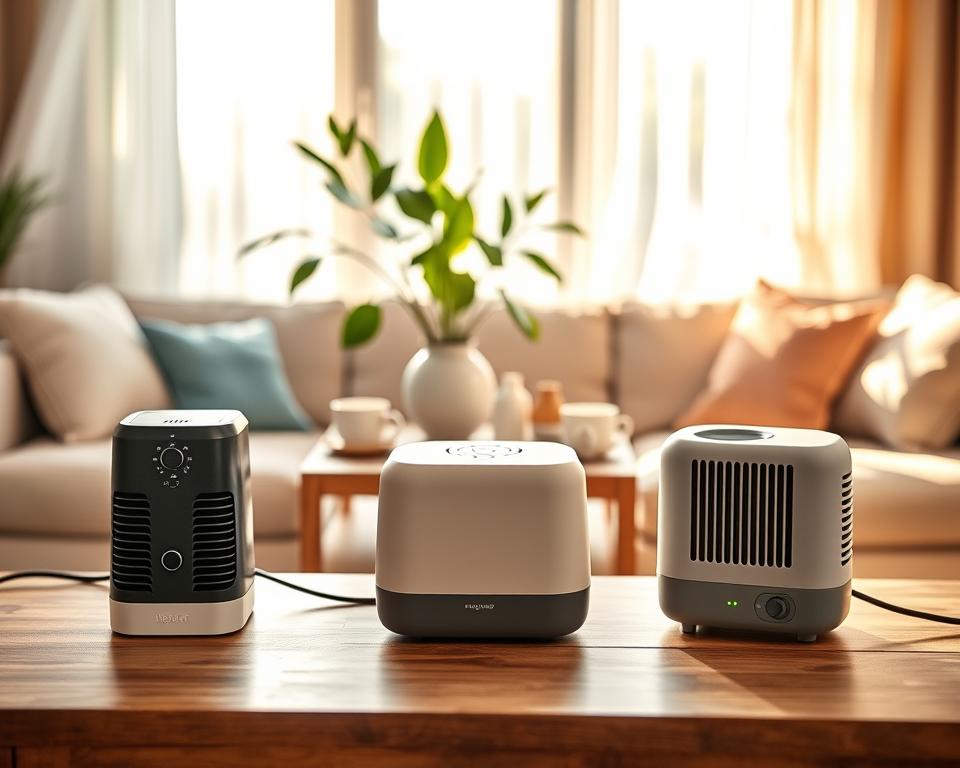
| EcoPlus | Adjustable airflow, energy-efficient, compact design | Aquariums, home use, commercial use |
| Tetra | Quiet operation, robust build, range of accessories | Aquariums, hydroponics |
| Fluval | Reliable operation, quiet, suitable for sensitive environments | Aquariums, home use |
Looking at these brands can help you choose the right Silent Air Pump. It should fit your needs well.
Customer Reviews and Experiences
Customer feedback is key to knowing how Silent Air Pumps really work. I’ve looked at many reviews and found that what people say gives a full picture of these products.
Positive Feedback
Many people love Silent Air Pumps for being quiet and reliable. For example, a user on a forum about aquarium gear said it made their tank quieter.
Reliability and efficiency are big pluses in reviews. Users like that these pumps work well without the usual noise of other air pumps.
Common Concerns
Even with lots of good feedback, some users have worries. They mention needing time to get used to it and occasional upkeep. Some say it doesn’t work as well if not cleaned right or if the wrong size is picked.
To avoid these problems, it’s smart to follow the maker’s setup and care tips. Regular checks help keep the pump running smoothly.
Before and After Comparisons
Seeing the difference before and after using Silent Air Pumps is really telling. People who moved from loud pumps to Silent Air Pumps say it’s much quieter and more comfy.
“The difference is night and day. My living room used to be filled with the constant hum of my old air pump, but after switching to a Silent Air Pump, it’s like a different space. It’s so much quieter and more relaxing.” – A happy customer
Switching to a Silent Air Pump means a quieter place, whether it’s your home, aquarium, or something else.
Troubleshooting Silent Air Pumps
Learning how to fix common problems with your silent air pump can save you time and money. These pumps are made to be quiet and reliable. But, like any device, they can sometimes have issues.
Common Issues
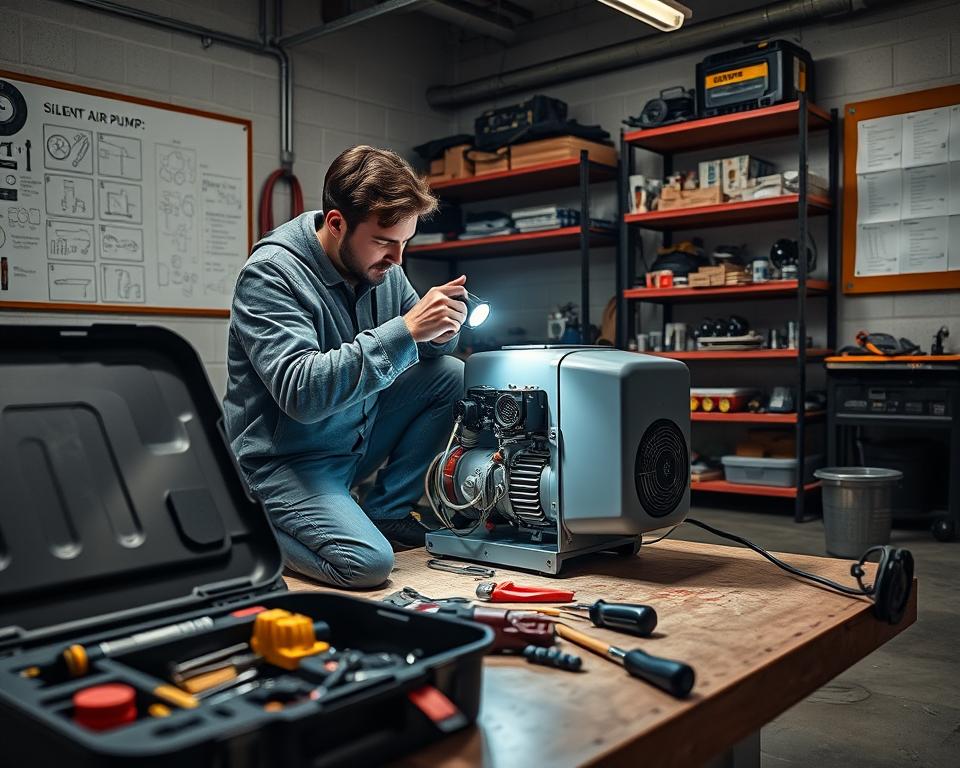
Some common problems include less airflow, more noise, and the pump not working at all. Less airflow might be due to a dirty air filter or a blockage in the tubing. More noise could mean a motor problem or something loose.
Complete failure might be caused by electrical issues or worn-out parts.
How to Resolve Problems
To fix issues, first check the air filter and clean or replace it if needed. Look for blockages or kinks in the tubing and make sure all connections are tight. If the pump is too loud, look for loose parts and tighten them.
For electrical problems, follow the user manual or call a professional.
For more detailed guides, check out this article on fixing aquarium air pumps.
When to Seek Professional Help
If you’ve tried to fix it and your silent air pump is not working, it’s time to get help from a pro. You might need professional help if the pump is very noisy, airflow is not improving after cleaning, or if it completely stops working.
| Issue | Troubleshooting Step | Professional Help Needed |
|---|---|---|
| Reduced Airflow | Check and clean air filter, inspect tubing | No, unless issue persists |
| Increased Noise | Tighten loose parts, check motor | Yes, if noise continues |
| Complete Failure | Check electrical connections, refer to user manual | Yes |
Future Trends in Silent Air Pump Technology
The tech behind Silent Air Pumps is getting better fast. This is because more people want quiet and efficient tools. So, we’ll see big changes soon.
Emerging Innovations
New ideas and materials are coming up to make things quieter and work better. For example, silent air pumps are now used in aquariums and ponds. This makes a peaceful space for both the equipment and the area around it.
Eco-Friendly Designs
There’s a big push for designs that are good for the planet. Makers are working on noiseless air pumps for hydroponics and other uses. These pumps don’t just make less noise; they also use less energy.
Growing Adoption
More people are starting to see the value of Silent Air Pumps. We’ll see them used in more places, like aquariums, medical gear, and more. The quietest air pumps for fish tanks will become even more popular.