


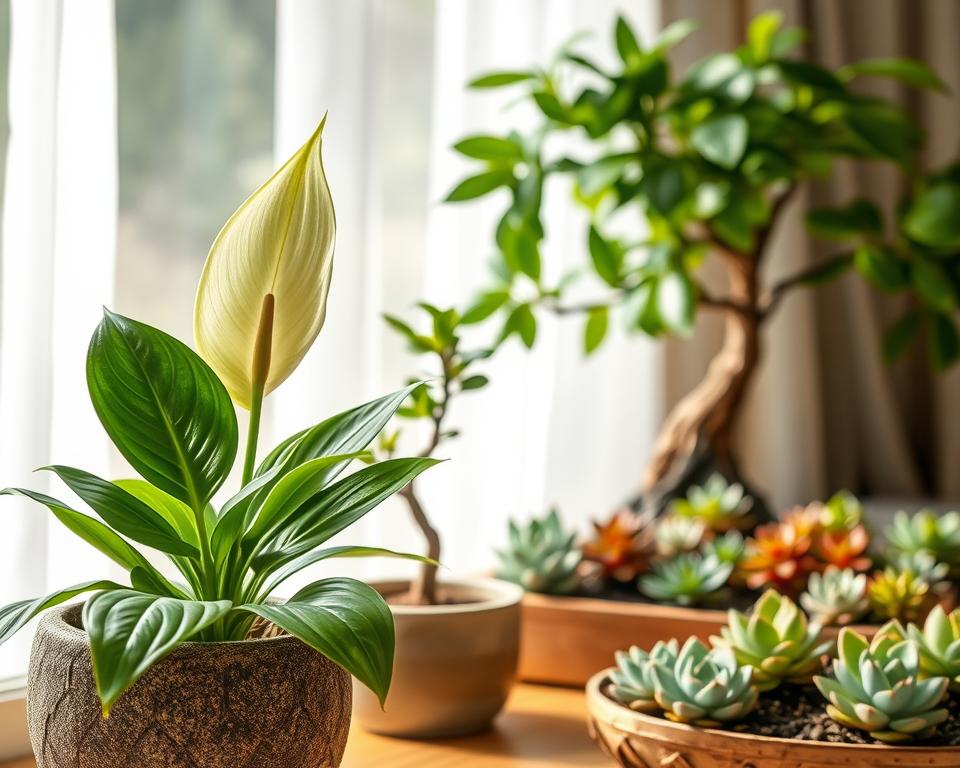
Did you know indoor plants can make you happier and more productive by up to 15%? Slow growing indoor plants are perfect for those who want to beautify their home without a lot of work. These plants clean the air and make any room feel peaceful.
I love having nature indoors, and low maintenance slow growing plants are great for anyone. They create a calm spot in a busy life.
Key Takeaways
- Slow Growth Plants improve indoor air quality.
- They are ideal for busy individuals or beginners.
- These plants add a calming element to your home.
- Low maintenance is a key benefit.
- They can boost mood and productivity.
What Are Slow Growth Plants?
Slow growth plants add a calm touch to any home. They need less care than fast-growing plants. These plants grow slowly, making them great for those who enjoy a relaxed gardening pace.
Definition of Slow Growth Plants
Slow growth plants grow at a slower pace. They often need less pruning and care. They’re perfect for people who are busy or new to gardening. They’re forgiving and easy to look after.
Characteristics of Slow Growth Plants
Slow growth plants grow slowly. They need less water and respond well to fertilization. Some common traits include:
- Less frequent watering requirements
- Reduced need for pruning
- A more relaxed response to fertilization
To understand slow growth plants better, let’s look at a comparison table. It shows some popular varieties:
| Plant Variety | Watering Needs | Pruning Requirements | Fertilization Response |
|---|---|---|---|
| Snake Plant | Low | Minimal | Relaxed |
| ZZ Plant | Very Low | None | Slow |
| Pothos | Moderate | Occasional | Positive |
Understanding slow growth plants helps you see their benefits. This knowledge helps you make better choices for your garden.
Benefits of Choosing Slow Growth Plants
Slow growth plants are more than just pretty additions to your home. They also bring practical benefits. By adding these plants, you can improve your home’s feel and your health.
Low Maintenance Care
One big plus of slow growth plants is how easy they are to care for. They are forgiving if you forget to water them from time to time. This makes them great for people who are always busy or new to taking care of plants. They need less water and pruning, so you can enjoy plants without the stress of constant care.

Air Quality Improvement
Slow growth plants also help improve air quality. They clean the air and remove toxins, making your home healthier. This natural cleaning can help reduce pollutants in the air, making your home cleaner and healthier.
Aesthetic Appeal
Slow growth plants are also beautiful. They come in many shapes, sizes, and textures. This lets you add natural beauty to your home decor. Whether you like the sleek look of a snake plant or the lush vines of a pothos, there’s a plant for you.
Choosing slow growth plants brings many benefits. They are easy to care for, improve air quality, and add beauty to your home. It’s no surprise they’re a favorite among homeowners who want to bring nature indoors.
Popular Slow Growth Indoor Plants
Slow growth indoor plants are loved by many because they do well in different conditions. They are great for homes because they look good and clean the air. Plus, they add beauty to any room.
Snake Plant (Sansevieria)
The Snake Plant, or Sansevieria, is a top pick for homes. It has long, sword-shaped leaves and cleans the air. It’s easy to care for and does well in little light, perfect for dark rooms.
ZZ Plant (Zamioculcas zamiifolia)
The ZZ Plant is known for needing little water and having shiny leaves. It’s perfect for people who don’t have time to care for plants or are new to it. It also handles different light levels well.
Pothos (Epipremnum aureum)
Pothos is a versatile and pretty plant for indoors. It has long vines and heart-shaped leaves that can climb or cascade. It’s good at cleaning the air and works in many light conditions.
Here’s a comparison of the three popular slow growth indoor plants:
| Plant | Lighting Needs | Watering Needs | Air Purification |
|---|---|---|---|
| Snake Plant | Low to Bright Light | Infrequent Watering | High |
| ZZ Plant | Low to Medium Light | Very Infrequent Watering | Medium |
| Pothos | Low to Bright Light | Moderate Watering | High |
These plants are not just pretty; they also make your home better. They’re great for anyone, whether you’re new to plants or have been caring for them for years. They bring peace and beauty to your space.
Ideal Conditions for Slow Growth Plants
To keep slow growth plants thriving, it’s key to know their ideal conditions. These plants need specific care to flourish, even though they’re easy to care for.
Lighting is a critical factor for these plants. Some need low light, while others prefer bright, indirect light. For example, plants that thrive in low light like the Snake Plant and ZZ Plant are great for dark rooms.
Lighting Requirements
Slow growth plants generally prefer bright, indirect light. Direct sunlight can be too harsh and may burn their leaves. For instance, a Pothos does best in bright, indirect light.
Gardening experts say most houseplants like bright, indirect light. This can be achieved by placing them near an east- or west-facing window. Environmental factors like lighting are key to plant growth.
Watering Guidelines
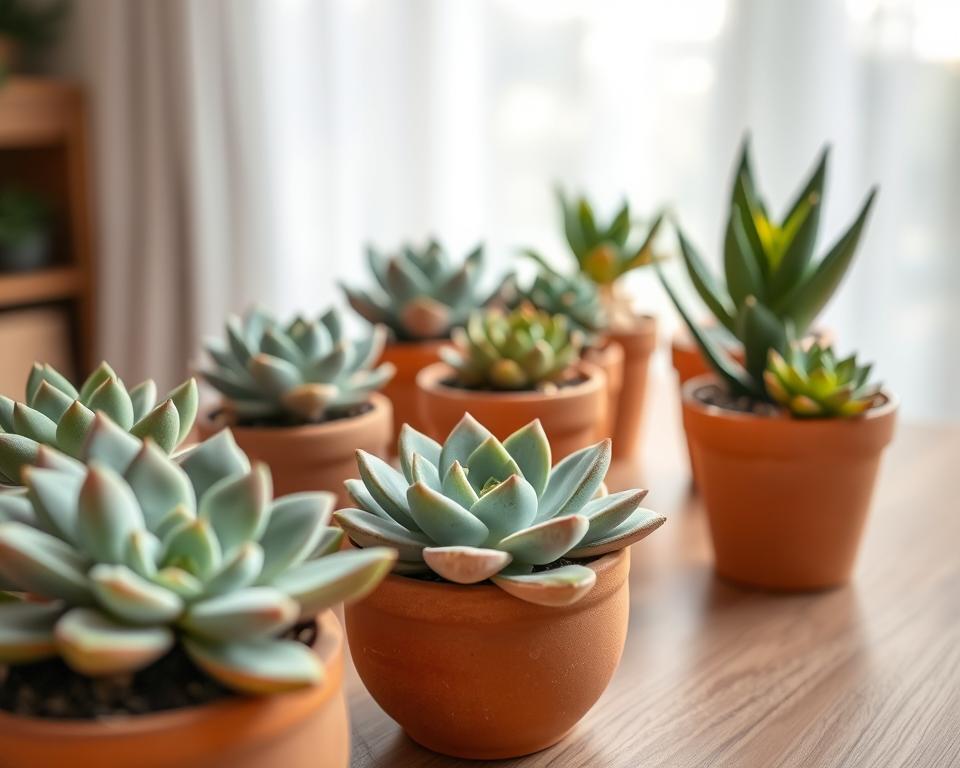
Watering is also vital for slow growth plants. Overwatering can cause root rot and other problems. Slow growing succulent plants, for example, need less water and should be watered sparingly.
Check the soil moisture by inserting a finger into the soil up to the first knuckle. If it’s dry, it’s time to water. Use well-draining soil to avoid waterlogged conditions.
Slow growth plants prefer to be slightly dry than overwatered. Adjust your watering schedule to meet their needs to avoid common problems.
“The key to successful houseplant care is understanding the specific needs of your plants, including their watering requirements.”
How to Care for Slow Growth Plants
To keep your slow growth plants thriving, it’s essential to understand their specific care needs. Caring for these plants involves several key considerations. This ensures they remain healthy and continue to grow at their own pace.
Potting and Soil Choices
When potting slow growth plants, selecting the right container is key. Choose a pot that is well-draining and has enough space for the roots to grow. A pot that is too small can cause the soil to become waterlogged, leading to root rot.
A pot that is too large can cause the soil to dry out too slowly, potentially harming the plant. The soil used for slow growth plants should be a high-quality potting mix. It should retain moisture but also drain excess water.
Fertilizing Tips
Fertilizing slow growth plants requires a gentle approach. They don’t require a lot of nutrients. A balanced, water-soluble fertilizer used at half the recommended strength can be applied during the growing season to promote healthy growth.
It’s essential to avoid over-fertilizing, as this can cause more harm than good. I recommend fertilizing your slow growth plants during the spring and summer months when they are most active. During the fall and winter, when the plants are dormant, it’s best to skip fertilizing altogether or reduce the frequency to once a quarter.
By following these care guidelines, you can help your slow growth plants thrive. Enjoy their peaceful presence in your home for years to come.
Creating a Relaxing Space with Slow Growth Plants
Adding slow growth plants to your home can make it a peaceful haven. These plants have a calming effect that can change your space for the better.
Slow growth plants bring peace and calm to any room. By choosing and placing them wisely, you can make a space that feels good and helps you relax.
Plant Placement for Serenity
Where you put slow growth plants matters a lot. Place them in rooms you use a lot, like the living room or bedroom. For example, a snake plant by your bed or a ZZ plant on your coffee table can make these areas feel calmer.
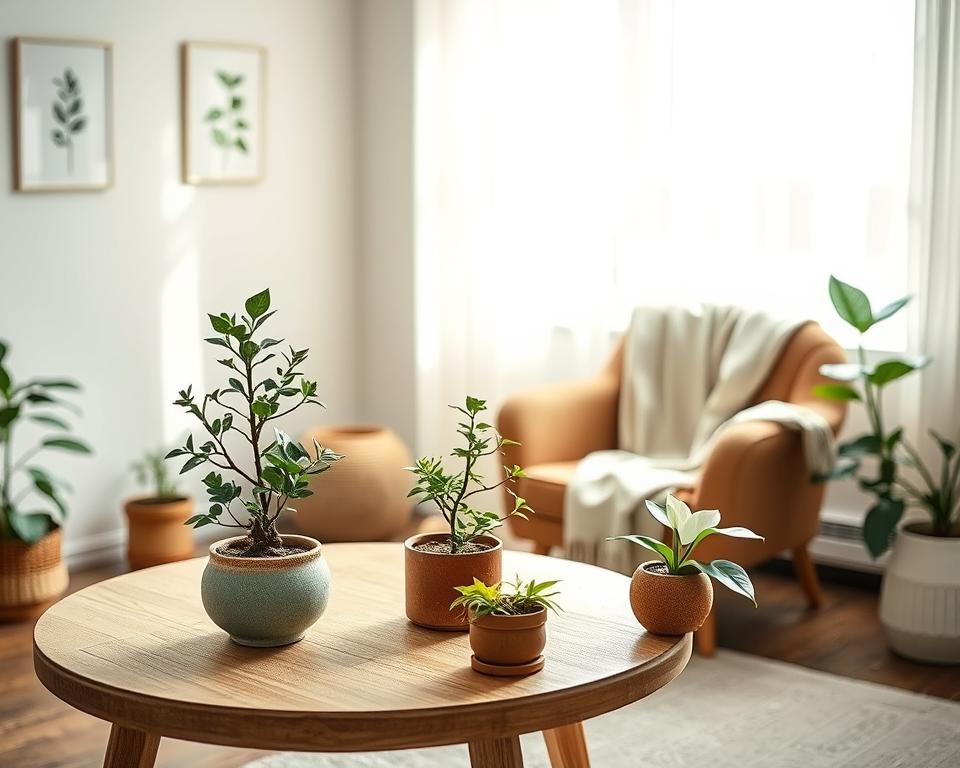
Interior design experts say balance is key for a peaceful space. Slow growth plants are perfect because they look good and serve a purpose, making your home more beautiful.
Combining Different Species
Mixing different slow growth plants can make your space more interesting. By combining different looks and sizes, you can create a display that’s both beautiful and calming. For instance, a tall snake plant next to a round ZZ plant can look great together.
“The art of combining plants is not just about aesthetics; it’s also about creating a harmonious environment that fosters well-being.”
By adding slow growth plants to your decor and thinking about where and how to place them, you can make a space that’s peaceful and good for your health.
Slow Growth Plants for Beginners
Slow growth plants are great for beginners. They are tough and can grow well in many conditions. These plants are perfect for those new to indoor gardening. They offer the joy of plants without the need for constant care.
Low-Care Options
Choosing low-care plants is key when starting out. The Snake Plant, ZZ Plant, and Pothos are excellent choices. They are not only beautiful but also can handle if you forget to water them sometimes.
- Snake Plant: This plant purifies the air and can live in low light.
- ZZ Plant: The ZZ Plant is easy to care for and can go without water often.
- Pothos: Pothos is versatile and can grow in different light conditions. It’s also easy to spread.
Common Mistakes to Avoid
As a beginner, it’s easy to make mistakes with your plants. One big mistake is overwatering, which can harm your plants. Another mistake is putting your plants in extreme temperatures, which can stress and damage them.
- Check the soil moisture before watering to avoid overwatering.
- Keep your plants away from drafts and extreme temperatures.
- Provide your plants with the right amount of light according to their needs.
By picking the right low-care plants and avoiding common mistakes, you can enjoy the benefits of slow growth plants. You can create a beautiful and peaceful indoor space.
Slow Growth Plants in Different Climates
Slow growth plants are great for many places. They’re perfect for adding green to your home or garden. Knowing how they handle different climates is key.
Indoor Adaptations
For indoor plants, mimic their natural conditions. Adjust lighting, temperature, and humidity to meet their needs. For example, the Snake Plant and ZZ Plant love low light. They’re great for dark rooms.
- Choose potting soil that drains well to avoid soggy soil.
- Keep the temperature between 65-75°F (18-24°C).
- Water carefully, as too much water can harm them.
Outdoor Considerations
Outdoor plants need to match your local climate. Slow growing succulent plants do well in sunny spots with good drainage. But, they need protection from harsh weather.
For outdoor care, remember these tips:
- Pick plants that fit your area’s climate.
- Make sure plants have air to prevent diseases.
- Watch the weather to shield your plants from cold or heat.
Seasonal Care for Slow Growth Plants
To keep slow growth plants happy and healthy, you need to change their care with the seasons. As seasons change, so do your plants’ needs. It’s key to understand these needs for their well-being.
Adjusting Light and Watering
In spring and summer, when plants grow more, they need more water and light. But in fall and winter, they grow slower and need less water and light. Changing how often you water and the light they get can really help your plants.
For instance, slow growing plant varieties like the Snake Plant do well in different lights. But they also need care that changes with the seasons. In summer, they might need more water. In winter, they can get by with less.
Protecting from Temperature Changes
It’s important to protect your plants from big temperature changes. Most prefer temperatures between 65-75°F (18-24°C). Keeping them away from drafts and extreme temperatures helps keep them stable.
To protect your plants, you can:
- Keep them away from windows and doors during extreme weather.
- Use curtains or blinds to control temperature and light.
- Avoid placing plants near heating or cooling sources.
By changing your care with the seasons and keeping plants safe from extreme temperatures, you can help them thrive. This way, you can enjoy their beauty all year round.
Decorating with Slow Growth Plants
Decorating with slow growth plants is easy and brings calm and beauty indoors. These plants are low-maintenance and add to your home decor.
Think about each room’s conditions and vibe when styling. For example, a bathroom with high humidity is perfect for plants like Pothos or Snake Plant.
Styling Tips for Different Rooms
Each room offers a chance to show off slow growth plants. In a bright living room, use plants like Pothos to draw attention. For bedrooms, smaller plants bring calm without taking over.
Match your plants with your room’s style. Modern spaces look great with sleek planters. Traditional or rustic rooms might prefer decorative or terracotta pots.
Using Planters and Accessories
The right planters and accessories make slow growth plants stand out. Choose planters that fit your home and plants for a welcoming feel. Hanging planters add fun, while decorative pots tie plants to the room’s look.
By carefully choosing slow growth plants and the right planters, you can make your home peaceful and stylish.
Frequently Asked Questions About Slow Growth Plants
Exploring slow growth plants raises many questions. Knowing the answers helps you choose the right plants for your home. This ensures they fit your lifestyle and preferences.
Maturation Time
The time it takes for slow growing indoor plants to mature varies. It depends on the species and growing conditions. Usually, these plants take months or even years to reach their full size.
Surviving in Low Light
Some slow growing plants can handle low light, while others need more light. If your room is dim, consider plants like the Snake Plant or ZZ Plant. They thrive in low light conditions.
Understanding slow growth plants helps you create a peaceful space. This space can bring you joy and relaxation.