


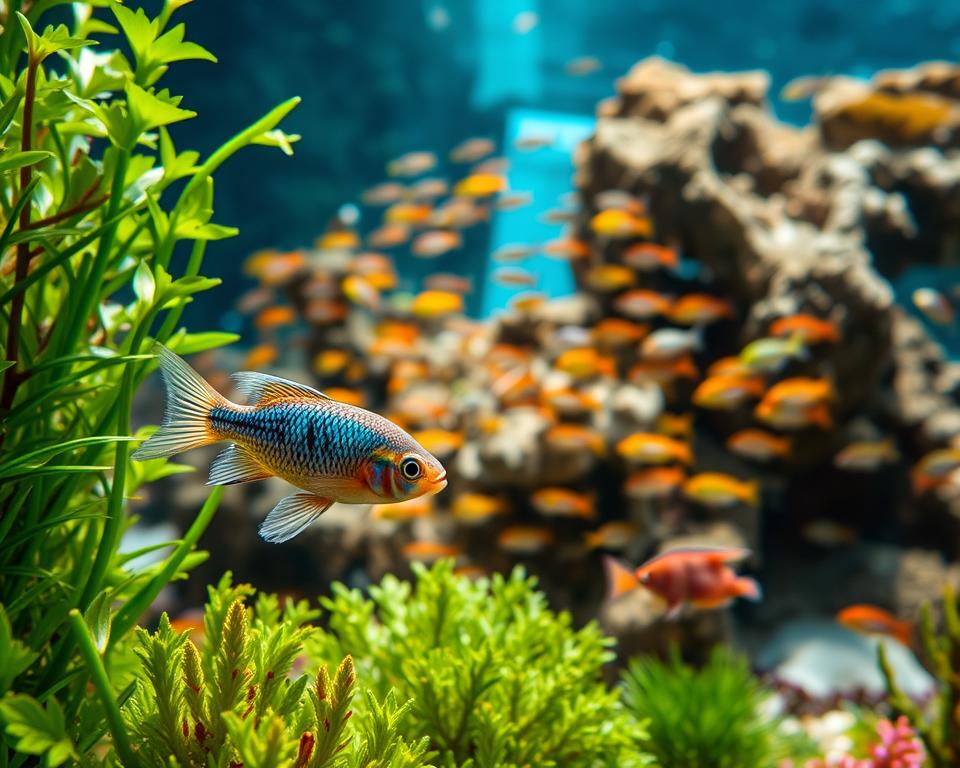
Did you know that Resilient Nano Fish can thrive in even the smallest of aquariums? They bring serenity and beauty to any room. As an aquarium enthusiast, I’m excited to share with you the captivating world of these tiny creatures. They play a key role in aquatic ecosystems.
Resilient Nano Fish are a delight to watch with their vibrant colors and intriguing behaviors. They are relatively easy to care for. This makes them perfect for both seasoned aquarists and beginners.
Key Takeaways
- Resilient Nano Fish are ideal for small aquariums.
- They are relatively low maintenance pets.
- These fish are known for their vibrant colors and behaviors.
- Nano Fish Care involves understanding their specific needs.
- Small Fish Species like Resilient Nano Fish are perfect for community tanks.
Introduction to Resilient Nano Fish
Resilient Nano Fish are amazing, living in many water places and keeping the environment balanced. They are interesting to watch and very important in the water food chain.
What are Resilient Nano Fish?
These fish can live in different waters, making them great for beginners and experts. Their resilience comes from their strong bodies and smart ways of living in various waters.
They are small, usually 1 to 5 centimeters long. Their size and hardiness make them perfect for small tanks. These tanks are hard to keep clean and have little space.
“The Resilient Nano Fish is a testament to the incredible diversity of aquatic life, showing us how complex ecosystems work.” – Aquatic Ecologist
Importance in Aquatic Ecosystems
Resilient Nano Fish are key to keeping their ecosystems balanced. They are food for bigger fish and help control algae and small bugs. This keeps the water clean.
| Ecosystem Role | Description | Impact |
|---|---|---|
| Food Source | Serve as prey for larger fish and aquatic animals | Supports higher trophic levels |
| Algae Control | Feed on algae and small invertebrates | Maintains water quality |
| Ecosystem Balance | Contribute to the balance of aquatic ecosystems | Ensures ecological stability |
In summary, Resilient Nano Fish are not just cool to look at. They are also essential to their ecosystems. Knowing about them helps us keep water environments healthy, both in nature and in our homes.
The Habitat of Resilient Nano Fish
Knowing where Resilient Nano Fish live is key to their care and protection. They can be found in many types of water environments. Their ability to adapt to different places makes them interesting to study.
Preferred Environments and Conditions
Resilient Nano Fish like certain conditions, like specific water temperatures and plants. They do best in water between 72°F to 82°F (22°C to 28°C). This is common in tropical and subtropical areas.
Important factors for their homes include:
- Water pH and hardness
- Presence of aquatic plants
- Availability of hiding places and shelter
Keeping these conditions right is vital for nano fish care. It helps them stay healthy in aquariums.

Global Distribution of Resilient Nano Fish
Resilient Nano Fish live in many parts of the world. They can be found in freshwater rivers, brackish estuaries, and some marine areas. Their wide spread shows how adaptable they are as a small fish species.
If you’re curious about these amazing fish and how to care for them, check out this article on nano fish myths.
Some places where you can find Resilient Nano Fish include:
- Southeast Asia, known for its rich aquatic biodiversity
- South America, with its vast river basins and diverse fish fauna
- Africa, where they inhabit various freshwater and brackish environments
Knowing where they live helps us better care for them. It also aids in conservation efforts.
Unique Features of Resilient Nano Fish
The Resilient Nano Fish show the amazing diversity of life in water. They have special looks and ways of acting. These traits make them interesting to watch and help them live well in different waters.
Physical Characteristics
These fish are small and brightly colored. This makes them a hit with people who like aquariums. They can live in small tanks and make them look nice.
Some key physical traits include:
- Small, typically ranging from 1 to 3 inches in length
- Vibrant coloration, often displaying shades of blue, red, and yellow
- Streamlined bodies, adapted for navigating through dense aquatic vegetation
Behavioral Traits and Adaptations
Resilient Nano Fish also have interesting ways of acting. They like to be with others, which is fun to see in a clean tank.
| Behavioral Trait | Adaptation | Benefit |
|---|---|---|
| Schooling Behavior | Enhanced foraging and predator avoidance | Increased survival rates |
| Omnivorous Diet | Flexibility in feeding habits | Ability to thrive in various environments |
| Adaptability to Water Conditions | Tolerance to a range of water parameters | Resilience in changing aquatic environments |
To care for Resilient Nano Fish, you need to mimic their natural home. This means keeping the water right, feeding them well, and giving them room to swim together.
If you’re new to keeping nano fish, starting right is key. Resilient Nano Fish are great for beginners. They are easy to care for and very hardy.
Feeding Habits of Resilient Nano Fish
Feeding Resilient Nano Fish needs knowledge of their diet and how to feed them. They are Small Fish Species. Knowing how to feed them is key for their health, whether in a home tank or the wild.
Preferred Diet
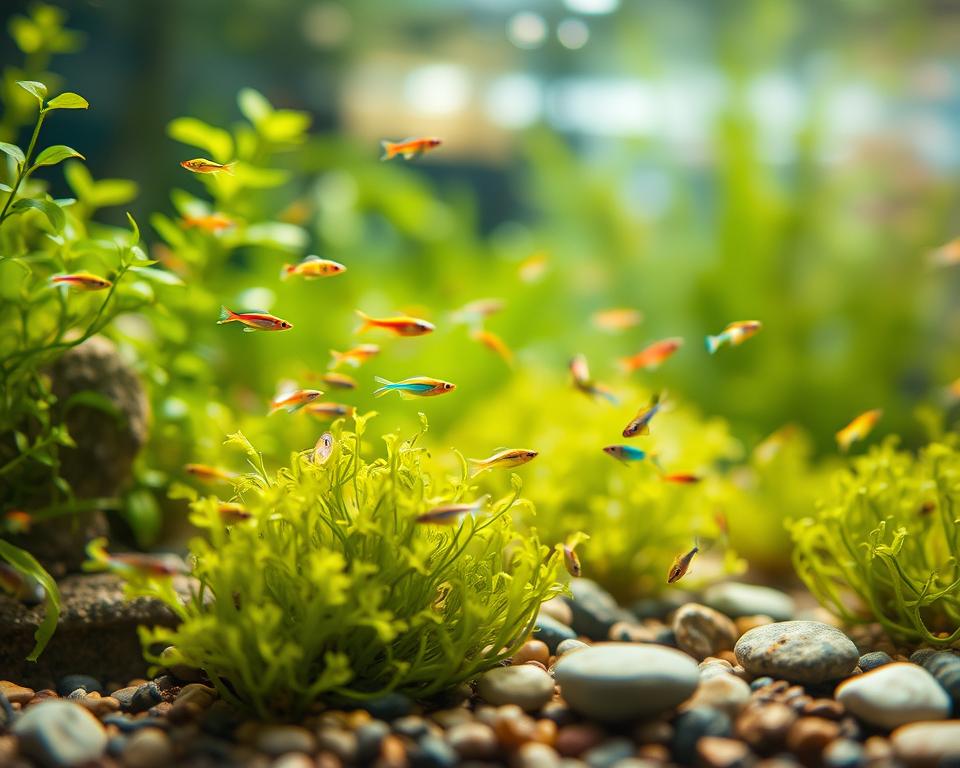
Resilient Nano Fish eat a variety of foods. They like tiny invertebrates, algae, and organic matter. Their diet helps keep their habitats balanced.
In a Nano Fish Tank, it’s important to match their natural diet. Use high-quality flake or pellet food. Add live or frozen foods like brine shrimp or daphnia too.
Feeding Strategies in Different Environments
How Resilient Nano Fish eat changes with their environment. In the wild, they search for food in the substrate, on plants, and in the water. In tanks, they need a mix of surface and bottom foods.
To keep them healthy, understand their eating habits. Feed them small meals often, if they live with other fish. This helps them get enough to eat.
By mimicking their natural eating ways, we can help Resilient Nano Fish do well in our care.
Reproduction and Lifespan
Exploring the life cycle of Resilient Nano Fish shows how important care is. Knowing about their reproduction and lifespan helps keep a nano tank healthy.
Breeding Behavior
Resilient Nano Fish have interesting ways of breeding. They lay eggs and some even have special courtship rituals. For example, some species form long-term pairs, while others spawn together.
Key Breeding Behaviors:
- Courtship rituals involving vibrant color displays
- Selection of specific spawning sites
- Parental care in some species
Lifespan in Captivity vs. the Wild
The lifespan of Resilient Nano Fish changes a lot between being in a tank and in the wild. In tanks, with good nano fish care and nano fish tank maintenance, they can live 3-5 years. But in the wild, they face predators and harsh conditions, living only 1-3 years.
| Environment | Average Lifespan | Factors Influencing Lifespan |
|---|---|---|
| Captivity | 3-5 years | Water quality, diet, tank size |
| Wild | 1-3 years | Predation, water conditions, habitat quality |
For beginners, picking the best nano fish means choosing hardy ones. Resilient Nano Fish are great because they live a long time and are fun to watch.
The Role of Resilient Nano Fish in Aquaculture
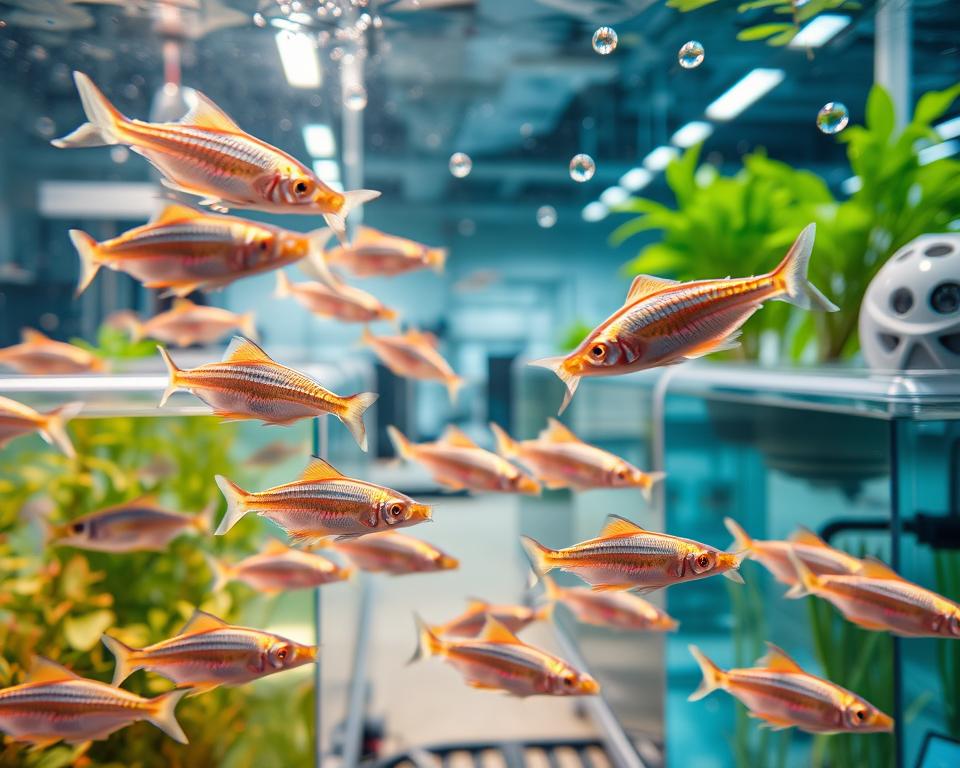
In the world of aquaculture, Resilient Nano Fish are very important. They help make fish farming more sustainable. Their special traits make them perfect for fish farmers who want to grow their business.
Benefits to Fish Farming
Resilient Nano Fish bring many advantages to fish farming. These include:
- Improved water quality: They keep the water in the tank healthy.
- Increased biodiversity: They help create a more varied underwater world.
- Enhanced nutritional value: They are full of nutrients, which is great for fish farms.
Challenges in Cultivation
But, growing Resilient Nano Fish is not without its challenges. Some of these are:
- Sensitivity to water conditions: They need specific water to do well.
- Disease susceptibility: They can get sick if not taken care of right.
- Nutritional requirements: It’s important to feed them the right food for their growth.
By knowing these challenges, fish farmers can find ways to overcome them. This way, they can successfully raise Resilient Nano Fish.
Conservation Status of Resilient Nano Fish
Environmental changes and human activities threaten Resilient Nano Fish. We need to act fast to save them. It’s important to know the dangers they face and the efforts to protect them.
Threats to Their Survival
Resilient Nano Fish face many dangers. These include habitat loss, pollution, and overfishing. Habitat destruction is a big problem. It reduces their homes and breaks their populations into smaller groups.
- Pollution from industrial and agricultural runoff
- Overfishing and destructive fishing practices
- Climate change affecting water temperatures and quality
Conservation Efforts and Initiatives
Many efforts are being made to save Resilient Nano Fish. These include habitat restoration projects, research into pollution effects, and sustainable fishing practices. Also, teaching people about Nano Fish Care and Nano Fish Tank Setup helps reduce the need for catching them from the wild.
- Creating protected areas for their habitats
- Teaching people why conservation is important
- Studying how climate change affects them
If you want to keep Resilient Nano Fish at home, choose Best Nano Fish for Beginners. Follow good care tips to help save this species.
Research and Studies on Resilient Nano Fish
Exploring Resilient Nano Fish, we find new surprises in research. Studies have greatly improved our knowledge of these creatures. They reveal their biology, behavior, and role in the ecosystem.
Recent Findings and Discoveries
Scientists have learned a lot about Resilient Nano Fish. They’ve found out how these fish adapt to different water environments. A study found at https://pmc.ncbi.nlm.nih.gov/articles/PMC4580674/ shows they can live in many types of water.
The table below shows key findings about Resilient Nano Fish’s looks and actions.
| Characteristics | Description | Adaptability |
|---|---|---|
| Physical Traits | Small size, vibrant colors | Highly adaptable to different tank conditions |
| Behavioral Traits | Schooling behavior, active swimmers | Can thrive in community tanks with proper care |
| Dietary Preferences | Omnivorous, preferring small food particles | Easily fed with appropriate fish food |
Future Research Directions
There’s more to learn about Resilient Nano Fish. We need to study their genetics and how they react to environmental changes. This knowledge will help us protect them and keep their tanks healthy.
Also, we should look at how Resilient Nano Fish interact with other species. This will help us understand their role in keeping water ecosystems balanced. As research grows, we’ll likely find even more about these fascinating Small Fish Species.
Connecting with Aquarists and Enthuasiasts
Keeping Resilient Nano Fish in home aquariums needs the right gear and a supportive community. Being part of this community, I’ve seen a lot of shared knowledge and experiences.
Tips for Keeping Resilient Nano Fish in Home Aquariums
To keep Resilient Nano Fish well, you must know their needs. Here are some important tips:
- Keep the water temperature between 72°F and 82°F.
- Make sure there’s good water circulation and oxygen.
- Feed them a balanced diet with nutrient-rich foods.
- Don’t overcrowd the tank to avoid stress and disease.
Nano Fish Care is key for their survival. Regular water changes and checking water quality are essential.
Community and Resources for Fish Lovers
Being part of an aquarist community can really help. There are many online forums, local clubs, and social media groups for fish keepers.
Some recommended resources include:
- Online forums like Aquarium Enthuasiasts and Nano Fish Forum.
- Local fish-keeping clubs for events and workshops.
- Social media groups for aquarium keeping.
Connecting with other aquarists can give you insights into Best Nano Fish for Beginners and their experiences.
For beginners, starting with Resilient Aquarium Fish like Nano Fish is a good way to begin the hobby.
Popular Species of Resilient Nano Fish
The world of Resilient Nano Fish is full of variety. It features many species that fascinate fish keepers everywhere. These small, colorful creatures are not only fun to watch. They also show us the amazing adaptations found in water.
Overview of Notable Species
Some species of Resilient Nano Fish are more popular than others. The White Cloud Mountain Minnow is loved for its resilience and ease of care. The Zebra Danio is also well-known for its lively behavior and striped pattern.
The Least Killifish and the Celestial Pearl Danio are also favorites. Each has its own special traits that attract aquarists. Knowing what each species needs is key to their care.
Comparison of Their Traits and Care Requirements
Different Resilient Nano Fish species have different care needs. For example, some, like the Boraras genus, like soft, slightly acidic water. Others, like the Danio species, can handle a variety of water conditions.
- White Cloud Mountain Minnow: Prefers cooler temperatures, around 64-75°F (18-24°C).
- Zebra Danio: Can thrive in a wide temperature range, from 65-77°F (18-25°C).
- Least Killifish: Requires a well-planted tank with plenty of hiding places.
By knowing these differences, aquarists can tailor their care to each species. This ensures a healthy and thriving aquarium.
Conclusion: The Importance of Resilient Nano Fish
Resilient Nano Fish are amazing creatures that are key to our water worlds. We’ve looked into their special traits, where they live, and how they eat. Knowing about Resilient Nano Fish helps us see their value and how to protect them.
Key Insights
These fish are not just interesting; they’re also vital for keeping their ecosystems healthy. They can live in many places, making them great for aquariums. They’re perfect for beginners who want to start with the Best Nano Fish.
Understanding Their Importance
It’s important to know about Resilient Nano Fish to take good care of them. This knowledge helps us create a great home for them. By understanding their role, we can help keep their numbers up and support green fish farming.