

Did you know indoor air can be five times more polluted than outdoor air? This fact shows how vital it is to clean the air we breathe at home. Adding oxygen-rich plants is a natural way to do this.
I love indoor gardening and have seen the oxygenation benefits plants offer. They make rooms look better and help keep our homes healthy.
By picking the right plants, you can make your home’s air much cleaner. This makes your living space healthier and supports a greener lifestyle.
Key Takeaways
- Indoor air can be significantly more polluted than outdoor air.
- Oxygenating plants are a natural solution for air purification.
- These plants enhance both the health and aesthetic of indoor spaces.
- Choosing the right plants is key for the best oxygenation benefits.
- Adding greenery to your home promotes a healthier and more sustainable lifestyle.
What Are Oxygenating Plants?
Oxygenating plants are not just pretty; they also make oxygen. They help keep our ecosystem balanced by cleaning the air and water.
Definition and Role in the Ecosystem
Oxygenating plants, like aquatic plants and underwater plants, make oxygen through photosynthesis. This helps them and adds oxygen to their surroundings, whether it’s outdoors or indoors.
These plants do many things for the ecosystem. They keep water clean by taking in nutrients and sediments. They also help many other living things by providing homes.
Benefits of Oxygenating Plants for Indoor Spaces
Oxygenating plants in indoor spaces are great. They make rooms look better and clean the air by removing bad stuff. Some benefits are:
- They clean the air by removing harmful pollutants
- They make indoor spaces look better
- They help with mental health and well-being
- They make indoor environments healthier
Adding water garden plants or other oxygenating plants to your home or office is smart. They can make your space more peaceful or just clean the air better. Oxygenating plants are a good choice.
How Do Oxygenating Plants Work?
Oxygenating plants are amazing natural air purifiers. They work through a complex process that makes oxygen and cleans the air. This process is vital for our health.
The Science Behind Photosynthesis
Photosynthesis is key to how oxygenating plants work. Plants use sunlight, water, and carbon dioxide to make glucose and oxygen. This happens in plant cells, where chlorophyll captures sunlight.
Key components of photosynthesis include:
- Light absorption by chlorophyll
- Conversion of carbon dioxide and water into glucose and oxygen
- Release of oxygen into the atmosphere
Carbon Dioxide Absorption Process
Oxygenating plants take in carbon dioxide through tiny openings on their leaves. This carbon dioxide is used in photosynthesis. By doing this, they help make the air healthier.
How well plants absorb carbon dioxide varies. Some plants are better at it, making them great for air purification.
| Plant Species | CO2 Absorption Rate | Air Purification Efficiency |
|---|---|---|
| Snake Plant | High | Effective |
| Peace Lily | Medium | Moderately Effective |
| Spider Plant | High | Very Effective |
Understanding oxygenating plants helps us see their importance. They purify the air through photosynthesis and carbon dioxide absorption. They are a great addition to any space.
Top Oxygenating Plants for Your Home
Some plants are better at purifying the air in your home than others. Adding these plants to your indoor spaces can improve air quality. This makes your home a healthier place to live.
Snake Plant: The Hardy Air Purifier
The snake plant is great for rooms with little natural light. It’s easy to care for because it can go without water for a long time. This plant is a powerhouse of air purification, removing harmful toxins like formaldehyde and benzene from the air.
“The snake plant is a natural air purifier that can help remove toxins from the air, promoting a healthier indoor environment.”
Peace Lily: Beauty and Functionality
The peace lily is not just beautiful; it also purifies the air well. It can remove VOCs and other pollutants, making the air cleaner and healthier. It prefers well-drained soil and moderate watering, but it’s relatively easy to care for.
Spider Plant: Easy Care and High Purity
Spider plants are easy to care for and purify the air well. They do best in bright, indirect light and need moderate watering. One of the benefits of spider plants is their ability to produce baby plants, or spiderettes, which can be easily propagated to create new plants. This feature, combined with their air-purifying abilities, makes them a favorite among indoor gardeners.
Adding these top oxygenating plants to your home is a simple way to improve indoor air quality. Whether you choose the hardy snake plant, the beautiful peace lily, or the easy-to-care-for spider plant, you’ll be making your home healthier and more sustainable.
Benefits of Having Oxygenating Plants
Oxygenating plants in your home offer many health benefits. They are more than just decorations. They help make your indoor space better.
Improved Air Quality
Oxygenating plants clean the air by removing harmful substances. They use sunlight to make oxygen and take in carbon dioxide. This makes the air healthier to breathe.
Some of the common toxins removed by oxygenating plants include:
- Formaldehyde
- Trichloroethylene
- Benzene
- Ammonia
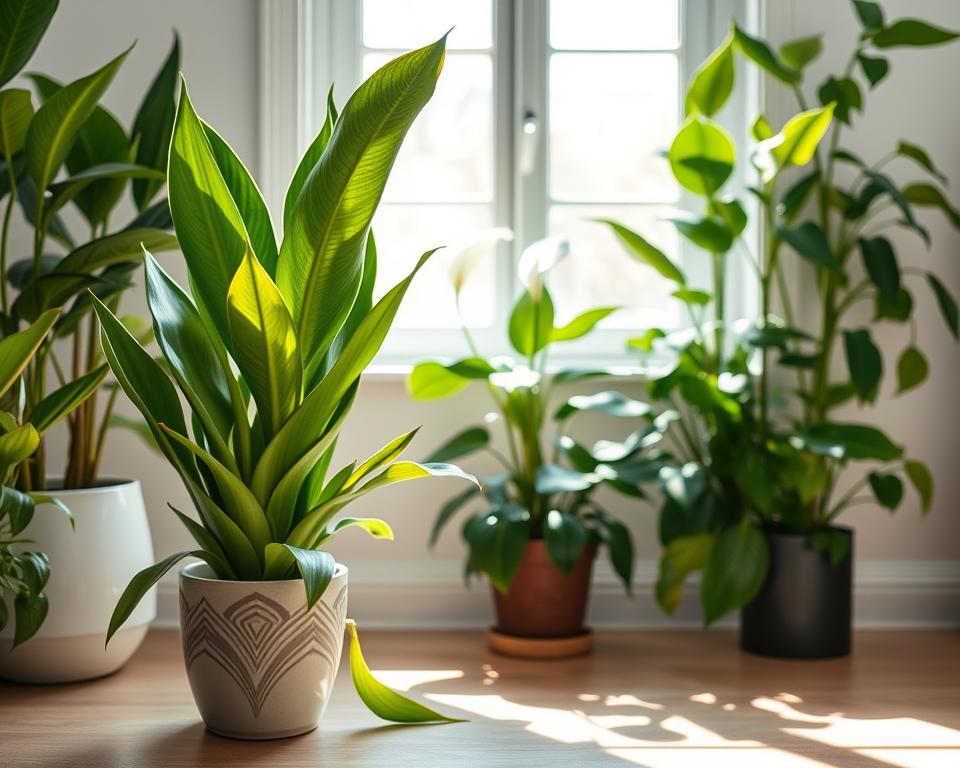
Enhanced Mood and Well-being
Being around plants can make you feel better mentally. Oxygenating plants can lift your mood and lower stress. They help you feel more at peace.
Having plants can make your home feel calmer in today’s busy world. Adding oxygenating plants to your decor can make your space more relaxing.
Humidity Control
Oxygenating plants also help control humidity in your home. They release moisture into the air. This is good for places with dry air.
They help keep the air moist. This is good for your skin and breathing. It makes your home more comfortable.
Ideal Conditions for Oxygenating Plants
Creating the right environment is key for oxygenating plants to thrive. These plants help keep water clean by making oxygen. Knowing what they need is important.
Light Requirements
Oxygenating plants need light to make oxygen. The amount and type of light affects their growth. Most aquatic plants do best with moderate to high light.
But, different plants need different amounts of light. For example, Anacharis does well in low light, while Cabomba needs more. Knowing what your plants need is vital.
| Plant Species | Light Requirement | Growth Rate |
|---|---|---|
| Anacharis | Low-Moderate | Fast |
| Cabomba | High | Moderate |
| Hornwort | Moderate | Slow-Moderate |
Watering and Soil Needs
Oxygenating plants need clean water to grow well. Regular water changes and checking water quality are important. For oxygenating pond plants, the right nutrients are also key.
The soil or substrate is also important. A nutrient-rich soil helps plants grow. But, too much fertilizer can harm the plants and water quality.
Common Myths About Oxygenating Plants
There’s a lot of wrong information about oxygenating plants. It’s time to clear up the confusion. As we explore these natural air cleaners, it’s key to know what’s true and what’s not.
Oxygenating plants are popular for cleaning the air and making homes better. But, many myths exist about what they can do and how to care for them. Let’s look at some of these common myths.
Do They Really Replace Air Purifiers?
Many think oxygenating plants can replace air purifiers. But, these plants are great at removing bad stuff from the air. They work well with air purifiers, not instead of them.
Oxygenating plants can clean up to 87% of air toxins in 24 hours. They’re a great addition to any room. But, for really bad air or specific allergens, you might need a mechanical air purifier too.
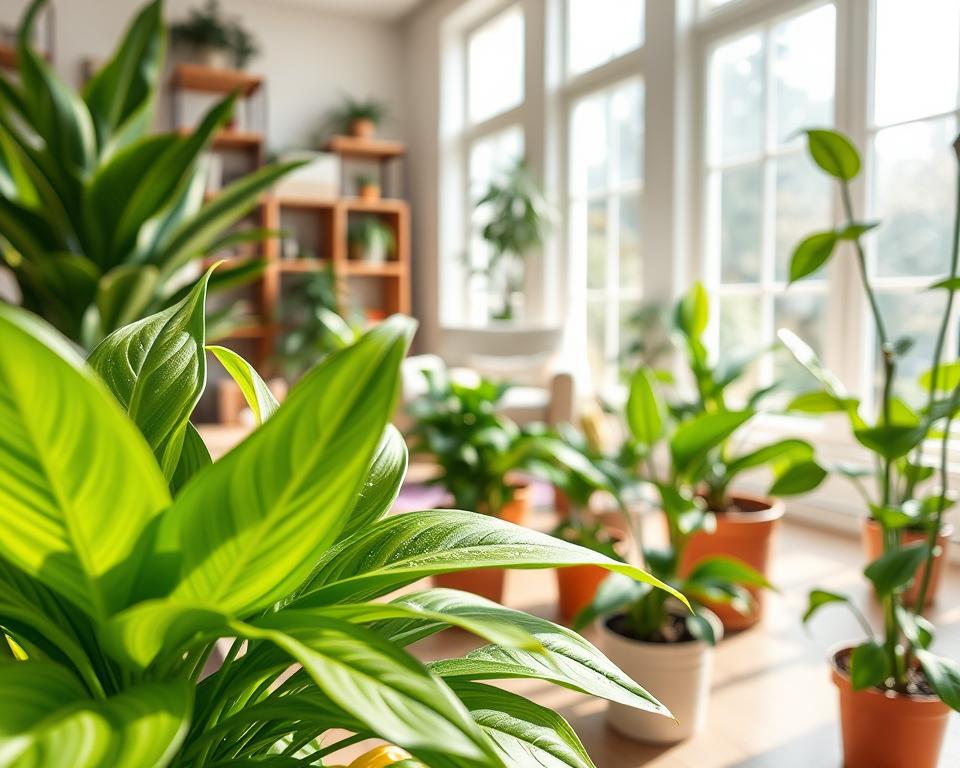
Can They Survive in Low Light?
Some believe all oxygenating plants need lots of light. But, many can do well in low light. For example, the Snake Plant and Pothos can clean the air even in dim places.
When picking oxygenating plants for your home, choose ones that fit your light situation. This way, your plants will not only live but also keep the air clean.
Maintaining Your Oxygenating Plants
To keep your oxygenating plants thriving, regular maintenance is key. Proper care ensures they purify the air and beautify your space. Here, I’ll share tips on maintaining your plants, including pruning, repotting, and pest management.
Pruning and Repotting Tips
Pruning is vital for plant care. It involves removing dead or dying leaves and stems. This keeps the plant healthy and looking good. For plants like the snake plant and peace lily, regular pruning encourages new growth and prevents disease.
- Remove any dead or damaged leaves to prevent disease from spreading.
- Cut back overgrown stems to maintain the plant’s shape.
- Use clean, sharp tools to prevent spreading infections.
Repotting is also important. As plants grow, their roots may need more room. Here are some repotting tips:
| Plant | Repotting Frequency | Pot Size Increase |
|---|---|---|
| Snake Plant | Every 2-3 years | 1-2 inches larger |
| Peace Lily | Every 1-2 years | 1-2 inches larger |
Pest Management Strategies
Oxygenating plants can get pests like spider mites, mealybugs, and scale. Regular checks help spot infestations early. Here are some pest management strategies:
“Regular monitoring of your plants can help catch pest issues before they become severe.”
To manage pests effectively, follow these steps:
- Inspect your plants regularly for signs of pests.
- Isolate infested plants to prevent the pests from spreading.
- Use organic pest control methods whenever possible.
By following these maintenance tips, you can enjoy your oxygenating plants for years. Whether they’re for ponds or indoor spaces, proper care is essential. It helps them survive and improve air quality.
Gardening Tips for Beginners
Starting your gardening journey can be both exciting and overwhelming. With so many options and advice, it’s easy to feel lost. But, with a few simple tips, you can set yourself up for success.
Choosing the Right Plants
Choosing the right plants is key. For beginners, start with hardy and easy-to-care-for plants like snake plants or spider plants. If you’re interested in water garden plants or underwater plants, make sure to research their needs.
Think about light, watering, and temperature when picking plants. Start by grouping plants by their needs and what you can provide.
| Plant Type | Light Requirement | Watering Needs |
|---|---|---|
| Snake Plant | Low to Bright Light | Infrequent Watering |
| Spider Plant | Bright, Indirect Light | Regular Watering |
| Peace Lily | Low to Medium Light | Moderate Watering |
Essential Tools for Plant Care
Having the right tools is important. You’ll need a watering can, pruning shears, and a soil scoop. Good quality tools make caring for your plants easier.
Key Tools for Beginners:
- Watering Can: For watering without causing soil erosion.
- Pruning Shears: For trimming and shaping.
- Soil Scoop: For repotting and mixing soil.
How to Incorporate Plants into Your Decor
Adding oxygenating plants to your decor is easy and fun. It boosts air quality and looks great. Plants make your home look better and healthier.
Creative Placement Ideas
Start by placing plants in creative spots. Hang them from the ceiling or put them on high shelves. This adds greenery to your space.
Use plants as centerpieces on tables. They add a natural touch. Grouping plants in corners or against walls makes your space lush and purifies the air better.
Combining Plants with Furniture
Pairing plants with furniture creates a natural look. Place a potted plant on a side table for warmth. Pair plants with vases or sculptures for a stylish display.
Choose furniture made from natural materials like wood or wicker. These materials match the plants’ organic feel. Furniture with clean lines lets the plants shine.
| Furniture Piece | Plant Type | Style Tip |
|---|---|---|
| Wooden Coffee Table | Snake Plant | Pair with a wooden planter to create a cohesive look. |
| Wicker Shelf | Spider Plant | Hang the spider plant from the shelf to add a cascading element. |
| Minimalist Side Table | Peace Lily | Place the peace lily on the side table to create a serene and elegant atmosphere. |
By adding plants to your decor, you improve air quality and beauty. Try different spots and furniture combinations to find the best fit for your home.
The Environmental Impact of Using Oxygenating Plants
Living eco-friendly means using oxygenating plants in our homes. These plants clean the air we breathe and help our planet. They are a simple way to make a big difference.
Reducing Indoor Pollution
Oxygenating plants clean the air by removing pollutants. They take in carbon dioxide and release oxygen. This makes our homes healthier.
Some plants are great at getting rid of harmful chemicals like formaldehyde and benzene. This improves the air quality inside.
Key Benefits of Oxygenating Plants in Reducing Indoor Pollution:
- Absorption of CO2 and release of O2
- Removal of harmful toxins like formaldehyde and benzene
- Improvement in overall air quality
Contribution to Sustainability
Oxygenating plants do more than clean the air. They help us live more sustainably. By using these plants, we support nature and save money.
| Sustainability Aspect | Contribution of Oxygenating Plants |
|---|---|
| Air Quality Improvement | Removal of pollutants and toxins |
| Ecological Balance | Support for natural oxygenation processes |
| Cost-Effectiveness | Low maintenance and natural air purification |
In conclusion, oxygenating plants are a great way to improve our environment. They clean the air and help our planet. They are a valuable tool for a healthier world.
Resources for Further Learning
Exploring oxygenating plants has opened up a whole new world. If you want to learn more, I’ve found some great resources for you.
Recommended Reading
Looking to learn more about aquatic and pond plants? There are many books and articles out there. They cover topics like photosynthesis, soil needs, and how to deal with pests.
Online Forums and Communities
Online communities and forums are great places to meet other plant lovers. You can ask questions, share your experiences, and learn from others. They often talk about the best conditions for plants and creative ways to display them.
With these resources, you’ll be well on your way to becoming a plant expert. You’ll enjoy the many benefits that oxygenating plants bring to your home.