


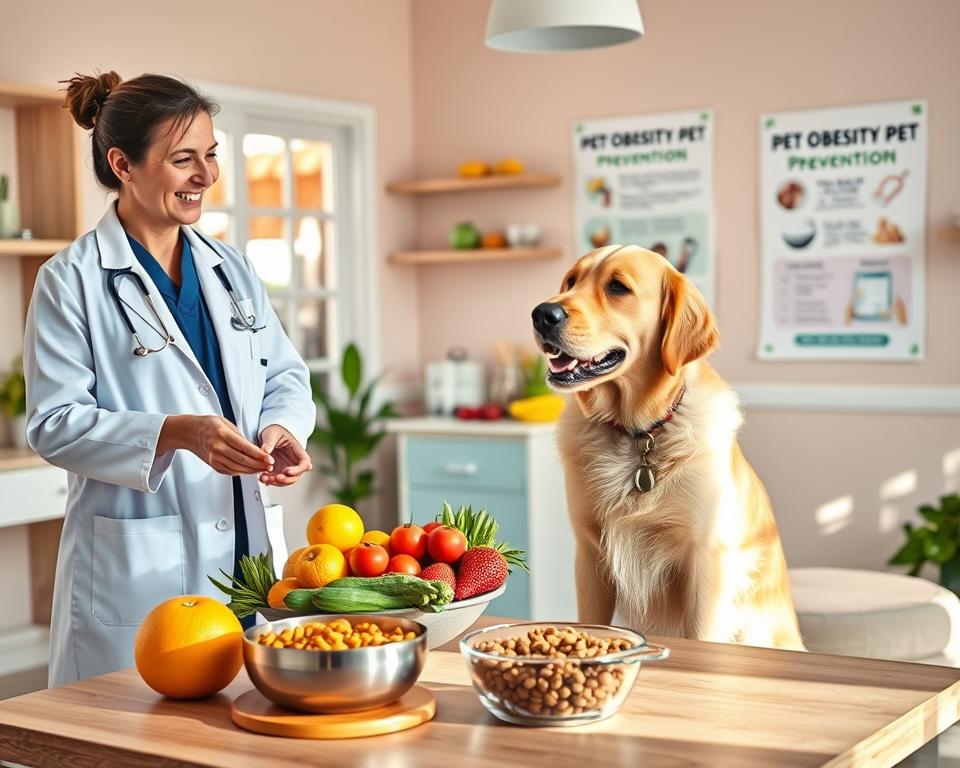
Did you know that pet obesity is a big problem in the United States? It affects millions of dogs and cats. As a pet owner, it’s sad to see your furry friend deal with weight issues. Maintaining a healthy weight is key for your pet’s wellbeing.
By knowing the dangers of overfeeding and making small changes to your pet’s diet and lifestyle, you can greatly improve their life. I’ll share tips on how to keep your pet at a healthy weight. This includes portion control, healthy eating habits, and regular exercise.
Key Takeaways
- Understand the risks of pet obesity
- Implement portion control for your pet
- Develop healthy feeding habits
- Encourage regular exercise for your pet
- Monitor your pet’s weight and adjust as necessary
Understanding Overfeeding in Pets
To prevent overfeeding, first, you need to know what it is and how it affects your pet. Overfeeding happens when your pet eats more calories than they use. This can cause weight gain and health problems.
What is Overfeeding?
Overfeeding means giving your pet more food than they need. This leads to weight gain and health issues. It can happen for many reasons, like thinking your pet needs more food than they do or not following the food guidelines.
Common Misconceptions About Feeding
Many people think giving their pets more food is good. They believe it gives them extra energy or makes them full. But, this is not true. Overfeeding can cause obesity, diabetes, and other serious health problems. Some common wrong beliefs include:
- Thinking a chubby pet is happy and healthy
- Believing pets need to eat all their food to be full
- Not knowing that each pet has different food needs
The Risks of Overfeeding
Overfeeding can harm your pet’s life a lot. Some big risks are:
- Obesity: Too much weight can cause arthritis, heart disease, and diabetes.
- Reduced Lifespan: Overfeeding can make your pet’s life shorter by increasing health risks.
- Decreased Quality of Life: Overweight pets may move less and feel more pain, hurting their happiness.
Knowing the dangers of overfeeding and stopping it can make your pet’s life better and happier.
Recognizing the Signs of Overfeeding
To keep your pet healthy, it’s important to know the signs of overfeeding. Overfeeding can show in many ways, affecting your pet’s behavior, health, and overall well-being.
Behavioral Indicators
Behavioral changes can be early signs of overfeeding. Some common signs include:
- Lethargy or decreased activity levels
- Increased appetite or begging for food
- Irritability or restlessness
These signs mean your pet might need a change in their diet. Watching your pet’s behavior closely can help spot problems early.

Physical Symptoms to Watch For
Physical symptoms are often clear and can include:
- Weight gain or obesity
- Joint pain or stiffness
- Skin issues or allergies
Regular monitoring of your pet’s health is key. If you see any of these symptoms, it’s time to check their diet and talk to a vet.
When to Consult a Veterinarian
If you see signs of overfeeding, seeing a vet is a must. They can give advice that fits your pet’s needs, helping with diet and exercise.
A veterinarian can also find any health problems that might be linked to overfeeding. Regular vet visits help keep your pet healthy.
Recommended Feeding Guidelines for Pets
Having a good feeding schedule is key to stop overfeeding and meet your pet’s nutritional needs. As a caring pet owner, knowing the right feeding guidelines is essential for your pet’s health and happiness.
Standard Serving Sizes by Animal Type
Different pets need different amounts of food based on their age, size, breed, and how active they are. For example, dogs need a certain amount of food based on their weight, which changes with breed and age. Cats also have different needs, whether they are kittens or adult cats.
- Small breed dogs: 1/4 to 1/2 cup per 10 pounds of body weight
- Large breed dogs: 1/4 to 3/4 cup per 10 pounds of body weight
- Cats: 1/4 to 1/2 cup per 5 pounds of body weight
The Importance of Measuring Food
It’s important to measure your pet’s food to avoid overfeeding. Using a standard measuring cup helps you give the right amount. Adjust the serving size based on your pet’s needs and how active they are.
“The key to a healthy pet is a balanced diet and controlled portions.”
Feeding Frequency: How Often Should You Feed?
The number of times you feed your pet depends on their age and type. For example, puppies and kittens need to eat more often than adult pets. Pets usually need to eat at least twice a day, but some might need more, smaller meals.
| Pet Type | Age | Feeding Frequency |
|---|---|---|
| Puppies | Up to 6 months | 3-4 times a day |
| Kittens | Up to 6 months | 3-4 times a day |
| Adult Dogs/Cats | Over 1 year | 2 times a day |
Choosing the Right Pet Food
Preventing overfeeding starts with picking a high-quality pet food. This food should meet your pet’s nutritional needs. With many options, choosing the right one can be tough.
When picking pet food, consider several factors. Knowing these can help you choose food that supports your pet’s health.
Understanding Pet Food Labels
Pet food labels can be confusing. But they have important info about the product. Look for labels that list ingredients, nutritional content, and feeding guidelines clearly. Avoid labels with vague terms or too many fillers.
Key components to check on pet food labels include:
- Nutritional adequacy statement
- Ingredient list
- Feeding instructions
- Manufacturer information
Nutritional Requirements by Age and Size
Pets need different nutrients based on their age, size, and breed. For example, puppies need more protein and calories than adult dogs. Kittens also need more nutrients than adult cats. Knowing these needs helps you pick the right food for your pet.
Consider the following nutritional needs for your pet:
- Puppies and kittens: High protein, moderate fat, and essential vitamins and minerals
- Adult pets: Balanced diet with appropriate levels of protein, fat, and carbohydrates
- Senior pets: Easier-to-digest ingredients, joint support, and antioxidants
How to Select High-Quality Ingredients
Choosing high-quality ingredients is key for your pet’s health. Look for foods with named protein sources (like chicken or salmon), whole grains, and various fruits and vegetables. Stay away from generic terms (like “meat”) and artificial preservatives.
Tips for selecting high-quality pet food:
- Read the ingredient list carefully
- Avoid fillers and by-products
- Opt for foods with whole grains and vegetables
- Consider your pet’s individual needs and preferences
The Role of Treats in Your Pet’s Diet
Treats play a big role in our pets’ diets. They affect their nutrition, behavior, and health. It’s important to manage treats to keep their diet balanced.
Healthy Treat Options
Choosing the right treats is key. Look for treats that are full of nutrients but low in calories. For dogs, carrot sticks and green beans are great choices. Cats can enjoy freeze-dried chicken or salmon as a healthy snack.
Also, consider treats made for your pet’s life stage and. This helps ensure they fit well with their regular food without upsetting their balance.
How to Limit Treat Consumption
It’s important to control how many treats your pet gets. Treats should not make up more than 10% of their daily calories. This helps with portion control and keeps them from gaining too much weight.
- Keep track of how many treats you give each day.
- Choose small or low-calorie treats.
- Don’t use treats as a meal replacement.
Creative Ways to Use Treats Wisely
Treats can make mealtime and training more fun. For instance, you can:
- Fill puzzle toys with treats to make meals more exciting.
- Use treats to reward good behavior during training.
- Make feeding time a fun, interactive experience.
By being careful with the treats we give our pets, we can help them stay healthy and balanced.
Establishing a Feeding Routine
Having a regular feeding schedule stops overfeeding and makes sure your pet gets the right nutrients. It keeps your pet at a healthy weight and boosts their overall health.
Creating a Consistent Schedule
To set up a regular feeding schedule, first figure out the best times for your pet. This depends on their age, size, and how active they are. For example, puppies need to eat more often than adult dogs.
It’s key to spread out meals evenly to keep energy levels steady.
Here’s a basic outline to consider:
- Identify your pet’s nutritional needs based on age and size.
- Choose specific feeding times that fit your daily routine.
- Stick to the schedule consistently, even on weekends and holidays.
Tips for Timing Meals
Getting the timing right for meals is vital for a healthy routine. For pets that tend to eat too much, a slow-feeder bowl can help. Also, breaking their daily food into smaller meals can keep them full and stop them from begging.
| Pet Type | Ideal Feeding Frequency | Recommended Meal Timing |
|---|---|---|
| Puppies | 3-4 times a day | 8:00 AM, 12:00 PM, 4:00 PM, 8:00 PM |
| Adult Dogs | 2 times a day | 7:00 AM, 6:00 PM |
| Cats | 2-3 times a day | 8:00 AM, 2:00 PM, 8:00 PM |
Adjusting Routine as Your Pet Grows
As your pet grows, their needs change. It’s important to adjust their feeding routine. For instance, puppies need more protein and calories than adult dogs.
Regularly check with your vet to find the best feeding schedule and amounts for your pet’s stage of life.

By following these tips and keeping an eye on your pet’s changing needs, you can create a feeding routine that supports their health and wellbeing.
Educating Family Members About Feeding
To prevent overfeeding, it’s vital that all family members are on the same page regarding feeding guidelines. When everyone is informed and aligned, it becomes easier to maintain a consistent and healthy feeding routine for your pet.
Importance of Teamwork in Pet Care
Teamwork is essential in pet care because it ensures that your pet receives consistent care. When all family members are aware of and agree on feeding guidelines, it reduces the likelihood of overfeeding or underfeeding. This unity helps in creating a stable environment for your pet.
Benefits of Teamwork:
- Consistent feeding schedule
- Reduced risk of overfeeding
- Better monitoring of pet’s health
Communicating Feeding Guidelines
Clear communication is key to ensuring that all family members understand the feeding guidelines. This includes discussing the type of food, the amount to be given, and the frequency of meals. It’s also important to share any specific dietary needs or restrictions your pet may have.
| Family Member | Role in Feeding | Responsibilities |
|---|---|---|
| Primary Caregiver | Main person responsible for feeding | Prepare meals, monitor food intake |
| Secondary Caregiver | Assists with feeding | Help with meal preparation, give treats |
| Other Family Members | Supports feeding routine | Avoid giving unauthorized treats, follow feeding schedule |
Setting Boundaries on Treats
Treats can be a significant contributor to overfeeding if not managed properly. Setting boundaries on treats ensures that they are given in moderation and do not exceed the daily calorie intake recommended for your pet.
By educating family members about the importance of adhering to feeding guidelines and setting boundaries on treats, you can create a cohesive approach to your pet’s nutrition. This not only helps in avoiding overfeeding but also strengthens the bond between your pet and the family.
Engaging Your Pet in Regular Exercise
Physical activity is key for pets, boosting both their health and happiness. It helps prevent overfeeding and obesity, big worries for pet owners. Adding exercise to your pet’s daily life can greatly improve their health.
Benefits of Physical Activity
Exercise offers many perks for pets, like keeping them at a healthy weight and boosting heart health. It also sharpens their minds and lowers disease risks. Experts say, “Exercise is vital for a pet’s wellbeing.”
Some key benefits of exercise for pets include:
- Weight management
- Improved cardiovascular health
- Enhanced mental stimulation
- Reduced risk of chronic diseases
Activities for Different Pets
Dogs, cats, and small pets need different exercises. Dogs enjoy walks, runs, and fetch. Cats like playing with toys or chasing laser pointers. Small pets need safe spaces to explore.
For example, dogs love activities that involve interaction with their owners, such as:
- Going on long walks or hikes
- Playing fetch or tug-of-war
- Engaging in agility training

How to Track Your Pet’s Exercise
It’s important to track your pet’s exercise to ensure they get enough. Use a pet activity tracker or a log to keep track. This helps adjust their routine to keep them healthy.
Tips for tracking your pet’s exercise include:
- Using a pet activity tracker
- Keeping a daily log of activities
- Adjusting the routine based on the pet’s needs and responses
Monitoring Your Pet’s Weight
Keeping an eye on your pet’s weight is key to their health. It helps prevent overfeeding. By tracking their weight, you can adjust their diet and exercise.
Managing your pet’s weight is more than just looking at them. Regular weight checks are needed to catch problems early.
Tools for Weight Assessment
There are many tools to check your pet’s weight. A pet scale is common. You can also use the body condition score (BCS) to see if they have too much fat.
The BCS system goes from 1 (very thin) to 5 or 9 (very fat). Your vet can teach you how to use it right.
Regular Check-Ins with Your Vet
Seeing your vet regularly is important. They will check your pet’s weight and give advice on portion control and diet.
“Regular check-ups with your veterinarian are vital for monitoring your pet’s weight and making necessary adjustments to their diet and exercise routine.”
Setting Weight Goals for Your Pet
After knowing your pet’s weight and BCS, you can set goals with your vet. This might mean changing their diet or adding more exercise.
| Weight Goal | Dietary Adjustments | Exercise Recommendations |
|---|---|---|
| Weight Loss | Reduce daily caloric intake by 10% | Increase exercise by 15 minutes daily |
| Weight Maintenance | Maintain current diet | Continue regular exercise routine |
| Weight Gain | Increase daily caloric intake by 5% | Maintain current exercise level |
With your vet’s help and the right tools, you can help your pet stay at a healthy weight. This ensures they live a happy and healthy life.
Addressing Behavioral Issues Around Food
One big challenge in keeping pets healthy is dealing with food-related behaviors. Pets might show aggression or be picky, which worries both pets and owners.
These issues can ruin mealtime and harm your pet’s health. Knowing why pets act this way is key to fixing the problem.
Food Aggression in Pets
Food aggression happens when pets guard their food, sometimes growling or snapping. This can come from past experiences, competition, or genetics.
To fight food aggression, create a calm place for eating. Feed your pet in a quiet spot where they feel safe and won’t get upset.
How Stress Affects Eating Habits
Stress can mess with your pet’s appetite, making them eat less or more. Changes at home, new pets, or work schedule changes stress pets out.
To help, keep a consistent routine. Regular feeding times and a stable home reduce stress for pets.
Tips for Combatting Picky Eaters
Picky eating is common, where pets won’t eat certain foods. It might be boredom, health issues, or just personal taste.
- Introduce new foods slowly to avoid overwhelming your pet.
- Make mealtime fun with interactive feeders or puzzle toys.
- Try warming up your pet’s food to make it more appealing.
Understanding and fixing these food-related behaviors helps pets stay healthy. It improves their nutrition and overall well-being.
Creating a Healthy Lifestyle for Your Pet
Keeping your pet at a healthy weight is key for their happiness and health. It’s important to avoid overfeeding. But, you also need to think about their diet and mental health.
Nourishing Body and Mind
A good diet is essential. Stick to the feeding guidelines to make sure your pet gets the right nutrients. But, it’s not just about food. It’s also about making mealtime positive.
By managing meals and limiting treats, you help your pet develop healthy eating habits.
A Balanced Approach to Diet and Activity
Regular exercise is important for your pet’s body and mind. A mix of a balanced diet and exercise helps keep them at a healthy weight. This approach is vital for a happy, healthy pet.
Long-Term Benefits of Healthy Habits
Healthy habits and avoiding overfeeding greatly improve your pet’s life. It boosts their well-being and strengthens your bond. This leads to a more rewarding friendship.