

Did you know you can save up to 50% on equipment by looking at the secondary market? This can be a big help for those wanting to set up their homes, offices, or workshops without spending too much.
I’ve discovered that affordable secondary market gear is not only cheap but also has a lot of used equipment to choose from. This makes it easy to find what you need.
I’m here to show you the good things about used equipment. It’s a smart way to save money for your needs.
Key Takeaways
- Save up to 50% on equipment costs by exploring the secondary market.
- Affordable secondary market gear offers a wide range of pre-owned equipment options.
- Pre-owned equipment can be a cost-effective solution for homes, offices, or workshops.
- Exploring the secondary market can help you find the perfect fit for your needs.
- Pre-owned equipment can be just as reliable as new equipment, with proper maintenance.
What is Secondary Market Gear?
For outdoor lovers and gear fans, knowing about secondary market gear is key. It’s about buying used equipment, often found in marketplaces or resale shops.
Definition of Secondary Market Gear
Secondary market gear includes many items like outdoor gear, electronics, and sports equipment. These items have been used before and are sold again. You can find them online, in local thrift stores, or at specialty shops.
Key aspects of secondary market gear include:
- Pre-owned equipment
- Resale through various channels
- Not brand new
Advantages of Buying Second-Hand Gear
Buying used gear has many benefits, like saving money and helping the environment. When you buy used outdoor gear, you save cash and cut down on the need for new, resource-heavy products.
The perks of buying pre-owned equipment are:
- Cost Savings: Second-hand gear is much cheaper than new stuff.
- Environmental Impact: Choosing used gear means less waste and a smaller environmental footprint.
- Unique Finds: The secondary market has a treasure trove of unique, vintage, or rare items you can’t find in stores.
Popular places like online forums, social media groups, and dedicated resale sites make finding quality used gear easy. When shopping, always check the seller, inspect the gear well, and know the return policies.
Types of Gear Available in the Secondary Market
The secondary market has something for everyone, whether you’re looking for electronics or outdoor gear. It offers a wide variety of items, catering to different interests and needs.
Electronics and Gadgets
Looking for affordable electronics and gadgets? The secondary market is a great place to start. You can find refurbished laptops and used smartphones at lower prices than new ones. Online platforms specialize in reselling electronics, ensuring they are tested and certified.
For example, you can find pre-owned gadgets like smartwatches, headphones, and cameras. These items are inspected and repaired to meet standards. This makes them reliable choices for those wanting to save money without sacrificing quality.
Outdoor Equipment
Outdoor enthusiasts can also find great deals in the secondary market. Whether you’re into camping, hiking, or climbing, you can find used gear that meets your needs. Second-hand outdoor gear shops and online marketplaces offer a wide range of products, from tents and sleeping bags to climbing equipment and bicycles.
Buying second-hand outdoor gear saves money and promotes sustainability. It reduces waste and the demand for new, resource-intensive products.
Sporting Goods
The secondary market is also great for sporting goods. You can find used equipment for various sports, including fitness gear, team sports equipment, and water sports gear. Many athletes and sports enthusiasts sell their gently used gear to upgrade or due to a change in interests.
Here’s a comparison of new vs. second-hand sporting goods:
| Category | New | Second-Hand |
|---|---|---|
| Fitness Gear | High cost, latest models | Lower cost, high quality |
| Team Sports Equipment | Latest designs, full price | Affordable, slightly used |
| Water Sports Gear | Top-of-the-line, expensive | Gently used, cost-effective |
Buying second-hand sporting goods can be a cost-effective way to get the gear you need without spending too much.
In conclusion, the secondary market offers a wide range of gear, including electronics, outdoor equipment, and sporting goods. By exploring these options, you can find high-quality, affordable gear that meets your needs and preferences.
Where to Find Quality Secondary Market Gear
Quality secondary market gear is within reach when you know where to look. The secondary market is vast. It has many platforms and physical locations for great deals on gently used gear.
Online Marketplaces I Trust
Online marketplaces are a treasure trove for secondary market gear. Websites like eBay, Craigslist, and Facebook Marketplace offer a wide range of products. I have had success finding gently used gear on these platforms.
- Use specific keywords related to what you’re looking for.
- Check the seller’s ratings and reviews.
- Inspect the product description and photos carefully.
Local Thrift Stores
Local thrift stores are another great resource. While the selection can be hit or miss, you can sometimes find hidden gems at very low prices. It’s essential to visit regularly and inspect items carefully.
Specialty Resale Shops
Specialty resale shops, like those focused on outdoor gear or sporting goods, can be fantastic. These stores often curate their inventory, ensuring items are in good condition. Some even offer warranties or guarantees.
When shopping at any of these locations, it’s important to inspect the gear before buying. Look for signs of wear, check for any damage, and consider the brand’s reputation for durability.
By exploring these options, you can find quality secondary market gear that meets your needs without breaking the bank.
Benefits of Purchasing Secondary Market Gear
Buying used equipment is more than just saving money. It’s a smart, eco-friendly choice. Exploring the secondary market reveals many advantages.
Cost Savings Compared to New Gear
One big plus of buying used gear is the cost. Quality preloved equipment is much cheaper than new items. This makes it perfect for those watching their budget.
I once got a nearly new camera lens for half the original price. It was a great deal that saved me money and improved my photography.
Environmental Impact and Sustainability
Buying used gear is also good for the planet. It cuts down on the need for new, resource-heavy products. This reduces waste and supports a greener lifestyle.
“Extending the life of products through reuse and recycling is a critical step towards reducing waste and the environmental impacts of production and consumption.”
This idea really hits home. I’ve seen how buying second-hand can make a big difference.
Unique Finds and Vintage Options
The secondary market also offers unique, vintage items that are hard to find new. Whether it’s a vintage camera, a retro bike, or classic clothes, these items add personality to our lives.
I found a vintage watch at a thrift store that was in great shape. It was affordable and started many conversations.
Tips for Buying Secondary Market Gear
To find the best deals on secondary market gear, you need to be informed and careful. Buying used outdoor gear can save you money. But, you must plan your purchases wisely.
Inspecting Gear Before Purchase
Always check the gear carefully before buying. Look for wear, damage, or repairs needed. For example, a used tent should be waterproof and zippers should work well.
- Check for any missing parts or accessories.
- Verify that all functions are working as intended.
- Look for any signs of excessive wear.
For more detailed guidance on inspecting second-hand gear, you can refer to resources like 20 Tips for Buying Second-Hand Gear. It offers great advice for making smart choices.
Researching Brand Reputation and Reviews
It’s important to research the brand and read reviews before buying. This helps you know the gear’s quality and performance. Choose brands known for durability and performance.
Key factors to consider:
- Brand history and reputation.
- User reviews and ratings.
- Comparison with similar products.
Negotiating Prices for the Best Deals
Negotiating prices is an art when buying secondary market gear. It’s about finding a fair price. Be ready to make a good offer based on your research.
Tips for negotiating:
- Be respectful and polite.
- Highlight any flaws you’ve noticed during inspection.
- Be willing to walk away if the deal isn’t right.
By following these tips, you can successfully navigate the secondary market. You’ll find great deals on the gear you need.
How to Sell My Own Gear on the Secondary Market
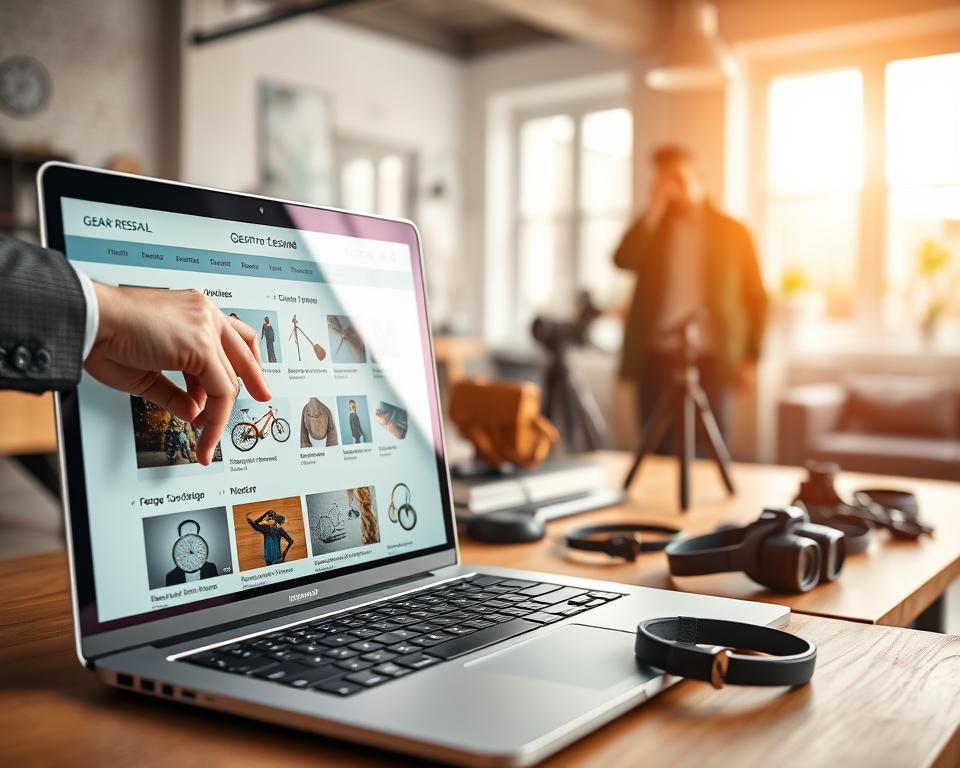
The secondary market is a great place to sell your used gear. I’m here to help you navigate it. With online marketplaces growing, selling your gear is now easier than ever. It’s perfect for upgrading or decluttering.
Choosing the Right Platform for Selling
Choosing the right platform to sell your gear is key. Sites like eBay, Craigslist, and forums for your gear type are popular. For musical gear, Reverb.com is a top choice. Look at fees, user base, and reputation.
Some sites focus on specific gear, like outdoor gear on GearTrade or REI’s Used Gear section. Read reviews and understand each platform’s terms for a smooth sale.
- Research popular gear resale platforms
- Consider fees and user demographics
- Choose platforms that specialize in your type of gear
Tips for Preparing My Gear for Sale
Before listing, prepare your gear well. Start by thoroughly cleaning your equipment. Check for damage and fix minor issues to increase value. Keep original packaging, manuals, and accessories to enhance your listing.
Take clear photos from different angles and write a detailed description. Be honest about your gear’s condition to build trust. Add extra info like history or modifications.
- Clean and inspect your gear
- Gather original accessories and packaging
- Take clear, well-lit photos
Setting Fair Prices to Attract Buyers
Setting the right price is key to attracting buyers. Research similar listings to find a competitive price. Consider original price, condition, and comparable sales. Be prepared to negotiate and start with a slightly higher price.
Watch market trends and seasonal demand, as they impact price. For example, winter gear is more sought after in cold months. Use pricing guides or consult experts if unsure about your gear’s value.
| Factor | Impact on Price |
|---|---|
| Condition | Directly affects price; better condition = higher price |
| Original Packaging and Accessories | Increases appeal and potentially the price |
| Market Demand | Higher demand = higher price |
By following these tips and using the right platform, you can sell your gear successfully. Happy selling!
Ensuring Quality and Authenticity in Purchases
When you buy gear from the secondary market, it’s key to check its quality and authenticity. As a smart buyer, knowing the risks helps you avoid them.
Recognizing Red Flags in Listings
Start by spotting red flags in listings. Watch out for:
- Prices that are way too low
- Bad or missing descriptions
- Low-quality images or staged photos
- Sellers who are too pushy or won’t share details
These signs might mean the product is fake or low-quality. Always check the seller’s reputation and read other customers’ reviews.
Verifying the Authenticity of Brand Names
To avoid fakes, make sure the brand is real. Look for:
- Official logos and branding on the product and packaging
- Serial numbers or certification labels
- Proof or receipts from authorized dealers
Learn about the brand and how it checks for authenticity. You can also contact the brand to confirm the product’s realness.
Importance of Seller Ratings and Feedback
Seller ratings and feedback are key for a good deal. Look for sellers with:
- High ratings (95% or higher)
- Many reviews
- Good feedback on product quality and shipping
Good seller ratings help you avoid bad sellers. Always ask the seller if you have questions or worries.
By doing your homework, you can find high-quality, genuine gear in the secondary market. Happy shopping!
How to Care for My Secondary Market Gear
Buying from a gently used gear store means you need to take care of your gear. I’ve shopped at many secondhand outdoor gear shops. Keeping your gear in good shape is very important.
Regular Maintenance Tips
Keeping your gear in top shape is key. Here are some tips:
- Regularly check your gear for wear and tear.
- Store it in a dry, cool place to avoid moisture damage.
- Always follow the manufacturer’s maintenance and repair guidelines.
Cleaning Procedures for Different Materials
Each material needs its own cleaning method. For example, nylon or polyester gear can be cleaned with mild soap and water. But, gear made from delicate materials might need special cleaners.
Outdoor Magazine said, “Proper cleaning and care can really make your gear last longer.” This is even more true for gear from a gently used gear store, as it’s already been used a lot.
“The longevity of your gear is directly related to how well you care for it.”
Safeguarding Gear for Longevity
To keep your gear lasting, handle it with care. Don’t expose it to extreme temperatures or conditions. Store it properly when not in use, and consider protective cases or covers.
By following these tips, you can enjoy your gear for a long time. This makes buying from a secondhand outdoor gear shop a smart choice.
The Best Times to Buy Secondary Market Gear
To save money on affordable secondary market gear, knowing when to buy is key. The pre-owned equipment marketplace changes often. Prices shift based on demand, the season, and more.
Seasonal Sales and Events
Seasonal sales and events are great times to buy. Sellers often discount items during holidays or at the end of a season. For example, winter sports gear is cheaper in late February or early March.
Black Friday and Cyber Monday also bring discounts. Knowing about these events helps you save.
Timing My Purchases for Maximum Savings
When you buy matters. Buying out-of-season gear can save a lot. For example, winter gear in April or summer gear in October is cheaper.
- Buy out-of-season to save on seasonal gear.
- Look for end-of-model-year sales for the latest technology.
- Take advantage of clearance sales to stock up on non-perishable items.
Insights on Market Trends
Knowing market trends helps you make smart buys. Trends affect demand and prices. For example, popular brands or models might cost more.
Keep up with trends to find the best buys. Follow market news, read reviews, and join forums. This gives you insights.
By watching for sales, timing your buys, and knowing trends, you can get affordable secondary market gear. You’ll find what you need without spending too much.
Personal Experiences with Secondary Market Gear
I’ve spent years exploring the secondary market for gear. I’ve found amazing deals and unique items. It’s saved me money and opened up a world of quality gear I might have missed.
My Favorite Finds and Stories
I once found a vintage camera at a thrift store for a steal. After fixing it up, it became a key part of my photography. Stories like this are common in the secondary market, where patience pays off.
Online marketplaces have also been a goldmine. I’ve found everything from hiking gear to rare collectibles. Knowing what to look for and where is key.
Lessons Learned from Past Purchases
Inspecting gear before buying is essential. Look for wear and check if it’s real. This saves a lot of hassle later.
Negotiation is another skill I’ve honed. Many times, prices can be lowered. This can save a lot of money.
| Gear Type | Average Price (New) | Average Price (Secondary Market) | Savings |
|---|---|---|---|
| Cameras | $800 | $400 | 50% |
| Hiking Gear | $200 | $120 | 40% |
| Musical Instruments | $1,000 | $600 | 40% |
How Secondary Market Gear Has Improved My Life
Secondary market gear has saved me money and added to my life. I’ve taken amazing photos with my vintage camera and gone on great hikes. It’s been a game-changer.
Being part of this community has also connected me with others. We share a love for smart shopping and sustainability. It’s a community that values creativity and resourcefulness, and I’m grateful to be a part of it.
The Future of the Secondary Market Gear
More people are choosing sustainable options, leading to a big increase in the secondary market for gear. This is because of growing environmental awareness, wanting to save money, and the charm of unique or vintage items.
Trends Influencing the Resale Market
Several trends are shaping the secondary market gear industry. One big trend is the rise of online marketplaces for buy used outdoor gear. These sites help people find and buy second-hand gear, making the market bigger.
Another trend is the growing focus on sustainability. People are becoming more eco-friendly, which boosts demand for outdoor gear consignment services. These services help reuse and recycle gear.
Predictions for Gear Popularity
Figuring out what gear will be popular in the future involves looking at current trends and what people like. For example, gear that lasts long, is good for the planet, and has the latest tech will likely be sought after.
Also, vintage or retro gear might become more popular. People want unique items that have a story behind them.
The Role of Technology in Resale
Technology is key in the growth of the secondary market gear industry. Online platforms and mobile apps help buyers and sellers meet, making deals easier and the market bigger.
Technology also improves the resale process. It includes features like authentication services. These services check if high-end or branded gear is real, building trust among buyers.
Conclusion: Embracing the Secondary Market Gear
Reflecting on my journey with secondary market gear, I see it as a game-changer. It offers quality preloved equipment at affordable prices. This choice is not only budget-friendly but also sustainable.
Key Takeaways
Purchasing secondary market gear has many benefits. You save money and help the planet by reducing waste. This choice also lowers the demand for new, resource-intensive products.
Exploring the Market
I urge you to begin your journey in the secondary market today. Whether you need outdoor gear, electronics, or sports equipment, there’s plenty to find. With the right approach, you can discover great deals that fit your needs.
Sustainable Choices
Choosing secondary market gear is good for the environment. It supports a circular economy and reduces the ecological impact of making new products. This choice is a step towards a greener future.