


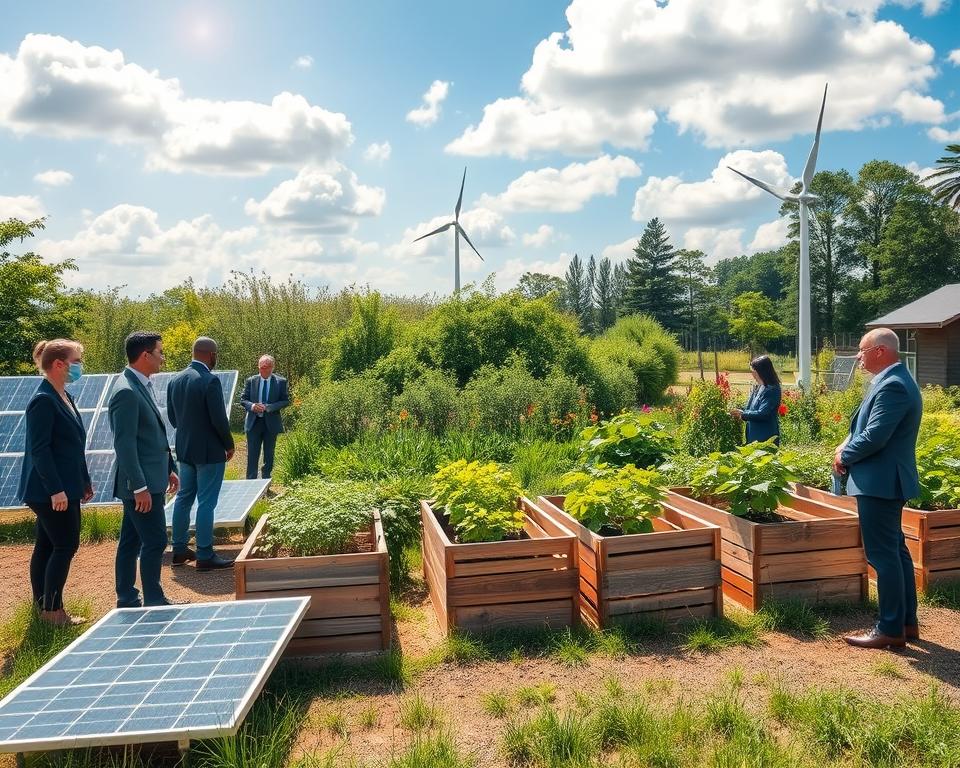
Did you know the average American creates about 16 tons of CO2 each year? This fact shows how important it is to use eco-friendly practices every day. I’m starting this journey to show you how to live in a way that helps our planet.
Learning and using sustainable solutions can really help our environment. This article will show you how to lessen our impact on the planet. We’ll look at ways to use less energy and better ways to travel.
Key Takeaways
- Adopting eco-friendly practices can significantly reduce our carbon footprint.
- Sustainable solutions are key for a healthier planet.
- Small changes in our daily lives can lead to a greener future.
- Using less energy is a big step in cutting down CO2.
- Choosing eco-friendly ways to travel can make a big difference.
Understanding CO2-Free Methods
As we face climate change, knowing about CO2-free methods is key. These methods help reduce or remove carbon dioxide emissions. This helps lessen the effects of climate change.
What Are CO2-Free Methods?
CO2-free methods are carbon-neutral strategies that cut down CO2 emissions. They use green technology and environmentally conscious techniques in areas like energy, transport, and farming.
Using CO2-free methods can greatly lower our carbon footprint. This makes our environment cleaner and fights climate change.
The Importance of Reducing Carbon Emissions
Lowering carbon emissions is essential for our planet’s health. High CO2 levels cause global warming. This leads to sea level rise, extreme weather, and loss of species.
CO2-free methods help reduce emissions and slow global warming. We need to switch to renewable energy sources, use energy wisely, and support green practices.
It’s critical to cut down carbon emissions. We all must work together. This means using environmentally conscious techniques and making a big difference.
Benefits of CO2-Free Methods
CO2-free methods bring many benefits to our daily lives and the planet. They help us reduce our carbon footprint and make the environment healthier.
Environmental Advantages
CO2-free methods are great for the environment. They cut down on carbon emissions, which means less air pollution. This is good for our health and the planet.
Using renewable energy like solar and wind power is another benefit. It helps us use less fossil fuels and protect our environment.
Key environmental benefits include:
- Reduced greenhouse gas emissions
- Conservation of natural resources
- Improved air quality
- Protection of biodiversity

Economic Incentives
CO2-free methods also have economic benefits. They can save us money and create jobs. For example, using energy-efficient appliances can lower our utility bills.
The green economy is growing, creating new jobs and driving innovation. This helps our economy grow and thrive.
| Economic Benefits | Description | Impact |
|---|---|---|
| Cost Savings | Reduced energy consumption through efficient technologies | Lower utility bills |
| Job Creation | Emergence of new industries and jobs in the green sector | Economic growth and employment opportunities |
| Innovation | Advancements in green technology and sustainable practices | Improved competitiveness and efficiency |
By choosing CO2-free methods, we win for both the environment and our economy. Let’s keep exploring and using climate-conscious methods for a sustainable future.
CO2-Free Energy Sources
We’re moving towards a greener future, and CO2-free energy is key. We’re leaving fossil fuels behind and focusing on renewable energy. Let’s look at solar, wind, and hydroelectric power as our main CO2-free options.
Solar Power
Solar power is a big hope for our future. It uses the sun’s energy to make electricity without any bad gases. Solar panels are getting better and cheaper, making it easy for people and businesses to switch.
Solar power is great because it’s clean and cuts down on fossil fuel use. As tech gets better, solar panels will work even more efficiently. This makes solar power a solid choice for our energy needs.
Wind Energy
Wind energy is another important CO2-free source. Wind turbines turn wind into electricity, cutting down our carbon footprint. Wind farms are popping up on land and in the sea, giving us a lot of clean energy.
Wind energy is good because it can grow and doesn’t pollute. But, we need to solve problems like wind being unpredictable and finding the right spots for wind farms.
Hydroelectric Power
Hydroelectric power is a trusted CO2-free source. It uses water’s movement to make electricity. Hydroelectric dams are a main way to do this, giving us steady and clean energy.
Hydroelectric power is great for constant energy and low costs. But, building dams can harm nature and people. We must think about these effects when building dams.
In short, solar, wind, and hydroelectric power are essential for a greener future. They help us use less fossil fuel and fight climate change. By choosing these green options, we can make our energy cleaner and more sustainable.
CO2-Free Transportation Options
The move towards CO2-free transportation is growing fast. This is thanks to electric vehicles and better public transit. Using eco-friendly ways to get around is key to cutting our carbon footprint.
Electric Vehicles
Electric vehicles (EVs) lead the way in CO2-free travel. Switching to EVs cuts down emissions a lot. They’re good for the planet and save money too.
A report by the International Energy Agency (IEA) shows over 7 million electric cars in 2019. It predicts more growth. Governments are helping by giving incentives and funding for EVs.
“The future of transportation is electric. As technology advances and economies of scale improve, electric vehicles will become increasingly accessible to consumers around the world.”
EVs offer many benefits:
- Zero tailpipe emissions
- Lower operating costs compared to traditional vehicles
- Potential for renewable energy integration
Public Transit Solutions
Good public transit is also key to CO2-free travel. Better public transport means fewer cars on the road, which cuts emissions.
| City | Public Transit System | Emissions Reduction |
|---|---|---|
| New York City | Subway | 30% reduction in emissions |
| Los Angeles | Metro Rail | 25% reduction in emissions |
| Seattle | Light Rail | 20% reduction in emissions |
Investing in public transit cuts emissions and improves air quality. It also makes city life better for everyone.
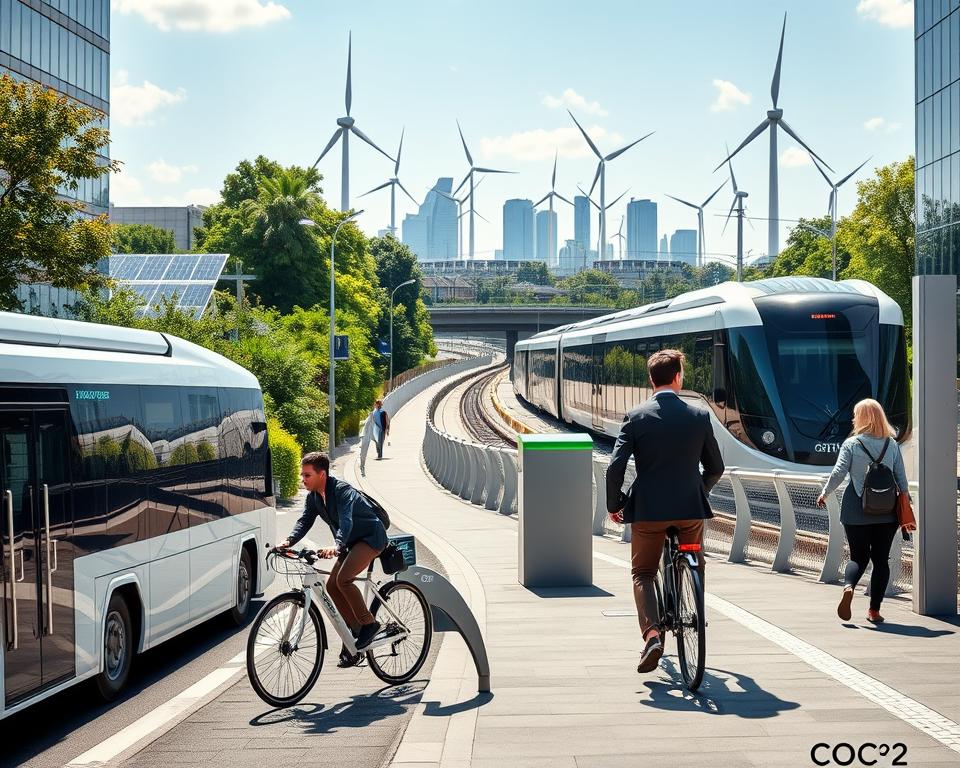
As we look ahead, we must keep investing in green transport. This will help us build a sustainable and eco-friendly transport system.
Implementing CO2-Free Practices at Home
Starting my journey to a greener lifestyle, I focus on making my home CO2-free. By using earth-friendly approaches, I can cut down my home’s carbon footprint a lot.
To make my home greener, I look into renewable energy solutions. Solar panels, for example, are a clean way to make electricity.
Renewable Energy Solutions
Renewable energy options are getting cheaper and easier to get. With solar panels or community solar programs, I can use less fossil fuel and save on bills.
Benefits of renewable energy include:
- Less carbon emissions
- Lower energy costs over time
- More energy independence
Energy-Efficient Appliances
Using energy-efficient appliances is also key to a CO2-free home. These appliances use less energy but work just as well.
When buying new appliances, I check for the ENERGY STAR label. It shows they meet energy standards set by the U.S. Environmental Protection Agency.
By mixing renewable energy with energy-efficient appliances, I make my home more sustainable. This helps the planet and improves my life too.
Choosing climate-conscious methods and low-carbon alternatives in daily life helps our planet. It makes the world a cleaner, healthier place for the future.
CO2-Free Methods in Agriculture
Agriculture is key in using CO2-free methods to help the environment. It’s a big part of our planet’s health. By using sustainable solutions and eco-friendly practices, we can cut down on greenhouse gases.
Farming is more than growing food; it’s about keeping our planet healthy. By choosing CO2-free methods, farmers can use less fossil fuel. This helps make our air cleaner. “The future of agriculture is not just about yield; it’s about sustainability,” many farmers and experts say, pushing for green technology in farming.
Sustainable Farming Techniques
Using sustainable farming techniques is important for our planet. These include crop rotation, organic amendments, and conservation tillage. They help the soil, reduce erosion, and support different species. This way, farmers can grow more food while harming the environment less.
One big plus of these techniques is they help keep carbon in the soil. Cover crops and adding organic matter to the soil make the soil better. They also help take carbon dioxide out of the air.
Organic Practices
Organic farming is also key in CO2-free agriculture. It avoids synthetic fertilizers and pesticides. This means less energy is used and fewer emissions are made. Organic farming also helps keep nature in balance and saves biodiversity.
Choosing organic farming also helps local food systems and makes food better. As more people want organic food, more farmers are turning to organic methods. This is good for the planet and for our health.
“The shift towards organic and sustainable farming is not just a trend; it’s a necessary step towards a more sustainable food system,” said by a leading figure in sustainable agriculture.
In conclusion, using CO2-free methods in agriculture is a big step towards a greener future. Sustainable farming and organic practices are key. We must keep supporting and using these methods for a better future in agriculture.
Industry Adoption of CO2-Free Methods
Industries worldwide are working hard to cut their carbon footprint. They are using CO2-free methods to be more sustainable. Companies in different sectors are adding green techniques to their work.
Case Studies from Leading Companies
Many top companies are using CO2-free methods. For example, Microsoft aims to be carbon neutral by 2030. They do this by using less energy and investing in green energy.
Unilever has a big plan to cut its carbon footprint. They use green energy and make their supply chain more sustainable. These companies show it’s possible to lower carbon emissions with the right plans.
Google has been carbon neutral for over a decade. They buy renewable energy credits and invest in green projects. Their success shows that big goals can be reached with the right steps.
| Company | CO2 Reduction Strategy | Target Year |
|---|---|---|
| Microsoft | Renewable energy, energy efficiency | 2030 |
| Unilever | Sustainable supply chain, renewable energy | 2030 |
| Renewable energy credits, renewable energy projects | 2007 (already achieved) |
Challenges and Solutions
Even with successes, industries face big challenges. One is the high cost of green technologies. But, companies like Amazon are investing in carbon removal technologies and green projects.
Another challenge is finding skilled workers for these new techs. Companies are solving this by training their staff. They teach them about green practices and new energy-saving techs.
By going green, industries can lower their environmental impact. They also save money and improve their reputation. As more companies follow these leaders, the global impact on carbon emissions will grow.
CO2-Free Methods in Urban Development
CO2-free methods are changing how cities are built and run. As cities grow, it’s key to use green practices. This makes living better and helps the planet.
Using earth-friendly approaches and low-carbon alternatives cuts down on harm to the environment. It makes life better for people and helps our planet.
Green Building Design
Green building is a big part of making cities better. It means building places that save energy and use eco-friendly materials. This helps the environment a lot.
Some important parts of green building are:
- Energy-saving systems and renewable energy
- Using materials and practices that are good for the planet
- Conserving water and reducing waste
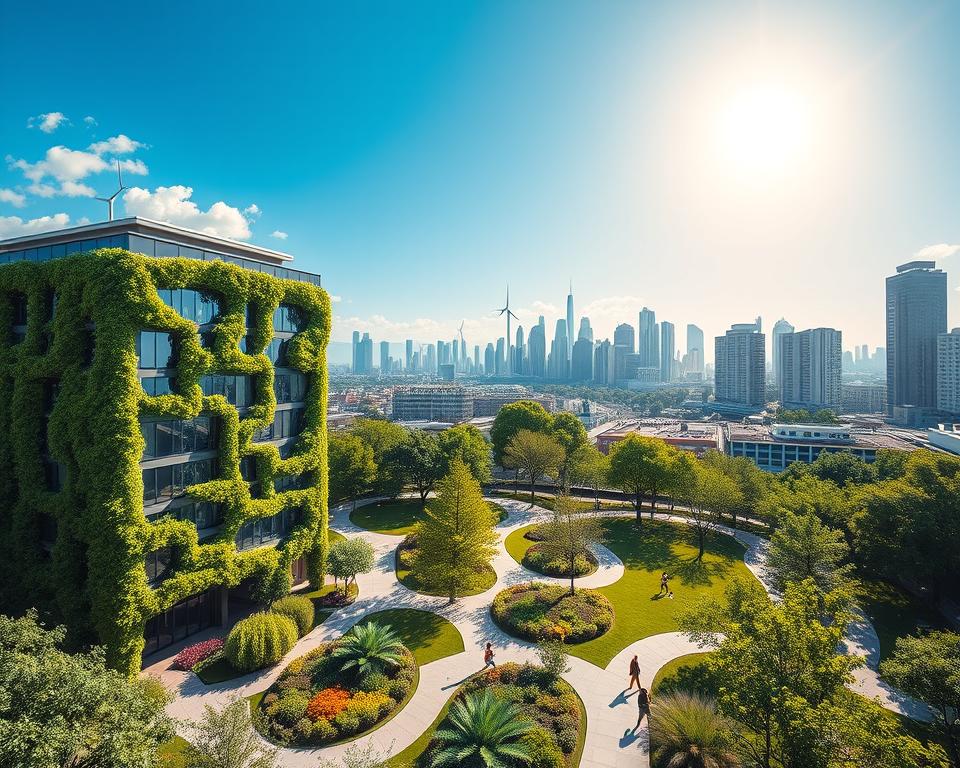
Worldwide, cities are using solar panels and green roofs. These are great examples of green building.
Sustainable City Planning
Planning cities to be green and good for people is key. This means having parks, using public transport, and smart energy systems. It makes cities better places to live.
Creating a green city involves many parts working together. This includes:
| Strategy | Description | Benefits |
|---|---|---|
| Green Spaces | Parks and gardens that cool cities down | Better air, more wildlife |
| Public Transportation | Good public transport that cuts down car use | Less traffic, fewer emissions |
| Energy-Efficient Infrastructure | Buildings and streets that use less energy | Save money, lower carbon |
By using these sustainable solutions, cities can be better for everyone. They show us how to build a greener future.
How Individuals Can Advocate for CO2-Free Methods
We all have the power to help make the future greener. By choosing eco-friendly options every day, we can cut down on carbon emissions. Joining local efforts to go green is a great way to help.
Community Initiatives
Local groups are key in spreading the word about living green. You can help in many ways, like:
- Joining groups for clean-ups, planting trees, and other green activities.
- Being part of community solar projects that share the benefits of solar power.
- Pushing for green technology in local businesses and homes.
Many places are working on reducing waste and boosting recycling. By joining these efforts, you can make a big difference. Learn more about how to get involved on sites like David Suzuki Foundation.
Policy Support
It’s also important to back policies that support green living. Here’s how:
- Keep up with local and national climate and energy policies.
- Reach out to your reps to show support for green laws.
- Speak up at public meetings and hearings on climate issues.
Supporting laws that push for green technology and clean energy can lead to big changes. It’s vital to stay active and encourage others to join in. Together, we can make a real difference.
In short, we can all play a big role in making the future greener. By supporting local efforts and backing green policies, we can create a better world for all.
The Role of Technology in CO2-Free Methods
Technology is leading the fight against climate change. It’s making CO2-Free Methods more common. As we keep improving, we’re getting closer to a green energy future.
Clean energy technologies are key to this fight. Solar, wind, and hydroelectric power are getting better and cheaper. For example, solar panels are now more affordable thanks to new tech.
Innovations in Clean Energy
New ideas in clean energy aren’t just about making power. Advances in storing energy, like better batteries, are also important. They help us use energy when we need it, not just when it’s made.
“The future of energy is not just about generating power, it’s about storing it efficiently and making it accessible to all.” –
Smart grid technology is another big area of progress. It makes energy distribution better and more reliable. Smart grids use new tech to manage energy and predict needs.
Smart Grid Technology
Smart grid tech is changing how we handle energy. It uses real-time data to make energy use more efficient. This makes the grid work better and keeps energy flowing smoothly.
| Technology | Benefits | Impact |
|---|---|---|
| Advanced Solar Panels | Increased Efficiency, Lower Costs | Higher Adoption Rates |
| Smart Grid Systems | Improved Reliability, Enhanced Efficiency | Better Energy Management |
| Energy Storage Systems | Stable Energy Supply, Reduced Waste | Greater Grid Stability |
As we keep working on these techs, we’re getting closer to a world without carbon emissions. Technology plays a big role in making this happen. Its growth is essential for our success.
Future of CO2-Free Methods in the United States
The United States is set to embrace CO2-Free Methods more than ever. This is thanks to a growing need for sustainable and eco-friendly practices. We’ll see more use of renewable energy like solar and wind power. This will help us use less fossil fuels and cut down on carbon emissions.
Emerging Trends
New trends will shape the future of CO2-Free Methods. Technology will get better, making renewable energy more efficient. Also, policies will support using climate-friendly methods more widely. Electric cars and public transport will become more common, cutting down on emissions from cars.
Taking Action
We all have a big role in making this change happen. By backing policies that support sustainability and using eco-friendly practices, we can make a big difference. I urge everyone to stay updated, push for climate-friendly actions, and help create a greener future for the United States.