


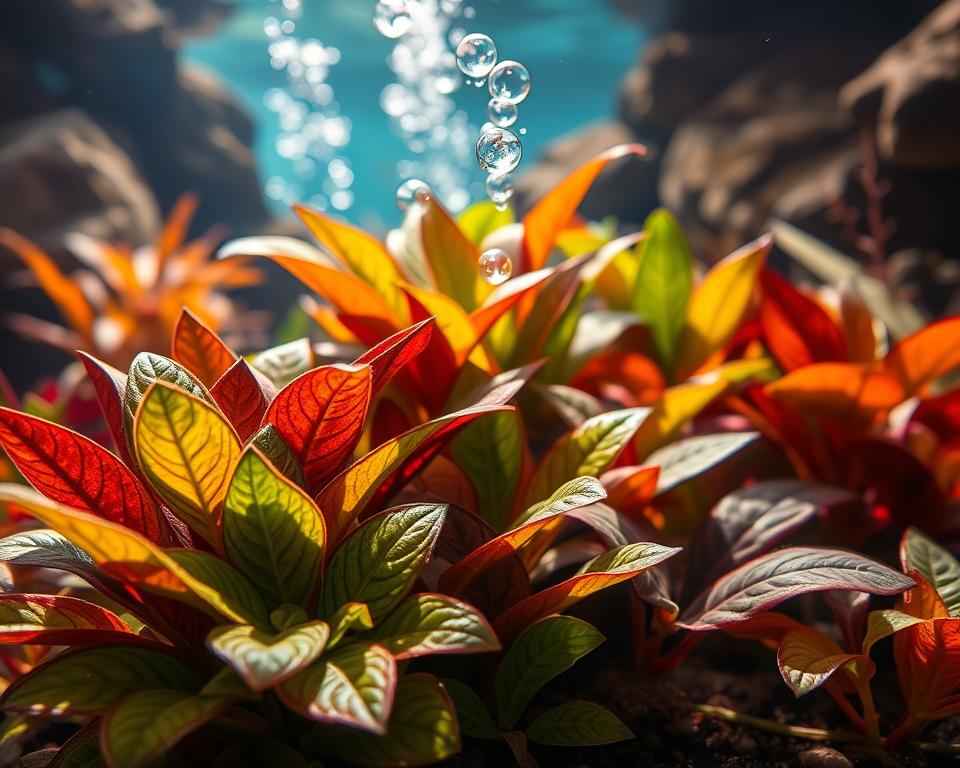
As an aquarium enthusiast, I’m excited to share with you the fascinating world of Cryptocoryne species. These plants are known for their unique beauty and versatility. With over 60 species, they come in a wide range of shapes, sizes, and colors. This makes them a favorite among aquarists.
Whether you’re a seasoned aquarist or just starting out, adding Cryptocoryne Varieties to your aquarium can elevate its elegance. In this guide, we’ll explore the different types of Cryptocoryne plants. We’ll also cover their environmental needs and tips for care.
Key Takeaways
- Discover the diverse range of Cryptocoryne species and their unique characteristics.
- Learn about the environmental requirements for thriving Cryptocoryne plants.
- Understand the basics of caring for Cryptocoryne Varieties in your aquarium.
- Explore tips for propagating Cryptocoryne plants.
- Find out how to incorporate Cryptocoryne into your aquatic setup for a stunning display.
Introduction to Cryptocoryne Varieties
Cryptocoryne plants are known for their stunning leaves and ability to thrive in many water environments. They come from tropical areas and are a favorite in aquariums for their beauty and flexibility.
What Are Cryptocoryne Plants?
Cryptocoryne plants are a group of water plants in the Araceae family. They have ornamental leaves in different shapes, sizes, and colors. This makes them a hit among aquarium fans. They live in slow-moving waters and marshes in the wild.
Importance in Aquatic Ecosystems
Cryptocoryne plants are key to keeping their ecosystems balanced. They offer shelter and food for many water creatures, boosting their environment’s diversity. They also help keep water quality good by growing well in low light and stopping algae from growing too much.
Overview of Varieties
There are many Cryptocoryne varieties, each with its own special traits. Favorites include Cryptocoryne wendtii, Cryptocoryne longicauda, and Cryptocoryne affinis. These plants offer a variety of leaf types, from wide to long and thin.
These different Cryptocoryne types fit various aquarium setups. This lets hobbyists pick the best plants for their tank’s look and conditions.
Popular Cryptocoryne Varieties
Cryptocoryne is a standout among aquatic plants for its variety and adaptability. For those who love aquariums, knowing the different Cryptocoryne species is essential. It helps in creating a vibrant underwater world.
The appeal of Cryptocoryne varieties comes from their unique traits and growth patterns. Aquarium hobbyists have a few favorites among these species.
Cryptocoryne wendtii
Cryptocoryne wendtii is a favorite for many. It thrives in different lighting, fitting well in various aquariums. Its leaves can change color, from green to reddish-brown, making the tank more interesting.

Cryptocoryne longicauda
Cryptocoryne longicauda is loved for its long leaves. It’s easy to care for and can grow tall. This makes it perfect for the background of big aquariums.
To keep Cryptocoryne longicauda healthy, it needs the right soil and stable water.
Cryptocoryne affinis
Cryptocoryne affinis adds beauty to any aquarium with its unique leaf patterns and colors. It prefers moderate light and nutrient-rich soil.
By mixing different Cryptocoryne varieties, aquarium lovers can build a diverse and stunning underwater scene.
Environmental Requirements for Growth
Cryptocoryne Varieties need specific conditions to grow well. To make a great environment, you must know about lighting, water quality, temperature, and substrate.
Lighting Needs
Cryptocoryne plants can handle different light levels. But, they need the right amount of light to grow. Low to moderate lighting is best, as too much light can cause algae on the leaves. Some species even do well in low light, perfect for aquariums with less light.
- Low light: Suitable for species like Cryptocoryne parva.
- Moderate light: Ideal for most Cryptocoryne Varieties, promoting healthy growth without excessive algae.
Water Quality and Temperature
Good water quality is key for Cryptocoryne plants. You should change the water regularly and check the water’s parameters. The best water temperature for most Cryptocoryne Varieties is between 72°F to 82°F (22°C to 28°C).
- pH levels: Slightly acidic to neutral (around 6.5-7.5).
- Water hardness: Moderate, as very soft water can lead to nutrient deficiencies.
Substrate Preferences
The substrate is important for Cryptocoryne plants’ roots and health. A nutrient-rich substrate with soil, sand, and gravel is best. It should hold nutrients but also let water flow well to avoid harmful buildup.
- A mix of clay and loam can provide necessary nutrients.
- Avoid using coarse gravel alone, as it may not retain enough nutrients.
By knowing and meeting these needs, you can make a great home for your Cryptocoryne Varieties. This will help them stay healthy and colorful.
Propagation Methods
Cryptocoryne varieties can be successfully propagated in several ways. Each method has its own benefits. As an aquarium enthusiast, you can grow your collection and share with others.
Division of Rhizomes
One popular way to propagate Cryptocoryne is by dividing the rhizomes. This means separating the rhizome into sections, ensuring each has a growing point. It’s a simple yet effective method for many Cryptocoryne species.
To do this, carefully remove the plant from the substrate without harming the roots. Use a sharp, sterile tool to divide the rhizome. Then, replant the sections in the substrate, making sure they’re well anchored.
Stem Cuttings
Stem cuttings are another method, though less common for Cryptocoryne. For some species, cutting the stem and replanting can lead to new plants. It’s important to make clean cuts above a node, where roots are most likely to grow.
After cutting, remove lower leaves that will be underwater to prevent rot and infection. Plant the cutting in suitable substrate. Keep it in a humid environment with the right lighting to help it root.
Seed Propagation
Seed propagation is challenging and not often used for Cryptocoryne. It’s hard to get viable seeds in aquarium conditions. But, for those who want to try, it’s important to mimic natural pollination and provide the right conditions for germination.
Seeds should be sown on a moist, sterile substrate. Keep it humid and provide the right lighting. This process requires patience and the right conditions.
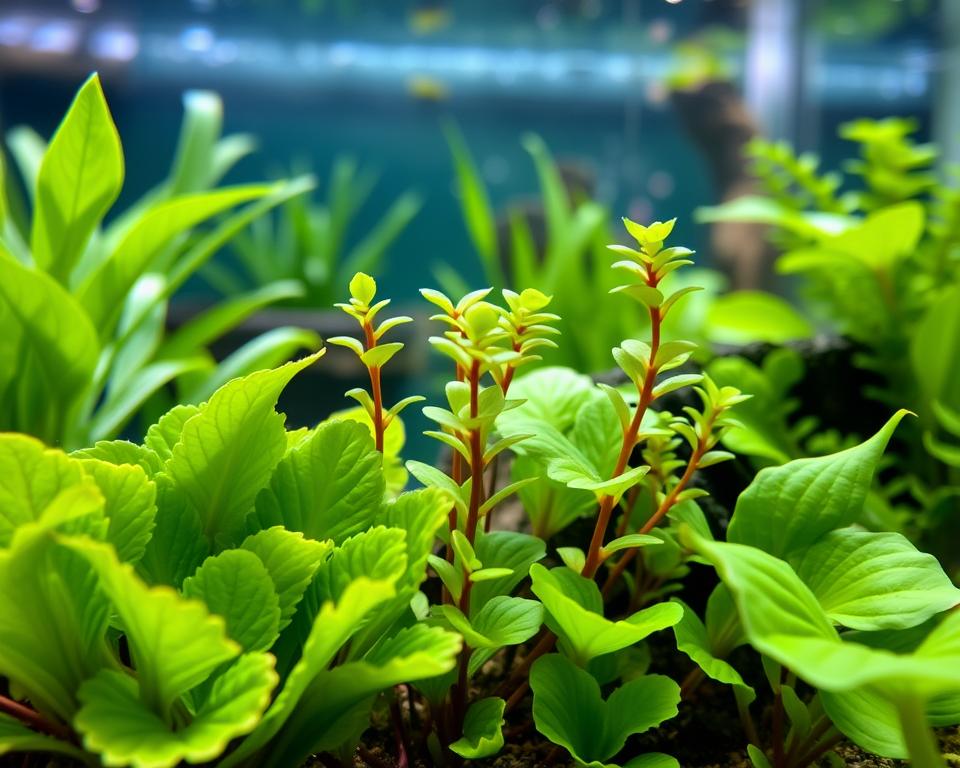
In conclusion, propagating Cryptocoryne varieties is rewarding. It lets you grow your collection and share with others. By knowing the different methods, you can pick the best one for your Cryptocoryne plant database.
Caring for Cryptocoryne Varieties
To keep your Cryptocoryne aquarium plant thriving, it’s essential to understand its specific care requirements. With various species available, each has its unique needs. But there are general guidelines that can help you provide the best care.
Cryptocoryne plants are known for their adaptability and beauty. They are a popular choice among aquarists. Their care involves more than just providing the right environment. It also requires attention to their nutritional needs, monitoring for pests and diseases, and adjusting care according to seasonal changes.
Nutrient Requirements
Cryptocoryne plants benefit from a nutrient-rich substrate. They are heavy feeders and require a diet rich in micronutrients and macronutrients. A balanced fertilizer that includes nitrogen, phosphorus, and potassium is essential. For more detailed information on fertilizing your aquarium plants, you can visit this resource.
| Nutrient | Function | Recommended Level |
|---|---|---|
| Nitrogen | Promotes leaf growth | Moderate |
| Phosphorus | Supports root development | Low to Moderate |
| Potassium | Essential for overall health | Moderate to High |
Common Pests and Diseases
Cryptocoryne plants can be susceptible to pests like snails and insects. Regular monitoring is key to catch any infestations early. Diseases can also affect these plants, often due to poor water quality or inadequate lighting.
- Regularly inspect your plants for signs of pests or disease.
- Maintain good water quality through regular changes and monitoring.
- Adjust lighting to meet the needs of your Cryptocoryne species.
Seasonal Care Tips
Different seasons can affect your aquarium’s environment, and your Cryptocoryne plants. Adjusting care according to seasonal changes can help maintain a healthy aquarium. For instance, during colder months, you may need to adjust the temperature and lighting to simulate a natural environment.
By understanding and meeting the needs of your Different types of Cryptocoryne, you can enjoy a thriving and diverse aquarium. Regular care and attention to the specific requirements of your plants will ensure they continue to flourish.
How to Incorporate Cryptocoryne in Your Aquarium
Adding Cryptocoryne Varieties to your aquarium can change the game for fish lovers. These plants come in unique shapes and sizes. They add depth and interest to any tank.
Ideal Tank Setup
Setting up the right tank for Cryptocoryne is key. You need to think about tank size, water conditions, and light. A 20-gallon tank is best for these plants.
“A well-balanced aquarium is not just about the fish; it’s also about the plants,”
says a famous aquarist.
Cryptocoryne Varieties do well in moderate to low light. This makes them perfect for tanks with less light or shaded areas. The water should be between 72°F to 82°F (22°C to 28°C), which is common for community tanks.
Companion Plants
Choosing the right plants to go with Cryptocoryne can make them grow better and look great. Plants like Java Moss, Anubias, and Ferns are good choices. They need similar light and water, making them great tankmates.
For instance, Java Moss can make a lush carpet. Anubias can be attached to rocks or driftwood, adding variety. Mixing these plants can make your aquarium balanced and beautiful.
Placement Strategies
Where you put Cryptocoryne Varieties in the tank is important for looks. Put taller ones in the back and smaller ones in the front. This makes the tank look deeper.
Remember to think about how big the Cryptocoryne will get. Don’t overcrowd the tank. This helps them grow well and keeps disease away. By placing them carefully, you can make a beautiful and healthy aquarium.
Challenges with Cryptocoryne Varieties
Cryptocoryne varieties are beautiful but can be tricky to care for. They are a favorite among aquarium lovers for their unique look. But, they also come with challenges that can make them hard to keep.
Common Issues Faced by Aquarists
A big problem is “Cryptocoryne melt,” where leaves dissolve. This usually happens when water or light changes. To avoid melt, it’s key to acclimate plants slowly to new settings.
Another issue is slow growth. Cryptocorynes grow slowly, and poor light, bad water, or lacking nutrients can slow them down more. Keeping the right nutrients and water quality helps them grow well.
Tips for Overcoming Challenges
To beat the challenges of Cryptocoryne varieties, follow these tips. First, keep a close eye on water levels and adjust as needed. Regular water changes and a stable environment can prevent many problems.
- Provide enough light that matches the Cryptocoryne’s needs.
- Use a nutrient-rich soil to help roots grow well.
- Don’t handle the plants too much, as it can stress them and cause melt.
By knowing the common problems and using these tips, aquarists can grow and keep their Cryptocoryne varieties well. With the right care, these plants can flourish and make any aquarium beautiful.
The Role of Cryptocoryne in Aquascaping
Cryptocoryne plants are key in making aquariums look amazing. They come in many types, making them perfect for adding depth and interest. This makes them a top choice for anyone wanting to enhance their aquarium.
Design Principles
When adding Cryptocoryne to your aquarium, think about a few things. First, know how big the plants will get. Make sure there’s enough room for them to grow. This keeps your aquarium looking good and balanced.
Key Considerations:
- Choose different Cryptocoryne species for a varied and interesting look.
- Make sure the plants get the right light. Your aquarium needs to support this.
- Use a good substrate for the plants’ roots to grow well.
Tom Barr, a famous aquarist, said, “A great aquascape is about plants and hardscaping working together.” This shows how important it is to balance everything in your aquarium.
“A well-designed aquascape is a true masterpiece. It combines art and science in a beautiful and thriving way.”
Creating Visual Interest
Creating interest in your aquarium is more than picking plants. You need to think about where to place them, their texture, and color. Cryptocoryne plants, with their different shapes and colors, can really make your aquarium stand out.
| Cryptocoryne Species | Leaf Color | Size |
|---|---|---|
| Cryptocoryne wendtii | Brown/Green | Medium |
| Cryptocoryne longicauda | Green | Large |
| Cryptocoryne affinis | Red/Brown | Small |
Maintenance Considerations
To keep Cryptocoryne plants healthy, check the water and nutrient levels often. Also, watch for pests. Prune or divide the plants when needed to keep them from getting too crowded and to help them grow well.
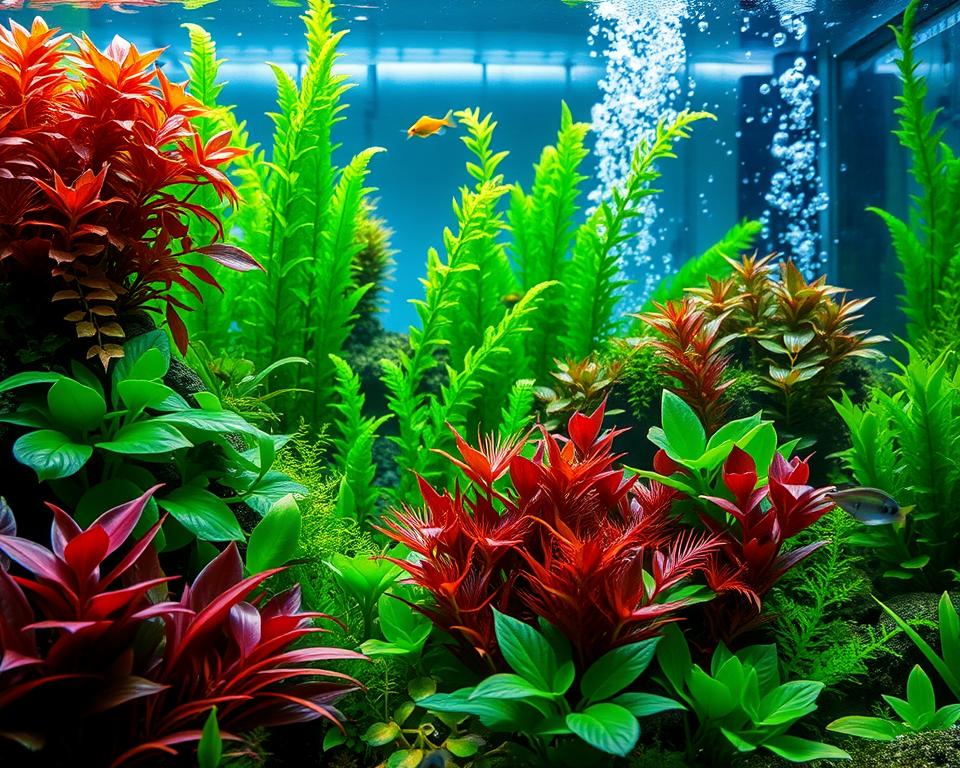
By understanding Cryptocoryne’s role in aquascaping and following these tips, you can make stunning aquariums. These aquariums will show off the beauty of these special plants.
Conclusion: Embracing Cryptocoryne Varieties
Reflecting on Cryptocoryne Varieties, I see endless opportunities for aquarium lovers. We have a vast Cryptocoryne plant database to explore. It shows us the many varieties and their special traits.
Choosing the Right Variety
When picking Cryptocoryne Varieties, think about lighting, water quality, and substrate. Knowing these needs helps you create the best space for your plant to grow well.
Sustainable Practices in the Aquarium Hobby
Enjoying Cryptocoryne Varieties means we must care for the environment. This includes buying responsibly, taking good care of our plants, and reducing waste. These actions help keep these plants and their homes healthy for a long time.
By loving Cryptocoryne Varieties and caring for our planet, we can keep enjoying their beauty and variety.