


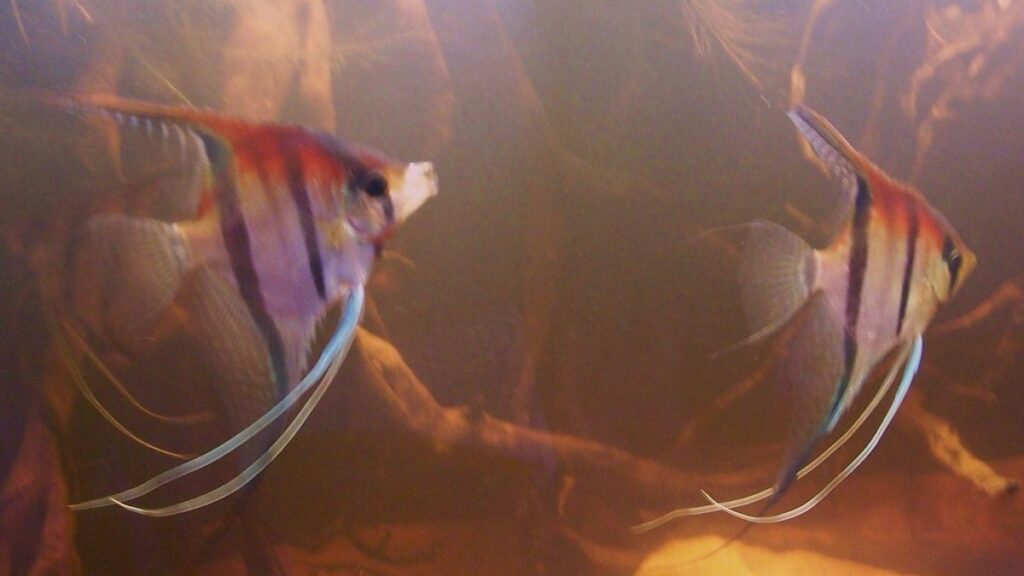
Walk along a slow forest stream and you will rarely see a bare, spotless bottom. You will see fallen leaves, twigs, seed pods and pieces of bark, slowly softening and tinting the water the color of weak tea. Many hardy aquarium fish come from places like that, and more and more fishkeepers are bringing a bit of that leaf litter into their tanks.
In this guide you will learn what botanicals are, what they actually do in a low-maintenance aquarium, which ones are easiest for beginners, how to prepare them, how much to add and what to watch for so your natural setup stays healthy instead of messy.
What botanicals are
In the aquarium hobby, “botanicals” is a broad name for dried plant material placed in the tank. The most common types are:
- Dried leaves, especially Indian almond leaves (catappa), oak leaves and beech leaves.
- Seed pods and cones, such as alder cones and various tropical pods sold for aquariums.
- Bark and twigs, often from oak, cholla wood or mangrove.
- Husks and shells, like coconut shell halves used as caves.
They are not living plants. Over weeks and months they soften, release natural compounds into the water and are slowly broken down by bacteria, fungi and small invertebrates. That breakdown is exactly what makes them interesting for a natural ecosystem tank.
What they do in the tank
They feed the microlife
As leaves soften, a thin film of bacteria and fungi grows on their surface. This film, sometimes called biofilm, is food for shrimp, snails and many small fish fry. In a tank with a good layer of leaf litter, shrimp can be seen picking at leaves all day, much like they would in the wild.
They release tannins
Many leaves and pods release tannins and other organic compounds that tint the water yellow, amber or brown. This is the classic “blackwater” look. Tannins are harmless to fish in normal amounts, and many species from soft, acidic waters seem more relaxed and colorful in tinted water. In soft water, tannins can also nudge the pH slightly downward, although in hard or well-buffered water the effect is usually small.
They add cover and natural behavior
A layer of leaves gives shy fish places to hide and explore. Small catfish, loaches, dwarf cichlids and bettas often use leaves as resting spots or territory markers. Fry and shrimplets hide between them and find food at the same time. A tank that looks a little wild often leads to more natural, confident behavior.
They are part of the nutrient cycle
Decomposing botanicals are slowly turned into simpler compounds that plants can use. In a balanced, lightly stocked tank, this becomes part of the same cycle that handles fish waste. The key word is balance: too much material at once can add more waste than the system can handle.
Easy botanicals for beginners
If you are new to this style, start with materials that are easy to find, predictable and slow to break down.
- Indian almond leaves. The most popular choice. They release a moderate amount of tannins and last several weeks before they start to fall apart.
- Oak and beech leaves. Tough and long-lasting. Many hobbyists collect them in autumn from areas far from roads and gardens that might use pesticides.
- Alder cones. Small, strong tannin release, last a long time and fit nicely in nano tanks.
- Cholla wood. A hollow, woody skeleton that shrimp love to graze on. It softens slowly over months.
Avoid leaves from plants you cannot identify, leaves from ornamental plants that may be toxic, anything that was treated with chemicals and anything collected near busy roads, farms or sprayed lawns.
How to prepare botanicals
Preparation removes dust, surface dirt and some of the initial tannins, and helps the material sink.
Basic steps
- Rinse each item under running tap water to remove dust and loose particles.
- Soak or boil. Tough items like cones, pods and bark can be boiled for several minutes. Delicate leaves can simply be soaked in hot water until they soften.
- Let them cool in clean water. Many leaves will sink after a day or two of soaking.
- Discard the first water. It will usually be dark with tannins and fine debris.
Leaves you collected yourself benefit from a longer soak and a careful look for insects, mud or mold. If something smells unpleasant or looks slimy before it even goes into the tank, leave it out.
How much to use and where to put it
Start small
In an established tank, start with just a few leaves or one or two pods. Watch the water for a week or two. If clarity, smell and fish behavior stay normal, you can add a bit more. A light, single layer of leaves in one area of the tank is plenty for most beginners.
New tanks
In a brand new tank that is still cycling, it is better to add botanicals in small amounts and only after the cycle is established. A big pile of decomposing material in an immature tank adds extra waste at the worst possible time.
Placement
- Place leaves in an open area of substrate where you can see them and remove them easily.
- Keep a clear path for water flow so the material does not trap stagnant pockets of debris.
- Tuck cones and pods near rocks or wood where shrimp and small fish can graze.
- In a tank with a filter intake, keep loose leaves away so they do not block the intake.
What to watch for
Botanicals are generally simple to manage, but they change over time. Keep an eye on these points:
- White fuzz on new leaves. A soft white or gray film often appears in the first days. It is usually harmless fungus that shrimp and snails eat. If it lasts more than a week or grows thick, remove that item.
- Cloudy water or bad smell. This means too much material is breaking down at once. Remove some botanicals and do a partial water change.
- Very dark water. Some people love it, others do not. If you want lighter water, use fewer botanicals or add a small amount of activated carbon to your filter.
- pH shifts in soft water. In tanks with very soft water, many botanicals can lower pH noticeably. Test from time to time, especially if you keep sensitive species.
- Falling apart leaves. When leaves become thin skeletons, you can leave them for the microlife or replace them. Many hobbyists simply add a fresh leaf now and then rather than replacing everything at once.
Fish and invertebrates that enjoy leaf litter
Not every tank needs botanicals, but some animals clearly benefit from them. Cherry shrimp and other dwarf shrimp spend hours grazing on soft leaves. Bettas, gouramis and many small tetras come from slow, tinted waters. Corydoras, kuhli loaches and small catfish forage through the leaf layer. Dwarf cichlids such as Apistogramma often claim territories among leaves. If you keep any of these, a modest layer of leaf litter is an easy way to make their environment feel more natural.
Summary
Botanicals bring a small piece of a real forest stream into your aquarium. Dried leaves, cones, pods and bark feed shrimp and fry through biofilm, tint the water with tannins, provide cover and become part of the tank’s natural nutrient cycle. Start with easy options like Indian almond leaves, oak leaves, alder cones and cholla wood, rinse and soak them before use, and add only a few at a time to an established tank. Watch for cloudiness, odor and pH changes in soft water, remove anything that looks wrong and refresh leaves gradually. Used with a light hand, botanicals are one of the simplest ways to make a low-maintenance tank look and work more like a natural ecosystem.
Photo: Biotope aquarium – Pterophyllum sp. Manacapuru, by Ewkaa, license CC BY-SA 4.0, via Wikimedia Commons. Cropped.