


Did you know that a single species can significantly impact environmental equilibrium? Losing a key species can start a chain reaction, upsetting the whole ecosystem. I’m passionate about keeping our environment healthy, and I’ve learned how vital ecosystem balance is.
It’s key to keep biodiversity in check. We must understand how different species and their environment interact. In this article, I’ll share my best tips for environmental equilibrium and a thriving ecosystem.
Key Takeaways
- Understand the importance of achieving ecosystem balance
- Learn how to maintain biodiversity
- Discover my top tips for promoting environmental equilibrium
- Find out how to create a healthy ecosystem
- Explore the impact of species loss on the environment
Understanding Ecosystem Balance
Maintaining ecosystem balance is a complex task. It involves understanding the relationships between species and their environment. Human activities also play a big role in this balance.
Ecosystem balance means the interactions in an ecosystem are stable and sustainable. This is key for the health and resilience of ecosystems.
What is Ecosystem Balance?
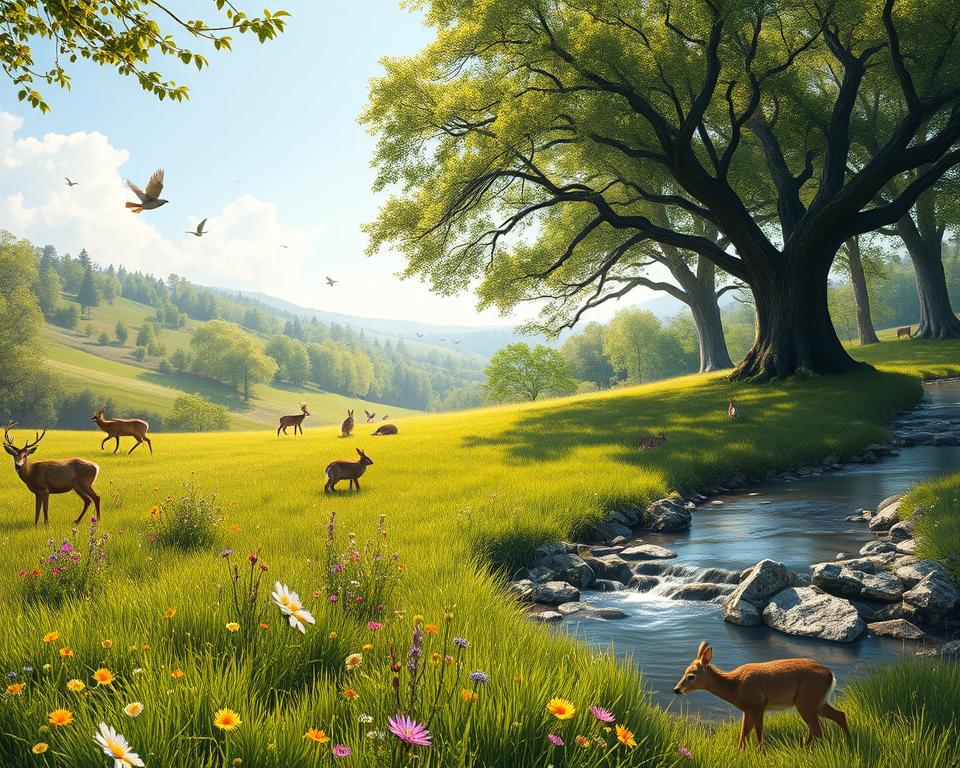
Ecosystem balance happens when living and non-living parts of an ecosystem work together in harmony. This harmony is marked by biodiversity harmony. Different species play their roles without disrupting the ecosystem.
In a forest, trees offer shelter and food to animals. Animals help with seed dispersal and nutrient cycling. This mutualistic relationship is vital for ecological stability.
Importance of Biodiversity
Biodiversity is essential for ecosystem balance. A diverse range of species makes ecosystems resilient to changes. They can recover from disturbances.
The importance of biodiversity is seen in ecosystem services like pollination, pest control, and nutrient cycling.
| Ecosystem Service | Description | Benefit |
|---|---|---|
| Pollination | Transfer of pollen between plants | Facilitates plant reproduction |
| Pest Control | Regulation of pest populations | Protects crops and forests |
| Nutrient Cycling | Movement of nutrients through the ecosystem | Maintains soil fertility |
Human Impact on Ecosystems
Human activities like deforestation, pollution, and climate change harm ecosystem balance. These actions can cause habitat loss, changes in species composition, and disrupt ecosystem processes.
For example, deforestation not only harms habitats but also contributes to climate change. It releases stored carbon into the atmosphere. Understanding these impacts is key to mitigating them.
Signs of a Healthy Ecosystem
It’s key to know the signs of a healthy ecosystem to keep biodiversity and ecosystem services alive. A healthy ecosystem gives us clean air and water, helps form soil, and controls the climate.
I find the balance in ecosystems fascinating. A mix of many plant and animal species shows an ecosystem is doing well. When it’s thriving, it supports a web of life between different living things and their surroundings.
Biodiversity Indicators
Biodiversity indicators are vital for checking an ecosystem’s health. Some important ones are:
- Species richness: The number of different species in an ecosystem.
- Species abundance: How many of each species there are.
- Ecosystem processes: Like nutrient cycling, pollination, and seed dispersal.
The presence of many pollinators like bees and butterflies is a sign of a healthy ecosystem. As Dr. Jane Smith, a renowned ecologist, notes, “Pollinators are key for many plants to reproduce, and their loss can harm ecosystem health.”
“The clearest way into the Universe is through a forest wilderness.”
Ecosystem Functions and Services
Ecosystem functions are the processes in an ecosystem, like decomposition and nutrient cycling. These functions offer vital services that help humans, such as:
| Ecosystem Service | Description | Benefit |
|---|---|---|
| Air and Water Purification | Ecosystems clean air and water. | Clean air and water for us to drink. |
| Soil Formation | Ecosystems help make and keep soil. | Good soil for farming. |
| Climate Regulation | Ecosystems help control the climate by storing carbon. | Less climate change. |

In summary, a healthy ecosystem has lots of biodiversity and strong ecosystem functions. By spotting these signs, we can see why keeping nature in balance is so important. This helps us strive for a greener future.
Common Threats to Ecosystem Balance
Ecosystems worldwide face big challenges that harm their balance. Keeping ecosystems in balance is key for biodiversity and our planet’s health. But, many factors are disrupting this balance.
Climate Change Effects
Climate change is a major threat to ecosystems. Warmer temperatures change where species live, affecting communities and possibly leading to extinction. For example, polar bears lose their homes as ice melts, and coral reefs bleach due to warmer seas.
Key impacts of climate change on ecosystems include:
- Changes in species migration patterns
- Increased frequency of extreme weather events
- Rising sea levels affecting coastal ecosystems
A recent article on major threats to biodiversity stresses the need to understand and tackle these risks for ecosystem health.
Pollution and Its Impact
Pollution is a big threat to ecosystem balance. Chemical pollutants from industries, farms, and plastics harm wildlife and ecosystems. For instance, ocean plastics kill marine life, and chemicals disrupt species’ reproduction.
The effects of pollution on ecosystems are multifaceted:
- Water pollution harms aquatic life and human water sources
- Air pollution damages forests and soil
- Soil pollution hurts plant growth and farming
Invasive Species Challenges
Invasive species are a big challenge to ecosystem balance. They outcompete native species for resources and habitat, leading to decline or extinction. Invasive species can come from human actions and climate change.
Some of the issues caused by invasive species include:
- Displacement of native species
- Alteration of ecosystem processes
- Economic impacts on agriculture and forestry
Dealing with these challenges needs a broad approach. This includes prevention, early detection, and quick action against invasive species.
Strategies for Maintaining Ecosystem Balance
Ecosystem resilience is key for a healthy environment. There are many ways to keep things balanced. I believe in using a mix of conservation, sustainable living, and community work.
Conservation Efforts
Conservation is vital for keeping ecosystems in check. It means protecting nature and saving different species. Creating places like national parks and wildlife reserves is a good start.
These areas are safe for many animals and help nature work as it should. I’ve seen how important this is in my community. For example, fixing wetlands has improved water and helped birds and other animals.
Sustainable Practices I Follow
Living sustainably is also important. This means using less energy, choosing green energy, and throwing away less. These small changes can make a big difference.
I’ve started using solar panels, which cuts down on fossil fuel use and saves money. I also try to reduce, reuse, and recycle. This helps keep landfills smaller.
| Sustainable Practice | Environmental Benefit |
|---|---|
| Using Renewable Energy | Reduces reliance on fossil fuels, lowering carbon emissions |
| Reducing Waste | Minimizes landfill waste, conserves natural resources |
| Conserving Water | Protects water resources, supports aquatic ecosystems |
Community Engagement
Working together is essential for a balanced ecosystem. Communities can do a lot by joining forces. This includes clean-ups and teaching others about the environment.
I’ve helped with projects like our community garden. It gives us fresh food and helps pollinators and other animals.
By combining conservation, sustainable living, and community work, we can keep our planet healthy. This way, we ensure a better world for those who come after us.
The Role of Native Species in Ecosystems
Ecosystems do best when they have native species. These species have evolved together for centuries. They keep the ecosystem in balance, which is key for its health.
By supporting native species, we help keep ecosystems strong. This is important for their ability to bounce back from challenges.
Benefits of Planting Native Species
Planting native species is easy and helps a lot. Native plants fit well with the local climate and soil. They need less care than non-native plants.
They offer food and shelter for animals like birds and bees. This is good for both the plants and the animals.
Native plants also keep the soil healthy and prevent erosion. Their roots help the soil hold water and support many tiny life forms. This is good for the plants and the whole ecosystem.
Encouraging Wildlife Through Native Flora
Native plants are important for wildlife. By planting native flowers, shrubs, and trees, we create homes for many animals. For example, native flowers feed pollinators, and native grasses protect small mammals and birds.
Native plants also help with food webs. They attract insects, which feed birds, bats, and other animals. This variety is essential for healthy ecosystems and biodiversity.
In short, native species are essential for ecosystem health. By planting native species and making habitats for wildlife, we help keep our planet healthy. This supports ecological stability and ensures a better future for all.
How Urban Areas Affect Ecosystem Balance
Urban areas grow fast, which is a big problem for our environment. Cities get bigger, and they take over natural places. This leads to fewer animals and less variety in nature.
Balancing Development and Nature
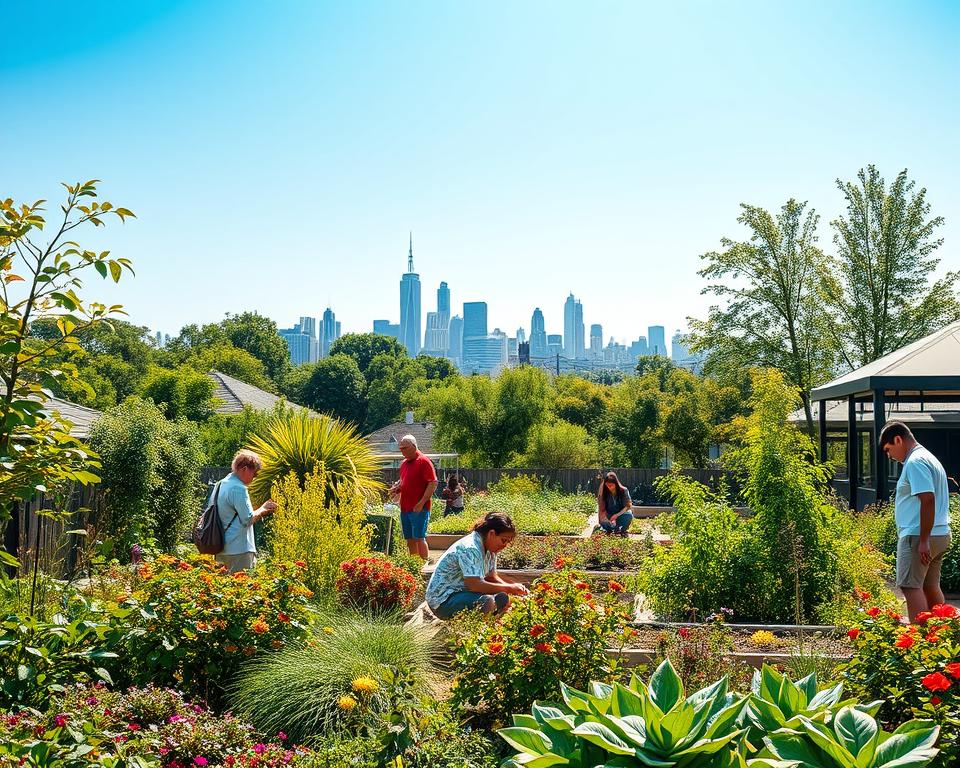
It’s important to find a balance between growing cities and keeping nature safe. We can do this by adding green areas to cities. Parks, green roofs, and paths help animals and make cities cooler and cleaner.
A study by Statistics Canada shows green spaces make cities better for people and animals. For more on green spaces, check out Statistics Canada.
Green Spaces and Their Importance
Green areas are key to keeping cities healthy. They offer many benefits, like:
- Home for city animals
- Cleaner air by reducing pollution
- Less heat in cities
- More fun places for people
By focusing on green spaces, cities can be more eco-friendly. This helps keep nature in balance.
The Importance of Water Management
Managing water resources well is key to keeping ecosystems healthy. It’s not just about saving water. It’s about keeping our ecosystems in balance. Healthy waterways are vital for supporting life and providing many services.
Healthy Waterways and Ecosystem Health
Healthy waterways are the heart of a thriving ecosystem. They support many plants and animals, help control the water cycle, and keep water clean. When waterways get polluted or damaged, it hurts the ecosystem a lot.
The state of our waterways directly impacts the overall health of our ecosystems. Pollution, invasive species, and climate change are big threats. By tackling these issues, we can keep our ecosystems balanced.
“The water you use is a reflection of the world you want to live in.” This quote shows how important water management is for a sustainable future.
My Favorite Water-Saving Techniques
I’ve learned many water-saving tips that have cut down my water use. These tips have also helped my local ecosystem. Some of my top methods include:
- Installing low-flow fixtures and appliances
- Implementing rainwater harvesting systems
- Using drought-resistant plants in my garden
- Optimizing my irrigation schedule based on weather forecasts
These practices have greatly reduced my water use. For example, using drought-resistant plants means I don’t have to water as often. This saves water and helps local wildlife.
| Water-Saving Technique | Water Savings | Ecosystem Benefit |
|---|---|---|
| Low-Flow Fixtures | Up to 50% reduction | Reduced strain on local water resources |
| Rainwater Harvesting | Significant reduction | Decreased stormwater runoff |
| Drought-Resistant Plants | Moderate reduction | Supports local biodiversity |
As we face climate change and ecosystem damage, good water management is more critical than ever. By using water-saving techniques and protecting our waterways, we can keep our ecosystems balanced. This ensures a healthier world for the future.
Gardening for Ecosystem Balance
Gardening is more than just making our gardens look good. It’s a way to help our ecosystems stay healthy. By choosing the right plants and practices, we can make a big difference in our local ecosystems.
Creating a Pollinator-Friendly Garden
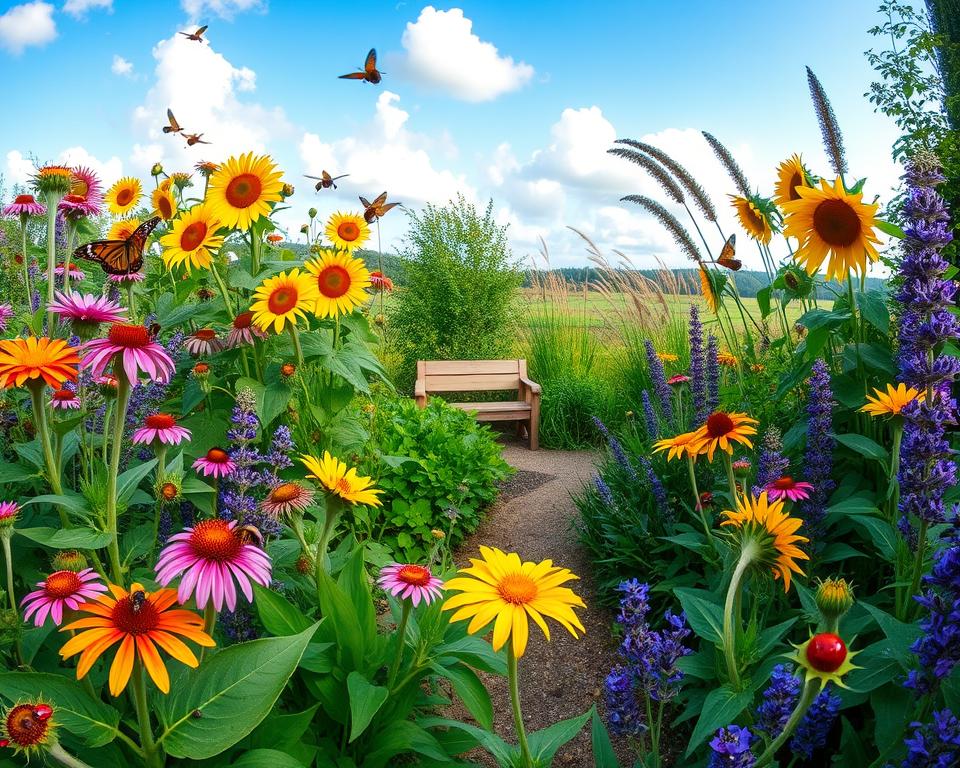
One key way to help our ecosystems is by making our gardens welcoming to pollinators. We can do this by planting flowers that bees and butterflies love. Sunflowers, lavender, and coneflowers are great choices because they offer lots of nectar and pollen.
- Plant a variety of flowers that bloom at different times to keep pollinators fed.
- Don’t use harmful pesticides. Instead, choose organic gardening methods that are better for the environment.
- Include native plants and leave some areas of your garden a bit messy to give pollinators places to hide.
The Use of Organic Gardening Practices
Using organic gardening methods is key to keeping our ecosystems in balance. By avoiding harmful chemicals, we protect our soil and help keep pollution down. Organic gardening also supports beneficial insects and microorganisms, which are essential for a healthy ecosystem.
| Organic Practice | Benefit |
|---|---|
| Composting | Improves soil health and structure |
| Crop Rotation | Helps prevent soil depletion and promotes nutrient cycling |
| Natural Pest Control | Protects beneficial insects and reduces chemical use |
By using these organic gardening methods, we not only make our gardens healthier. We also help achieve a better balance in our ecosystems. As gardeners, we have the power to positively impact our environment, one garden at a time.
Education and Awareness for Ecosystem Balance
Ecological stability is not just a concept; it’s a necessity that requires our immediate attention and education. As we navigate the complexities of environmental equilibrium, it’s key to understand the role of education and awareness. These are vital for maintaining a balanced ecosystem.
By educating ourselves and others, we can better appreciate the complex relationships within ecosystems. We also learn how human activities affect the environment. This knowledge empowers us to make informed decisions that support ecological stability.
How I Spread Awareness in My Community
In my community, I strive to spread awareness about the importance of environmental equilibrium. I do this through various initiatives. One effective method is organizing local workshops on sustainable practices and their benefits for ecological stability.
I also engage with local schools to integrate environmental education into their curricula. This ensures that the next generation understands the value of maintaining a balanced ecosystem.
Further, I use social media platforms to share informative content and personal experiences related to ecological stability. This reaches a wider audience and encourages community involvement.
Resources for Learning More
For those interested in learning more about ecosystem balance, there are many resources available. Books, documentaries, and online courses offer a wealth of information on environmental equilibrium and ecological stability.
Some recommended resources include environmental blogs, scientific journals, and websites dedicated to conservation efforts. These resources provide insights into the latest research and initiatives aimed at preserving ecological stability.
| Resource Type | Examples | Benefits |
|---|---|---|
| Books | “The Uninhabitable Earth” by David Wallace-Wells, “Silent Spring” by Rachel Carson | In-depth analysis of environmental issues |
| Documentaries | “An Inconvenient Truth”, “Planet Earth” | Visual storytelling and real-world examples |
| Online Courses | Coursera’s “Biodiversity Conservation” course, edX’s “Environmental Science” course | Structured learning and expert insights |
By leveraging these resources and continuing to spread awareness, we can work together towards achieving and maintaining environmental equilibrium and ecological stability.
My Personal Efforts Toward Ecosystem Balance
Reflecting on my journey, I’ve learned how vital personal efforts are for a sustainable ecosystem. I’ve made lifestyle changes and started initiatives to help our local environment. This has made a big difference.
Volunteering for Local Conservation
Volunteering for local conservation projects has been incredibly rewarding. These efforts protect and restore natural habitats. They also bring people together, creating a sense of community.
Through volunteering, I’ve learned about the importance of our ecosystem. I’ve seen how human actions affect the environment. Activities like habitat restoration and wildlife monitoring are key to keeping our ecosystems healthy.
Reducing My Carbon Footprint
I’ve also worked on reducing my carbon footprint. Simple actions like using public transport and reducing energy use make a big difference. I’ve chosen products with less packaging and bought local goods.
These changes have not only helped the environment but have also taught me to live more sustainably. It’s a journey that needs ongoing effort but is essential for a sustainable ecosystem and natural equilibrium.
As I keep working towards a better future, I’m inspired by the power of individual actions. I hope to inspire others to join in and help achieve ecosystem balance.
Future Trends in Ecosystem Management
Maintaining ecological balance will need new ways to manage ecosystems. Technology and sustainability are key to making ecosystems more resilient.
Emerging Innovations
Drones and satellite imaging are changing how we manage ecosystems. They help us see changes in ecosystem health and act fast to threats. This keeps ecosystems balanced.
Community-Driven Conservation
Local communities are also important in ecosystem management. They help by taking care of their ecosystems. This creates a sense of responsibility and leads to better management.
By using these new trends and innovations, we can make ecosystems more resilient. They will be better prepared for climate change and human activities.