

Did you know using probiotic cultures daily can boost your health? I’ve dived into the world of Live Bacteria Starters and I’m eager to share what I’ve learned.
In this guide, I’ll show you the perks of probiotic cultures. I’ll also give you advice on picking the best Live Bacteria Starters for you.
This guide is for everyone, whether you’re new to fermenting or a pro. It’s here to help you get the most out of these helpful microbes.
Key Takeaways
- Understand the benefits of using probiotic cultures
- Learn how to choose the right Live Bacteria Starters
- Discover tips for effectively using probiotic cultures
- Explore the different types of probiotic cultures available
- Get started with incorporating Live Bacteria Starters into your daily routine
What Are Live Bacteria Starters?
Live bacteria starters are tiny organisms that start the fermentation process. They turn raw ingredients into tasty and healthy foods. These starters are key to many fermented foods, adding unique flavors and nutrients.
Definition of Live Bacteria Starters
Live bacteria starters are cultures of good bacteria like Lactobacillus and Bifidobacterium. They ferment foods, breaking down sugars and making lactic acid. This makes food last longer and taste better.
Food experts say, “Using live bacteria starters in food is a traditional method that’s come back in style. It’s good for our health.”
“The gut microbiome is vital for our health. Eating fermented foods with live bacteria starters helps keep our gut bacteria balanced.”
Types of Live Bacteria Starters
There are many types of live bacteria starters, each for different fermentations. Some common ones are:
- Mesophilic starters, for foods fermented at moderate temperatures.
- Thermophilic starters, for foods fermented at high temperatures.
- Specialty starters, for specific foods like yogurt or cheese.
| Type of Starter | Application | Fermentation Temperature |
|---|---|---|
| Mesophilic | Cheese, Buttermilk | Moderate (around 70°F) |
| Thermophilic | Yogurt, Certain Cheeses | High (around 110°F) |
| Specialty | Specific Fermented Foods | Varies |
Common Uses in Food Production
Live bacteria starters are in many foods, like yogurt, cheese, sauerkraut, kimchi, and kefir. These foods are tasty and good for you because of their healthy bacteria.
I’ve seen how adding fermented foods to my diet improved my digestion. They also add great flavors and textures to meals.
In summary, live bacteria starters are essential for fermented foods. They make these foods taste better, be more nutritious, and offer health benefits. Knowing about different starters helps us enjoy a variety of fermented foods that are good for our gut health.
The Benefits of Using Live Bacteria Starters
Using live bacteria starters can change how we make food. They help us create tasty and healthy products. This is thanks to the natural agents they contain.
Enhancing Flavor and Texture
Live bacteria starters make food taste better and feel nicer. They help create complex flavors and textures. This makes fermented foods more fun to eat.
For example, they make yogurt creamier and tangier. Many people love this taste.
Improving Nutritional Value
Adding live bacteria starters to food can make it healthier. These microorganisms help our bodies absorb nutrients better. This is good for our health.
Also, some starters make vitamins and other good stuff during fermentation. This boosts the food’s nutritional value even more.
Promoting Digestive Health
Live bacteria starters are great for our stomachs. They keep our gut healthy, which is key for digestion. A healthy gut means a strong immune system.
Eating foods made with these starters is a tasty way to keep our gut healthy. It’s a win-win for our health and taste buds.
How to Choose the Right Live Bacteria Starter
Choosing the right live bacteria starter can be tricky. There are many options out there. It’s important to think about microbial diversity when making your choice.
Factors to Consider
When picking a live bacteria starter, think about a few things. First, what do you want to use it for? Is it for yogurt, cheese, or something else? The microbial diversity matters a lot. It affects the taste, texture, and health benefits of your product.
Also, make sure the starter fits your needs. Look at its temperature tolerance and how well it does in your environment. If you’re looking for gut health supplements, find a starter that matches your health goals.
| Factor | Description | Importance Level |
|---|---|---|
| Microbial Diversity | Influences flavor, texture, and nutritional value | High |
| Application Specificity | Ensures suitability for the intended fermented product | High |
| Temperature Tolerance | Affects the starter’s viability in different environments | Medium |
Popular Brands to Explore
Many trusted brands offer quality live bacteria starters. Look for brands with a variety of strains and strong cultures. Make sure they’re open about their ingredients and how they make their products.
Reading Labels and Ingredients
It’s key to know how to read labels when picking a live bacteria starter. Look for details on the strains, their strength, and any extra ingredients. This knowledge helps you choose the best starter for your needs, whether it’s for gut health supplements or other uses.
By thinking about these points and knowing what’s out there, you can pick the right live bacteria starter for you.
Preparing for Fermentation Using Live Bacteria
To succeed in fermentation, you need to prepare the right environment. It’s important to know about probiotic cultures. Fermentation needs the perfect conditions and tools.
Necessary Equipment and Supplies
First, gather all the needed tools and supplies. You’ll need:
- Clean glass jars or containers with lids
- Cheesecloth or breathable cloth
- Rubber bands to secure the cloth
- A cool, dark place for fermentation
- Measuring cups and spoons
- A thermometer to monitor temperature
Having the right tools is key. Clean equipment stops contamination. For more on starter cultures, check out Fermenting for Foodies.
Step-by-Step Preparation Guide
With your tools ready, follow these steps:
- Prepare your ingredients: Make sure your veggies or ingredients are fresh and clean.
- Create a brine: Mix salt and water to make a brine. It should be salty but not too much.
- Pack the ingredients into the container: Put your ingredients in the jar, leaving space for brine and expansion.
- Add the brine: Pour the brine over the ingredients, covering them completely.
- Cover the container: Use cheesecloth or cloth with a rubber band to cover the jar. This lets gases out but keeps dust in.
- Place in a suitable environment: Put the jar in a cool, dark spot with a steady temperature. Keep an eye on the temperature.
By following these steps and using the right tools, you’re ready for fermentation. Knowing about probiotic cultures is key. They make your products tasty and full of good bacteria.
Step-by-Step Guide to Using Live Bacteria Starters
Using live bacteria starters is easy and can make your fermented foods better. Just follow a few steps to boost healthy gut bacteria and improve your health.
Initial Mixing Instructions
To start, mix the live bacteria starter with the right medium, like milk or brine. Make sure to follow the starter culture’s instructions for the right amount and how to mix it.
- Ensure all equipment is sanitized to prevent contamination.
- Use the recommended amount of starter culture for the quantity of food you’re fermenting.
- Mix thoroughly to distribute the starter culture evenly.
Fermentation Process Overview
The fermentation process helps the bacteria grow and multiply. It involves keeping the right temperature and letting it ferment for a certain time.
- Temperature control: Most fermentations happen between 68°F to 72°F (20°C to 22°C).
- Time: The time needed can range from a few days to weeks, based on the type of fermentation.
- Monitoring: Check regularly for signs of fermentation, like bubbles or a tangy taste.
Signs of Successful Fermentation
Signs of successful fermentation include:
- A tangy or sour taste, depending on the fermented food.
- Bubbles or foam, showing carbon dioxide production.
- A change in texture or appearance, like thickening or curdling in yogurt or cheese.
By spotting these signs, you know when your fermented foods are ready. Enjoy the health benefits of healthy gut bacteria.
Troubleshooting Common Issues
Troubleshooting is key when working with live bacteria starters. It helps you solve problems and get successful fermentation. Knowing the issues that can happen during fermentation is important.
Identifying Problems with Fermentation
Several problems can happen during fermentation, such as:
- Slow or stalled fermentation
- Off-flavors or unpleasant odors
- Contamination by unwanted microorganisms
- Inconsistent texture or appearance
To spot the problem, watch the fermentation closely. Look for signs of natural fermentation. A healthy process smells tangy and feels bubbly.
Solutions to Common Problems
After finding the problem, you can fix it. Here are some common fixes:
- Slow or stalled fermentation: Make sure the temperature is right for the starter. Adding a bit of sugar or nutrients can help.
- Off-flavors or unpleasant odors: Make sure everything is clean and sanitized. If it’s not better, try a new recipe or starter.
- Contamination by unwanted microorganisms: Sterilize all equipment well. Use a clean bench or area to avoid contamination.
Knowing common problems and how to solve them helps you work well with live bacteria starters. You’ll get the results you want.
How to Store and Maintain Live Bacteria Starters
To get the most out of live bacteria starters, it’s key to know how to store and keep them. Keeping them right is vital for the microbial diversity inside. This affects their work in fermentation and as gut health supplements.
Proper Storage Techniques
Live bacteria starters need a cool, dry spot, away from sunlight. The best storage temperature depends on the starter type. Usually, the fridge is best.
It’s also vital to follow the maker’s storage tips. Some starters need freezing or the fridge to stay alive. Always look at the packaging for these details.
Shelf Life Guidelines
The shelf life of live bacteria starters varies. It depends on storage, packaging, and the microbes inside. When stored right, they can last months.
But, always check the “best by” date on the packaging. This ensures you use the starter when it’s most effective.
Here are some tips to extend shelf life:
- Use airtight containers to keep out air and contaminants.
- Avoid strong-smelling foods near the starters to prevent odor transfer.
- Check the storage temperature often to keep it steady.
By following these tips and understanding the value of microbial diversity, your live bacteria starters will stay effective. They’ll help with your fermentation projects or health supplements.
Delicious Recipes Using Live Bacteria Starters
Live Bacteria Starters have become a key part of my cooking. They add flavor, texture, and nutrition to my dishes. Whether you’re a pro in the kitchen or just starting out, these starters can make your food better.
Fermented Vegetables Ideas
Fermenting veggies is a great way to keep nutrients and add a tangy taste. I love making sauerkraut with cabbage and caraway seeds and kimchi with radish and cucumber. These foods are tasty and good for your gut.
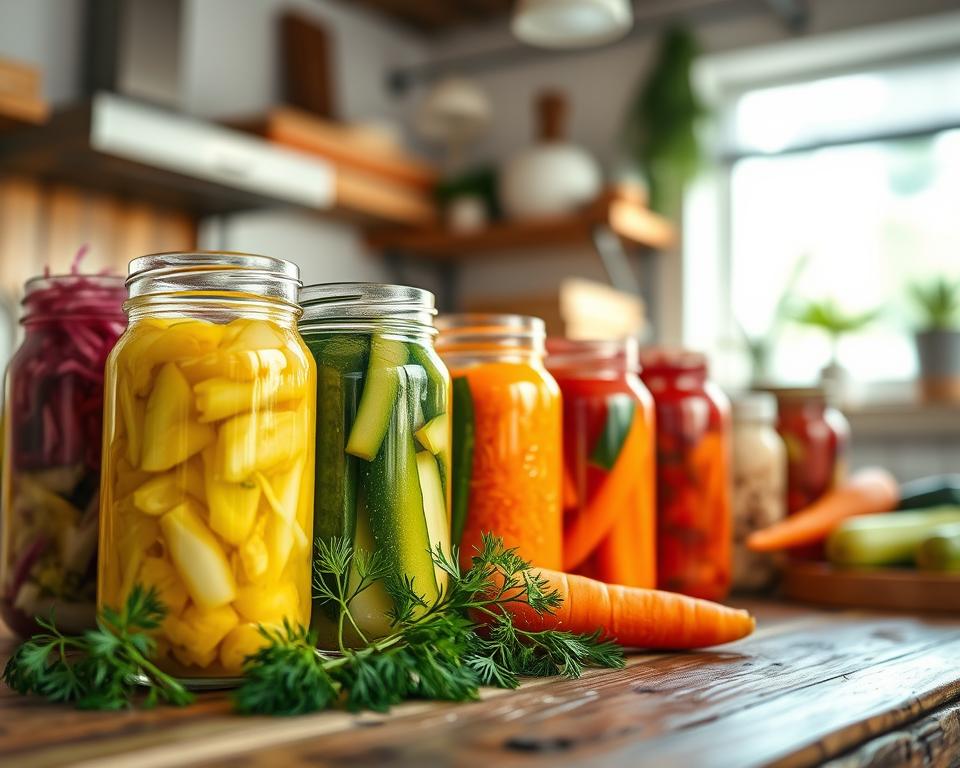
To start, mix your veggies with Live Bacteria Starter, salt, and spices. Let it ferment for a few days. You’ll get a crunchy, tasty side dish.
Homemade Yogurt Recipe
Making yogurt at home is easy and rewarding. Use a Live Bacteria Starter to make probiotic-rich yogurt. Start with good milk and follow the package instructions. Wait until it thickens, and you’ll have a healthy snack.
Homemade yogurt lets you control the ingredients and sweetness. Add your favorite fruits or honey for a tasty treat any time.
Creative Uses in Baking
Live Bacteria Starters can also make baking healthier. They add probiotics to bread, cakes, and pastries. This makes baked goods better for those with sensitive stomachs.
- Try adding a Live Bacteria Starter to your sourdough bread recipe for an extra boost of flavor and nutrition.
- Experiment with using yogurt made with Live Bacteria Starters in place of regular yogurt or milk in your favorite recipes.
Conclusion: My Journey with Live Bacteria Starters
Reflecting on my time with Live Bacteria Starters, I see their amazing benefits. They make fermented foods taste better and are good for our health. These microorganisms have changed how we can make food healthier and tastier.
Lessons Learned
I’ve learned it’s key to pick the right Live Bacteria Starter for each project. They help with digestion and make yummy fermented veggies and yogurt. Their uses are endless.
Starting Your Own Journey
If you’re new to fermented foods and probiotics, start with Live Bacteria Starters. With some tips and practice, you can discover their full benefits. Enjoy the tasty and healthy foods they help create.