
Imagine having a thriving aquarium with little upkeep. Over 10 million households in the United States already enjoy aquariums. With the Walstad Method, you can make a stunning natural planted tank that will impress all.
I’ve seen the benefits of this method myself. It creates a balanced ecosystem in the tank. This means you need less equipment and change the water less often.
The Walstad Method aims to make a natural environment. This lets you enjoy a lively underwater world. In this guide, I’ll show you how to set up your own Walstad Method aquarium step by step.
Key Takeaways
- Create a thriving aquarium with minimal maintenance
- Understand the principles of the Walstad Method
- Set up a natural planted tank that is both beautiful and balanced
- Reduce the need for complex equipment and frequent water changes
- Enjoy a stunning underwater world in the comfort of your own home
What is the Walstad Method?
The Walstad Method was created by Diana Walstad. It’s a sustainable way to keep a aquarium healthy. It aims to balance the tank’s ecosystem, reducing the need for constant water changes and complex filters.
Learning about the Walstad Method’s origins and key principles helps aquarists understand its philosophy.
The Origins of the Walstad Method
Diana Walstad developed the Walstad Method through her research and aquarium experiments. She wanted to create a natural, self-sustaining space for aquatic life. Her work highlighted the role of aquarium plants in keeping water clean and supporting a healthy ecosystem.
Key Principles of the Walstad Method
The Walstad Method focuses on a few main ideas. It uses a substrate that helps plants grow, picks the right aquarium plants, and balances plants and fish. This way, aquarists can have a sustainable aquarium that needs less care.
A key part is to let the aquarium find its own balance. This method cuts down on water changes and makes a stable home for fish and plants.
Benefits of the Walstad Method for Aquarists
Adopting the Walstad Method lets aquarists have a thriving underwater garden with little effort. This method creates a balanced ecosystem. It makes care easier and keeps the environment healthy for fish and plants.
Low Maintenance Requirements
The Walstad Method is great because it needs very little upkeep. It makes your aquarium self-sustaining, so you change water less often. Diane Walstad says in her guide, “A well-established aquarium can thrive with minimal intervention.” This means you can enjoy your garden without always having to adjust things.
Natural Ecosystem Balance
The Walstad Method helps create a natural ecosystem balance. It uses the interactions between plants, fish, and microorganisms. This balance is key for keeping water quality high and all aquatic life healthy. For more on setting up a Walstad Method tank, check out this guide. It offers detailed tips for a thriving aquarium.
Cost-Effective Setup
The Walstad Method is also cost-effective. It saves money by needing less expensive equipment and supplies. This means you can have a beautiful aquarium without spending a lot. The initial costs are low, and you save money in the long run.
Setting Up My Aquarium Using the Walstad Method
The Walstad Method is a unique way to create an aquarium. It focuses on a low-tech approach to a thriving aquatic ecosystem. This method has been rewarding and educational for me.
Choosing the Right Tank Size
Choosing the right tank size was my first decision. The tank size depends on the space and the aquatic life I wanted. A bigger tank means more stable water but needs more space and resources.
For beginners, a tank size between 20 to 55 gallons is best. It balances stability and manageability. Also, consider the tank’s dimensions. A longer tank gives more space for plants to grow.
Selecting Substrate and Plants
Choosing the right substrate and plants is key for a thriving ecosystem. The substrate is the base for plant growth. I picked a nutrient-rich substrate for my plants.
I selected plants that fit the Walstad Method. Java Moss, Anubias, and Cryptocorynes are good choices. They are hardy and grow well in low-tech conditions.
Initial Setup Steps
The initial setup had several important steps. First, I rinsed the substrate and added it to the tank. Then, I planted my chosen plants, leaving space for growth.
After planting, I filled the tank with water carefully. I added beneficial bacteria to help the ecosystem. Lastly, I added decorations like driftwood and rocks for a natural look.
I focused on creating a balanced ecosystem during setup. This supports the health of my plants and fish. The Walstad Method has helped me create a thriving low-tech tank that’s a joy to care for.
Essential Plants for a Walstad Aquarium
In a Walstad aquarium, plants are key. They keep the water clean, give fish a place to hide, and make the environment feel natural. Choosing the right plants is important for a healthy ecosystem.
Fast-Growing Plants to Consider
Fast-growing plants are a must for a Walstad aquarium. They soak up extra nutrients, keep the environment stable, and fight algae. Ceratophyllum demersum (Hornwort) and Myriophyllum aquaticum (Parrot’s Feather) are great picks. They also make the aquarium look good.
Hardy Plants for Beginners
If you’re new to the Walstad Method, start with hardy plants. Anubias barteri and Java Moss are perfect for beginners. They’re tough, easy to care for, and can handle different water conditions.
Plant Placement Tips
Where you put your plants matters a lot. Put tall plants in the back and use shorter ones and mosses for the front. Make sure there’s room for fish to swim. Arranging plants well makes your aquarium look great and work well.
By mixing fast-growing and hardy plants and thinking about where to put them, you can make a beautiful and healthy Walstad aquarium.
Water Quality in the Walstad Method
In my experience with the Walstad Method, good water quality is key for a thriving underwater ecosystem. This method uses natural processes to keep water conditions optimal. This is vital for the health of aquatic life.
Understanding natural filtration is important for water quality. It helps us create a sustainable aquarium that needs less care.
Importance of Natural Filtration
Natural filtration in a Walstad Method aquarium uses plants and substrate to clean the water. Plants take in nutrients and waste, keeping the water clean. This method also reduces the need for mechanical filters, making the environment more natural for fish and other organisms.
The benefits of natural filtration include:
- Reduced maintenance: With natural filtration, there’s less need for frequent water changes and filter cleaning.
- Improved water quality: Plants and beneficial bacteria work together to break down waste, resulting in cleaner water.
- A more natural ecosystem: By mimicking natural processes, we create a balanced and thriving environment for aquatic life.
Testing and Maintaining Water Parameters
Regularly testing water parameters is essential for a healthy aquarium. Key parameters to monitor include pH, ammonia, nitrite, and nitrate levels. By tracking these, we can spot issues early and make necessary adjustments.
Some tips for testing and maintaining water parameters include:
- Use a reliable water test kit to monitor key parameters.
- Perform regular water changes (about 10-20% every week) to maintain optimal water quality.
- Monitor plant health, as they play a critical role in maintaining water quality.
By combining natural filtration with regular water testing, we can create a thriving underwater gardening environment. It’s both beautiful and sustainable.
Fish Compatibility with the Walstad Method
Choosing the right fish for a Walstad setup is key for a balanced ecosystem aquarium. The Walstad Method aims for a peaceful mix of plants and fish.
When picking fish for my Walstad tank, I look at a few important things. I want a low-tech planted tank that’s easy to care for.
Ideal Fish Species for My Setup
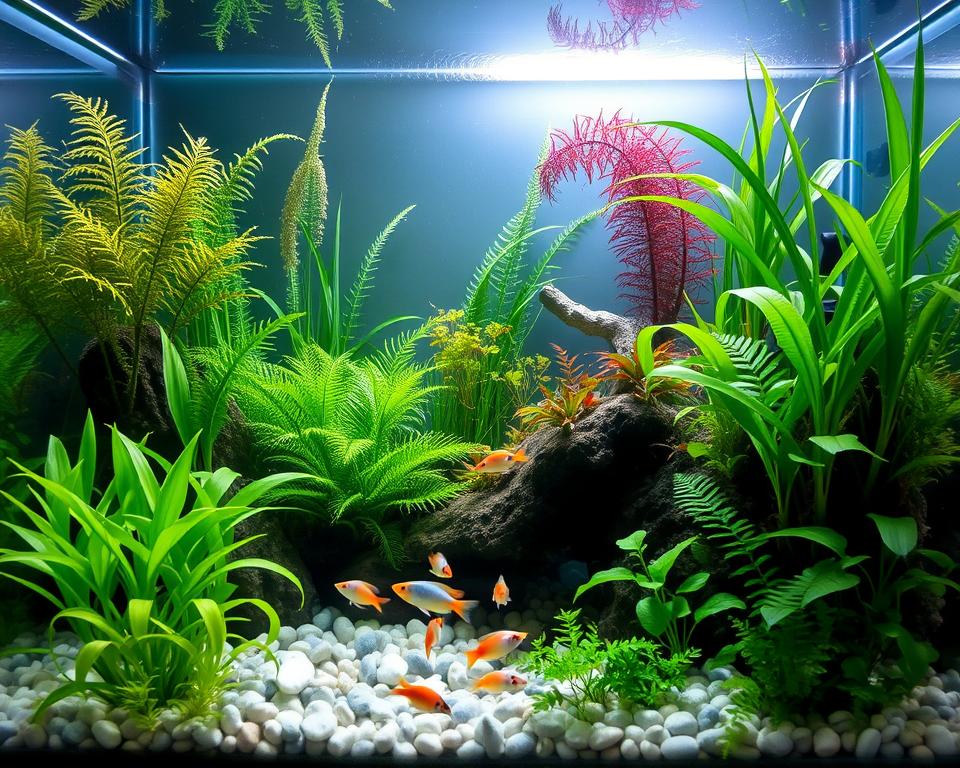
Some fish are perfect for a Walstad Method tank. Here are a few good ones:
- Small, peaceful community fish like Neon Tetras and Harlequin Rasboras
- Hardy, slow-moving fish such as Corydoras Catfish
- Small, schooling fish like Zebra Danios
These fish fit well with the Walstad Method and make the tank look great.
Tips for Introducing Fish to the Tank
Adding fish to a new tank can be tough for both the fish and the person doing it. To make it easier, I follow these steps:
- Acclimate the fish slowly to the tank water by floating the unopened bag in the tank for 15-20 minutes.
- Gradually add small amounts of tank water to the bag over the next 30 minutes.
- Release the fish into the tank, watching their behavior and making changes if needed.
By picking the right fish and introducing them carefully, I keep my tank thriving. It shows off the beauty of the Walstad Method.
Common Challenges in the Walstad Method
Keeping a Walstad Method aquarium healthy requires knowing how to handle common problems. Even though this method is easy to care for, issues like algae and dead plants can happen.
Algae Growth and Prevention
Algae is a big problem in many aquariums, including those using the Walstad Method. Too much light and not enough nutrients can make algae grow too much. It’s important to find the right balance between light and nutrients.
Here are some ways to fight algae:
- Change how long and how bright the light is
- Keep an eye on nutrient levels and water quality
- Add algae-fighting creatures, like snails or fish
Managing Plant Die-Off
Dead plants are another issue in Walstad Method aquariums. Not enough light, not enough nutrients, or bad water can kill plants. It’s key to watch and care for your plants regularly.
| Cause | Symptoms | Solution |
|---|---|---|
| Insufficient Lighting | Slow growth, pale leaves | Adjust lighting duration/intensity |
| Inadequate Nutrients | Yellowing leaves, stunted growth | Fertilize appropriately |
| Poor Water Quality | Wilting, rotting roots | Regular water changes, monitor parameters |
Knowing how to deal with these common problems can help keep your Walstad Method aquarium healthy. Regular checks and tweaks will keep your aquarium balanced and beautiful.
My Experience with the Walstad Method
Reflecting on the Walstad Method, I find it simple yet effective. It has made my aquarium maintenance easier and created a thriving ecosystem.
The Walstad Method helps create a balanced ecosystem. By adding various aquarium plants, I’ve kept water parameters stable. This has cut down the need for frequent water changes.
Successes I’ve Achieved
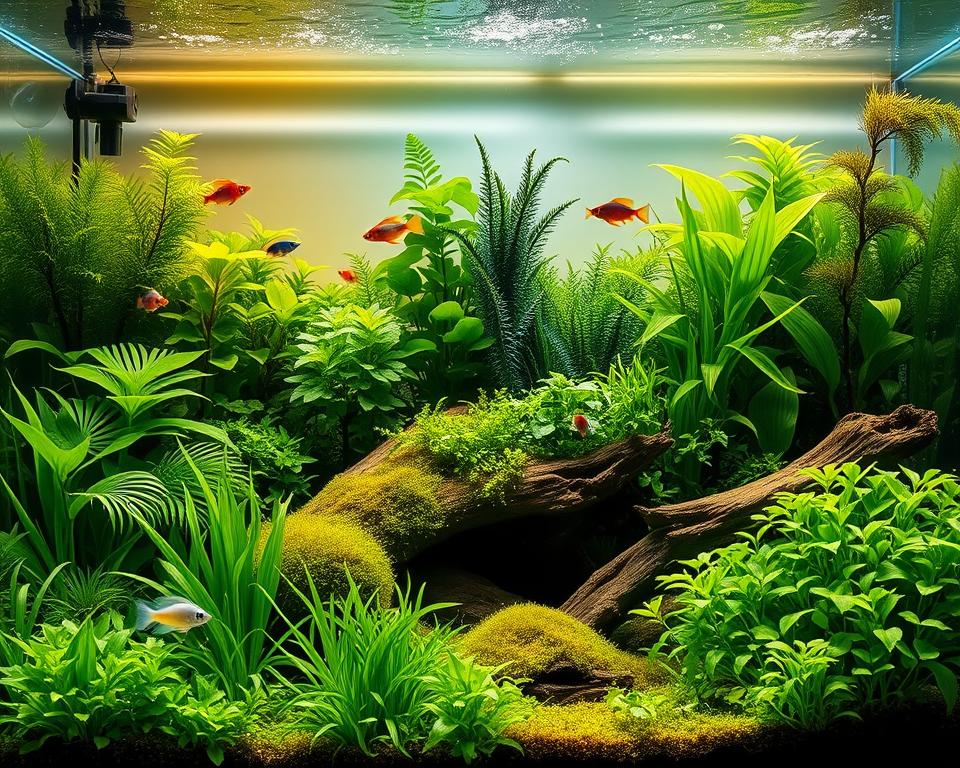
My aquarium is now a safe space for fish and plants. The natural filtration from plants has reduced algae. This has made the environment healthier for my fish.
Here are some key successes I’ve achieved with the Walstad Method:
| Aspect | Before Walstad Method | After Walstad Method |
|---|---|---|
| Water Changes | Weekly | Bi-Weekly |
| Algae Growth | Frequent | Minimal |
| Fish Health | Occasional disease | Healthy, no disease |
Lessons Learned Along the Way
The Walstad Method has been rewarding but comes with challenges. I’ve learned the value of patience and observation in a natural planted tank.
Some key lessons I’ve learned include:
- The importance of choosing the right aquarium plants for your tank size and lighting conditions.
- The need for regular monitoring of water parameters to ensure a healthy environment.
- The value of patience in allowing the ecosystem to establish itself.
By embracing the Walstad Method, I’ve not only created a beautiful aquarium. I’ve also gained a deeper understanding of the delicate balance in a natural ecosystem.
Resources for Further Learning
As I explored the Walstad Method, I found many helpful resources. I’ve listed books and online forums that greatly aided my learning. They can do the same for you.
Books on the Walstad Method
For a deeper dive into the Walstad Method, several books are excellent. “The Ecology of the Planted Aquarium” by Diana Walstad is a key text. It offers detailed insights into creating a sustainable aquarium.
- The Ecology of the Planted Aquarium by Diana Walstad
- Aquarium Plants by Christel Kasselmann
These books are full of information on underwater gardening and sustainable aquariums. They help you improve your skills and solve common problems.
Online Forums and Communities
Joining online communities is a great way to meet other aquarists. You can share knowledge and keep up with new trends in sustainable aquariums. Some top forums include:
| Forum | Description |
|---|---|
| Reddit’s r/PlantedTank | A community-driven forum with discussions on planted tanks and underwater gardening. |
| Aquatic Plant Central | A detailed resource with guides, articles, and forums focused on aquatic plants and sustainable aquariums. |
Using these resources will help you master the Walstad Method. You’ll create a stunning, thriving underwater garden.
Conclusion: Why I Love the Walstad Method
Reflecting on my journey with the Walstad Method, I see its beauty and simplicity. It lets me create a balanced ecosystem aquarium. This low-tech method makes it easy to have plants and fish live together.
By following the Walstad Method, I’ve found joy in caring for a healthy environment. It’s all about natural aquascaping, which makes my aquarium look amazing. It also means less work for me, bringing peace and happiness.
My experience shows that anyone can have a thriving aquarium with patience and effort. I invite you to try the Walstad Method. See for yourself the joy of underwater gardening.